
Iron in Food: Why Source and Absorption Both Matter
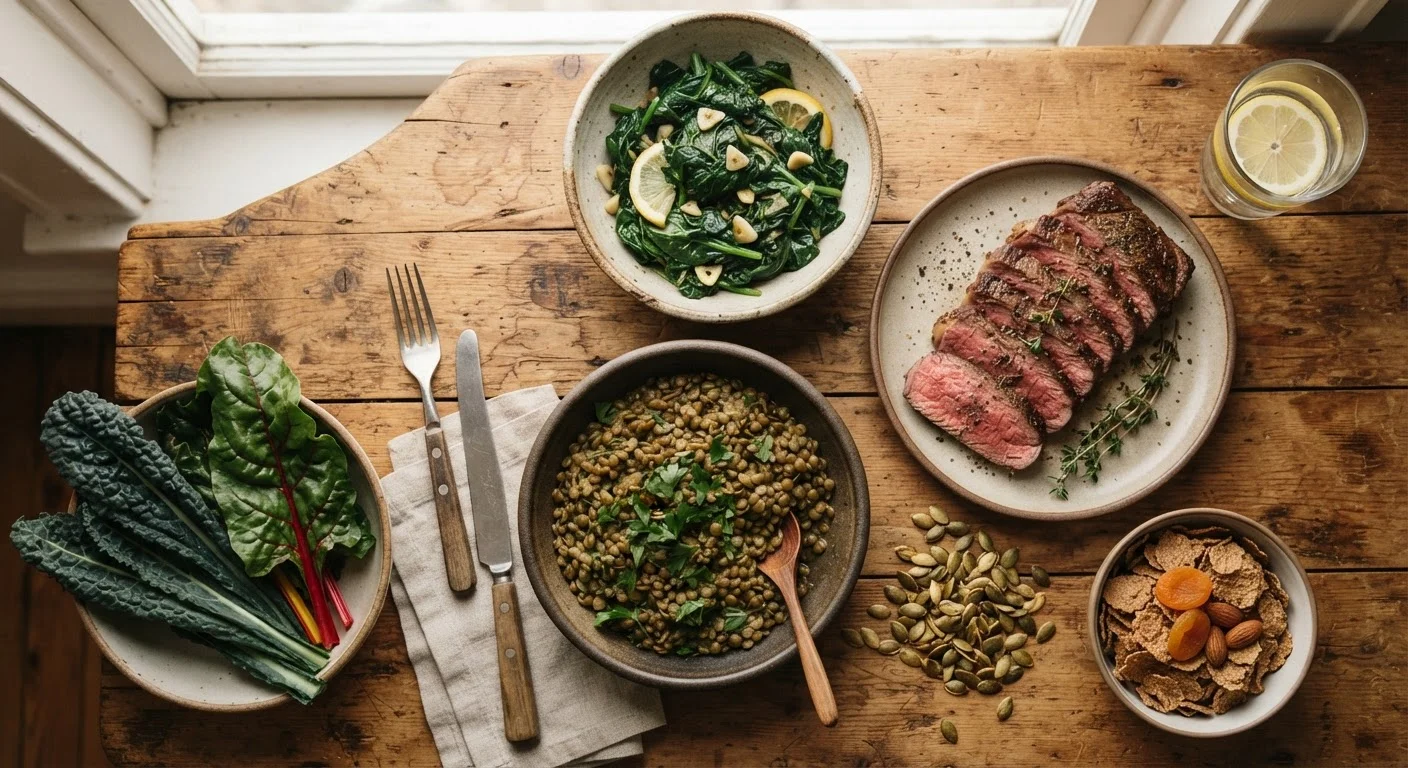
Photo credit: PrimeReads.net | Discover Insightful And Creative Blogs
In this article
Haem and non-haem iron behave very differently in the body. Understanding both helps you make sense of iron-rich food choices.
Key Takeaways
- Haem iron, found in meat and seafood, is absorbed at a higher rate than non-haem iron from plant sources.
- Non-haem iron absorption can be significantly improved by pairing plant foods with vitamin C.
- Certain compounds in food - like phytates in grains and calcium - can inhibit iron absorption.
- Iron deficiency is one of the most common nutritional deficiencies globally, according to the WHO.
- Both omnivores and people following plant-based diets can meet iron needs with strategic food choices.
- Excessive iron intake from supplements can be harmful; food sources are generally considered safe.
Two Types of Iron, Two Very Different Stories
When nutrition labels list iron content, they don't distinguish between its two fundamentally different forms - but your body certainly does. Haem iron is found exclusively in animal-derived foods, specifically bound to proteins like hemoglobin in red meat and myoglobin in muscle tissue. Non-haem iron is the form present in plant foods, fortified products, and also in some animal foods alongside haem iron.
The critical difference is how efficiently each type is absorbed. Haem iron is absorbed at rates generally estimated between 15% and 35%, and this rate isn't dramatically altered by other foods consumed at the same meal. Non-haem iron, by contrast, is absorbed at much lower baseline rates - often cited between 2% and 20% - and its uptake is highly sensitive to what else you eat alongside it.
This distinction matters practically. Two meals can deliver equal milligrams of iron on paper but result in meaningfully different amounts actually entering the bloodstream.
What Boosts Non-Haem Iron Absorption
The most well-established absorption enhancer for non-haem iron is vitamin C (ascorbic acid). Vitamin C converts ferric iron - the form found in plants - into ferrous iron, which the intestinal lining absorbs more readily. Even a modest amount of vitamin C consumed in the same meal can substantially increase non-haem iron uptake.
Pair Vitamin C With Plant-Based Iron Sources
Adding a vitamin C-rich food to any plant-based meal is one of the most evidence-backed strategies for improving non-haem iron absorption. Good options include citrus juice, tomatoes, bell peppers, broccoli, and strawberries. Aim to include them in the same meal as your iron-rich plant foods rather than at a different time of day.
Haem iron itself also acts as an enhancer. Eating a small portion of meat alongside plant-based iron sources - a practice sometimes called the "meat factor" - can improve non-haem iron absorption from the same meal. This is relevant for people who eat mixed diets and want to maximize what they get from legumes or greens.
Understanding these interactions is part of reading your overall dietary pattern critically. For a broader look at how food science findings should be interpreted, see how to read nutrition research without being misled.
Foods and Compounds That Inhibit Iron Uptake
Just as some foods help, others interfere. Phytates - naturally occurring compounds in whole grains, legumes, and seeds - bind to non-haem iron in the digestive tract and reduce how much is absorbed. Soaking, sprouting, or fermenting these foods can reduce phytate content and partially improve iron availability.
Polyphenols, found in tea, coffee, red wine, and some vegetables, similarly hinder non-haem iron absorption. Drinking black tea with a meal rich in plant-based iron can significantly cut uptake. Shifting tea or coffee consumption to between meals rather than with them is a practical adjustment for those monitoring their iron intake.
Calcium competes with iron at the absorption level in the intestine and may reduce uptake from both haem and non-haem sources when consumed in large amounts at the same meal. This doesn't mean avoiding dairy - it means being aware of meal composition, particularly for people with identified iron concerns.
These food-nutrient interactions don't operate in isolation. Whole food choices involve trade-offs, and understanding that context matters as much as ingredient lists. The distinction between whole foods and minimally processed foods is also relevant here, since processing can affect both nutrient content and bioavailability.
Putting It Into Practice
Meeting iron needs through food doesn't require rigid meal planning, but a few consistent habits make a real difference. Pairing iron-rich plant foods with a vitamin C source - lentil soup with a squeeze of lemon, a spinach salad with bell peppers, or black bean tacos with tomato salsa - leverages absorption chemistry without any complexity.
~2 billion
People affected by iron deficiency globally
The World Health Organization identifies iron deficiency as one of the most prevalent nutritional disorders worldwide.
1.8×
Higher iron intake recommended for vegetarians
The National Institutes of Health notes vegetarians may need roughly 1.8 times the iron of omnivores due to lower non-haem iron bioavailability.
15-35%
Typical haem iron absorption rate
Research consistently shows haem iron from animal sources is absorbed at significantly higher rates than non-haem iron from plant foods.
For people following predominantly plant-based diets, iron needs may be higher overall to account for lower absorption efficiency. The National Institutes of Health notes that recommended intakes for vegetarians are approximately 1.8 times higher than for omnivores. That said, careful food selection and meal composition can bridge this gap effectively.
Iron is far from the only mineral deserving attention in a balanced diet. If you're curious about nutrients that get less coverage, everyday minerals most people overlook explores magnesium, potassium, and zinc in similar depth.
This article is for general informational and educational purposes only and is not a substitute for professional medical or dietary advice. If you have concerns about your iron levels or nutritional status, consult a qualified healthcare provider.
Frequently Asked Questions

Author
Food Editorial Team
Food Editorial Team is the collective byline for our editorial team and contributor network. Articles published under this byline or an editorial pen name are researched, written, and reviewed according to our editorial standards for clarity, consistency, and independence before publication.
View all articles →