
Meal Prepping: What It Actually Involves and Whether It Suits Your Lifestyle
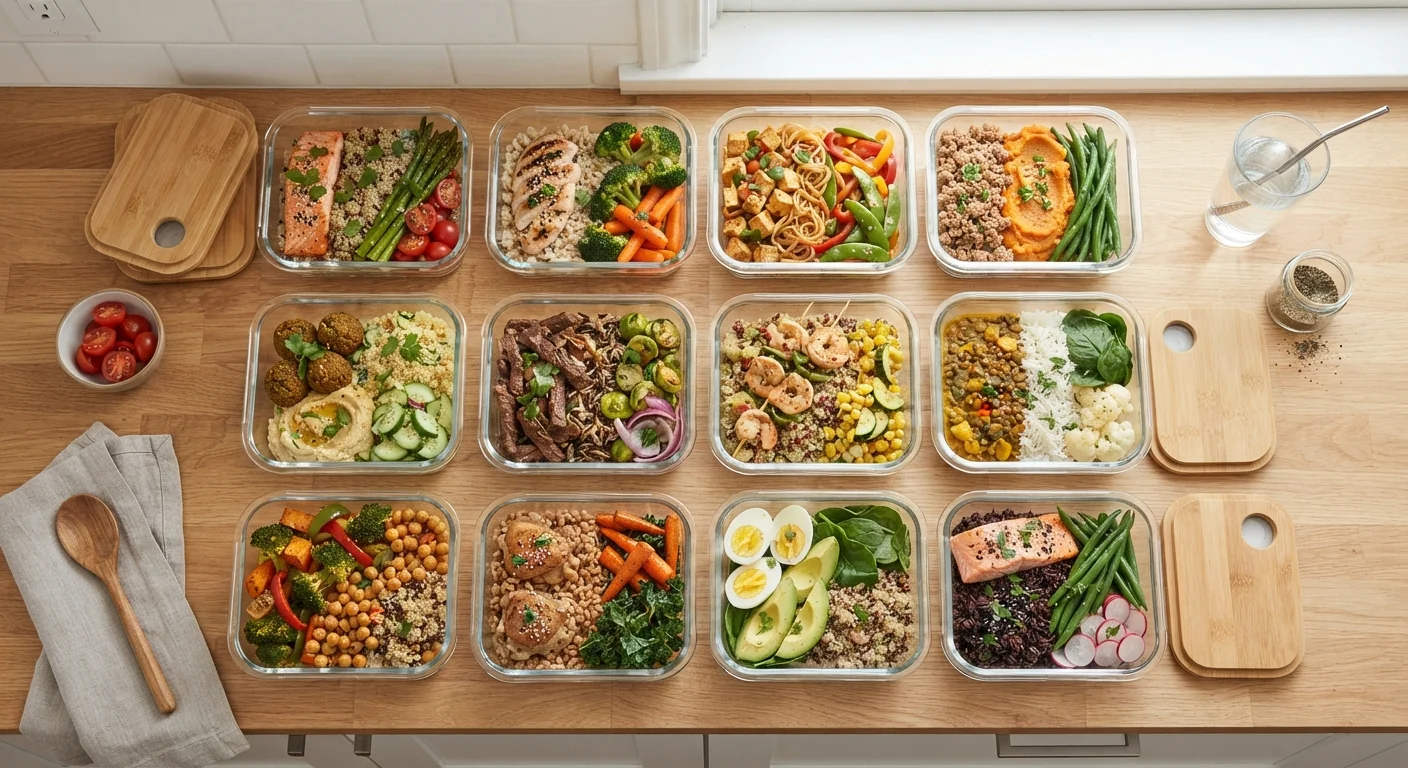
Photo credit: PrimeReads.net | Discover Insightful And Creative Blogs
In this article
Meal prep is often presented as the solution to healthy eating. Here's an honest look at its benefits, limitations, and who it genuinely works for.
Key Takeaways
- Meal prepping means preparing components or full meals in advance to reduce daily cooking time.
- Research links meal planning with improved diet quality and reduced fast-food reliance.
- Meal prep works best for people with predictable weekly schedules and consistent food preferences.
- Upfront time investment and food storage limitations are real drawbacks worth considering.
- A flexible, partial approach often works better than all-or-nothing prep sessions.
Reduces daily decision fatigue around food choices
Having meals or components ready removes the cognitive load of deciding what to eat after a long workday, when impulsive, less nutritious choices are most tempting.
Associated with better overall diet quality
Research links meal planning to higher intake of fruits, vegetables, and whole grains, and lower rates of fast-food consumption and excess caloric intake.
Can meaningfully reduce weekly food costs
Buying ingredients in bulk and planning meals around seasonal or sale items typically costs less per serving than daily grocery shopping or frequent takeout orders.
Supports consistent portion awareness
Pre-portioning meals into containers makes it easier to maintain awareness of serving sizes without the need to track or weigh food at every meal.
Reduces food waste through intentional planning
Planning meals in advance allows you to use ingredients across multiple dishes before they spoil, which is both economically and environmentally beneficial.
Significant upfront time investment required
A thorough weekly prep session typically takes two to three hours, which is a real barrier for people with limited weekend availability or competing family responsibilities.
Reduced flexibility for variable schedules
If plans change frequently - travel, social meals, or schedule shifts - prepped food may go uneaten, wasting both time and money rather than saving them.
Some nutrients degrade during refrigerated storage
Water-soluble vitamins such as vitamin C and some B vitamins diminish over several days in storage, so extended prep windows can slightly reduce the nutritional value of produce-based dishes.
Repetitive meals can lead to flavor fatigue
Eating the same prepared meal three to four days in a row may feel monotonous, increasing the temptation to abandon the plan mid-week in favor of something more appealing.
Requires adequate kitchen equipment and storage
Effective meal prep depends on having enough quality containers, refrigerator space, and kitchen tools - initial costs that not everyone is positioned to absorb comfortably.
What Meal Prepping Actually Means
Meal prepping is the practice of preparing food in advance - ranging from washing and chopping vegetables to cooking and portioning complete meals - so that eating well during a busy week requires less daily effort. It is not one fixed system. Some people batch-cook full lunches and dinners for the week. Others prep only components: a pot of grains, roasted vegetables, marinated proteins, and a sauce or two that can be mixed and matched daily.
This flexibility is important to understand from the start. Meal prep is a framework, not a rigid protocol. The extent to which it benefits you depends on how you adapt it to your own household, schedule, and food preferences. For a practical foundation on structuring your week around food, see building a healthy weekly meal routine.
The Case For Meal Prepping
The evidence supporting meal planning is reasonably strong. A 2017 study published in the International Journal of Behavioral Nutrition and Physical Activity found that people who planned their meals were more likely to have higher diet quality scores and were less likely to be obese. Planning ahead reduces the number of impulsive food decisions made when time is short or hunger is high - both conditions that tend to favor convenience over nutrition.
Reduces daily decision fatigue around food choices
Having meals or components ready removes the cognitive load of deciding what to eat after a long workday, when impulsive, less nutritious choices are most tempting.
Associated with better overall diet quality
Research links meal planning to higher intake of fruits, vegetables, and whole grains, and lower rates of fast-food consumption and excess caloric intake.
Can meaningfully reduce weekly food costs
Buying ingredients in bulk and planning meals around seasonal or sale items typically costs less per serving than daily grocery shopping or frequent takeout orders.
Supports consistent portion awareness
Pre-portioning meals into containers makes it easier to maintain awareness of serving sizes without the need to track or weigh food at every meal.
Reduces food waste through intentional planning
Planning meals in advance allows you to use ingredients across multiple dishes before they spoil, which is both economically and environmentally beneficial.
Beyond diet quality, prepping can meaningfully reduce food costs. Buying in bulk, using ingredients across multiple meals, and wasting less fresh produce are all financial advantages that compound over time. For people navigating eating well on a tight schedule, having ready-to-eat food removes the most common barrier: not having the time or energy to cook when hunger strikes.
Honest Limitations Worth Knowing
Despite its advocates, meal prepping comes with genuine friction points that are frequently glossed over in wellness content. The upfront time cost is significant - a thorough prep session can run two to three hours, which is a substantial ask on a weekend. For households where schedules shift unpredictably, prepped meals can go uneaten, negating both the time and food investment.
Significant upfront time investment required
A thorough weekly prep session typically takes two to three hours, which is a real barrier for people with limited weekend availability or competing family responsibilities.
Reduced flexibility for variable schedules
If plans change frequently - travel, social meals, or schedule shifts - prepped food may go uneaten, wasting both time and money rather than saving them.
Some nutrients degrade during refrigerated storage
Water-soluble vitamins such as vitamin C and some B vitamins diminish over several days in storage, so extended prep windows can slightly reduce the nutritional value of produce-based dishes.
Repetitive meals can lead to flavor fatigue
Eating the same prepared meal three to four days in a row may feel monotonous, increasing the temptation to abandon the plan mid-week in favor of something more appealing.
Requires adequate kitchen equipment and storage
Effective meal prep depends on having enough quality containers, refrigerator space, and kitchen tools - initial costs that not everyone is positioned to absorb comfortably.
Nutrient degradation is also worth acknowledging. While most macronutrients are stable after cooking, some water-soluble vitamins - particularly vitamin C and certain B vitamins - do degrade with prolonged storage, even under refrigeration. This doesn't make prepped meals unhealthy, but it is a reason to eat them within reasonable timeframes (generally three to four days for most cooked foods) rather than prepping a full week at once.
Safe Storage Windows for Prepped Food
The USDA recommends storing most cooked proteins, grains, and vegetables in the refrigerator for no longer than three to four days. For longer storage, freezing is a safer option than extended refrigeration. Always cool food to room temperature before sealing containers, and reheat to an internal temperature of 165°F before eating. If you have questions about food safety for specific health conditions or populations, consult a registered dietitian or your healthcare provider.
Is Meal Prepping Actually Right for You?
The honest answer is: it depends. Meal prepping tends to work well for people with consistent weekly schedules, limited cooking time on weekday evenings, and households where one or two people share similar food preferences. It is less suited to highly variable lifestyles, large families with diverse tastes, or people who find reheated food unappealing.
Higher diet quality
Linked to meal planning behavior
A 2017 study in the International Journal of Behavioral Nutrition and Physical Activity found meal planners had significantly better diet quality scores and lower obesity rates.
3-4 days
Safe refrigerated storage for most cooked foods
According to USDA food safety guidelines, most cooked proteins, grains, and vegetables remain safe to eat for three to four days when properly refrigerated.
A middle-ground approach - prepping a few key components rather than full meals - often delivers most of the benefit with less commitment. Cooked grains, roasted vegetables, and pre-portioned proteins can be combined in different ways each day, providing variety while still reducing daily cooking time. This aligns well with building broader health habits; establishing routines that actually stick requires starting with realistic targets, not perfection.
This article is for informational purposes only and is not a substitute for personalized dietary or medical advice. Consult a qualified healthcare professional or registered dietitian for guidance specific to your health needs.

Author
Food Editorial Team
Food Editorial Team is the collective byline for our editorial team and contributor network. Articles published under this byline or an editorial pen name are researched, written, and reviewed according to our editorial standards for clarity, consistency, and independence before publication.
View all articles →