
Private Sale vs. Part-Exchange: Weighing Your Options When Selling a Car
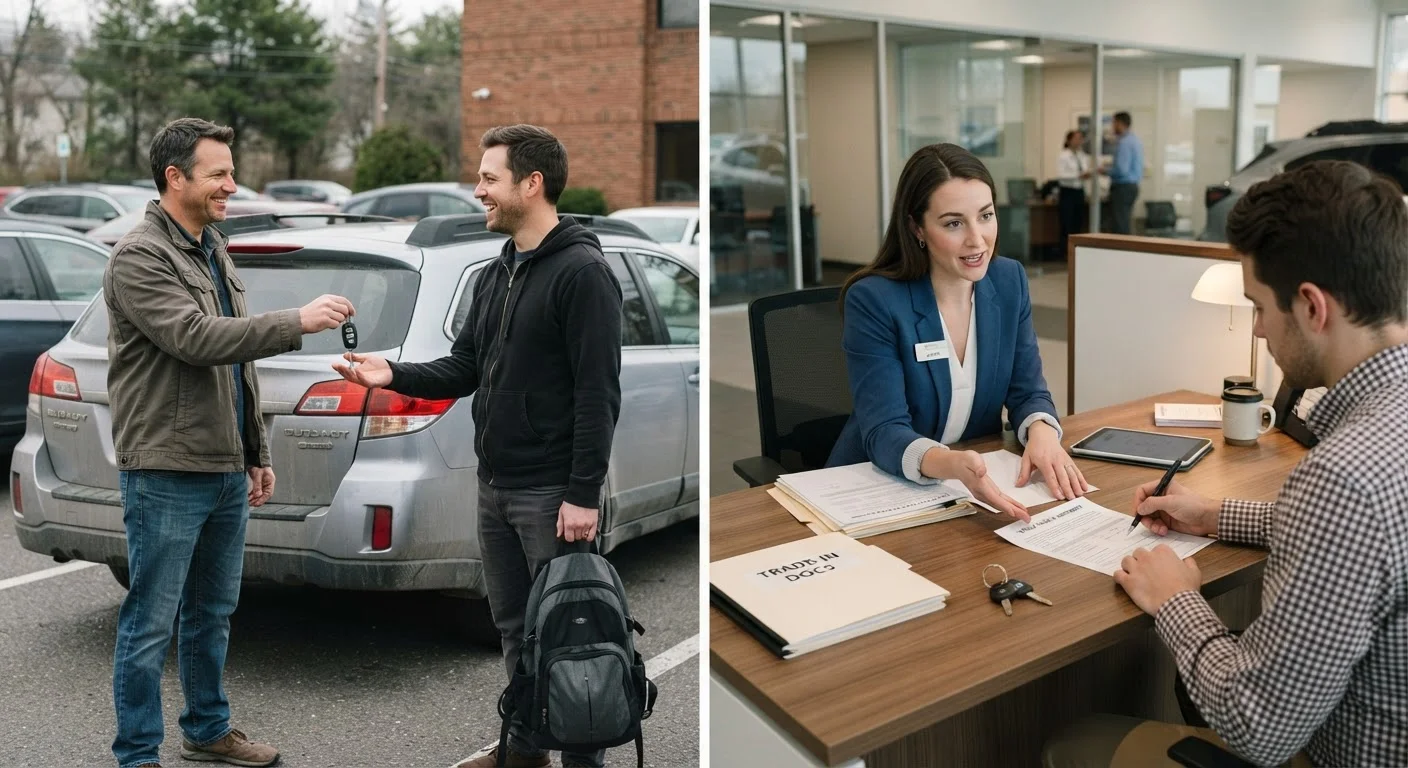
Photo credit: PrimeReads.net | Discover Insightful And Creative Blogs
In this article
Each route for selling your car involves different effort, timing, and likely return. Here's an honest look at the trade-offs between selling privately and part-exchanging.
Key Takeaways
- Private sales typically return more money but demand significantly more time and effort from the seller.
- Part-exchange offers speed and simplicity, usually at the cost of a lower payout than market value.
- Condition, urgency, and your next vehicle purchase all influence which route makes more financial sense.
- Scams and no-shows are real risks in private sales that part-exchange avoids entirely.
- Neither method is universally better - the right choice depends on your specific situation.
Higher return than most dealer trade-in offers
Private buyers pay closer to retail market value, whereas dealers factor in resale margin. The difference can be significant on vehicles with strong demand.
Full control over asking price and negotiation
You set the price, choose who you sell to, and decide what offer to accept. There's no pressure to close on a dealer's timeline.
Broader potential buyer pool through online listings
Platforms like Craigslist, Facebook Marketplace, and dedicated auto listing sites expose your vehicle to a wide audience across your region.
No obligation to buy a replacement from the same source
Unlike part-exchange, you're not tied to any dealership's inventory when selling privately - you can shop wherever makes sense for your next vehicle.
Significantly more time and active effort required
Listing, communicating with buyers, arranging viewings, and following up can consume weeks. Many sellers underestimate how demanding the process is.
Risk of scams, fraud, and payment issues
Forged cashier's checks and online payment fraud are documented risks in private vehicle sales. Verifying payments carefully is essential but adds friction.
No guaranteed sale date or buyer
A private listing can sit for weeks without a serious offer, especially for niche vehicles or in slow local markets.
Seller handles all legal and documentation steps
Title transfer, bill of sale, odometer disclosure, and release of liability are the seller's responsibility - errors can create legal exposure.
Understanding the Two Routes
When it's time to move on from a vehicle, most American car owners choose between two primary options: selling it privately to another individual, or handing it over to a dealership as part-exchange (also called a trade-in) against the price of their next car. Both are legitimate, widely used approaches - but they work very differently in practice.
A private sale means listing your vehicle, fielding inquiries, arranging viewings, negotiating with strangers, and handling the paperwork yourself. Part-exchange means letting a dealer assess your car's value and subtracting that amount from whatever you're buying next. The difference in experience between these two paths is substantial. For a broader look at how selling fits into the full picture of ownership, see our complete vehicle ownership guide.
The Case for Selling Privately
The biggest draw of a private sale is straightforward: you're likely to get more money. Dealers need to make a profit when they resell your car, so their trade-in offers are typically well below what the open market would pay. That gap can be meaningful - often hundreds, sometimes thousands of dollars depending on the vehicle's age, condition, and demand.
Higher return than most dealer trade-in offers
Private buyers pay closer to retail market value, whereas dealers factor in resale margin. The difference can be significant on vehicles with strong demand.
Full control over asking price and negotiation
You set the price, choose who you sell to, and decide what offer to accept. There's no pressure to close on a dealer's timeline.
Broader potential buyer pool through online listings
Platforms like Craigslist, Facebook Marketplace, and dedicated auto listing sites expose your vehicle to a wide audience across your region.
No obligation to buy a replacement from the same source
Unlike part-exchange, you're not tied to any dealership's inventory when selling privately - you can shop wherever makes sense for your next vehicle.
That said, the financial upside comes with real costs in time and energy. You'll need to price the vehicle accurately, write a compelling listing, photograph it well, and then manage a stream of inquiries that may include lowballers, tire-kickers, and - in some cases - outright scammers. Payment security is a genuine concern; cashier's checks can be forged, and cash transactions require care. You're also responsible for confirming the buyer has valid insurance before any test drive.
Before listing, it's worth ensuring the car presents as well as possible. Our guide on what maintenance you can reasonably handle yourself covers which checks are safe to do at home and which call for a mechanic.
The Case for Part-Exchange
Part-exchange removes nearly all of the complexity from the selling process. You bring the car in, the dealer appraises it, and the agreed value comes straight off your next purchase. No listings, no strangers, no negotiating with private buyers. If you're already planning to buy from a dealership, this convenience is hard to dismiss.
Significantly more time and active effort required
Listing, communicating with buyers, arranging viewings, and following up can consume weeks. Many sellers underestimate how demanding the process is.
Risk of scams, fraud, and payment issues
Forged cashier's checks and online payment fraud are documented risks in private vehicle sales. Verifying payments carefully is essential but adds friction.
No guaranteed sale date or buyer
A private listing can sit for weeks without a serious offer, especially for niche vehicles or in slow local markets.
Seller handles all legal and documentation steps
Title transfer, bill of sale, odometer disclosure, and release of liability are the seller's responsibility - errors can create legal exposure.
The trade-off is financial. Dealers build their profit margin into the appraisal, so the offer you receive will almost always sit below private market value. The gap varies - a vehicle in strong local demand may see a smaller spread, while older or higher-mileage vehicles may attract particularly conservative offers. It's worth getting a few independent appraisals (many dealers and online platforms provide free estimates) so you know what a fair trade-in value looks like before you walk in.
$1,000-$3,000+
Typical gap between trade-in and private sale price
Industry analysts and consumer automotive resources consistently note that private sale prices exceed dealer trade-in offers by this range on average, though the spread varies by vehicle type and local market conditions.
4-6 weeks
Average time to complete a private vehicle sale
Consumer experience reports suggest private sales of used vehicles typically take one to six weeks depending on pricing, demand, and the seller's responsiveness.
One scenario where part-exchange genuinely shines: if your vehicle is in rough shape. A private buyer will scrutinize every flaw; a dealer factors condition into their offer but still takes the car. If you're buying used through a dealer, our used car buying checklist can help you evaluate what you're getting in return.
Factors That Should Drive Your Decision
Neither route is universally superior. A few practical questions can help you decide which makes more sense for your situation:
- How much is the gap worth to you? If a private sale could net $2,000-$3,000 more but requires four to six weeks of active effort, only you can judge whether that's a fair trade for your time.
- How urgently do you need the car sold? Part-exchange can close in a single visit. Private sales have no guaranteed timeline.
- Are you buying your next car from a dealer? If yes, combining the purchase and trade-in in one transaction can simplify financing and reduce the number of moving parts you're managing.
- What condition is the vehicle in? Mechanically sound, well-documented cars do better privately. Cars with known issues may be easier to move through a dealer who prices for that reality.
- How comfortable are you with strangers? Hosting test drives, verifying identity, and handling cash safely requires a level of vigilance that not everyone finds comfortable.
Don't Skip the Independent Appraisal
Before committing to either route, get at least two or three value estimates - from dealerships offering free appraisals, and from online tools that use local market data. This gives you a realistic baseline so you can judge whether a trade-in offer is competitive or well below market. Knowing your vehicle's approximate value also strengthens your position if you do negotiate privately.

Author
Cars Editorial Team
Cars Editorial Team is the collective byline for our editorial team and contributor network. Articles published under this byline or an editorial pen name are researched, written, and reviewed according to our editorial standards for clarity, consistency, and independence before publication.
View all articles →