
Car Depreciation: What It Is and Why It Matters to Every Owner
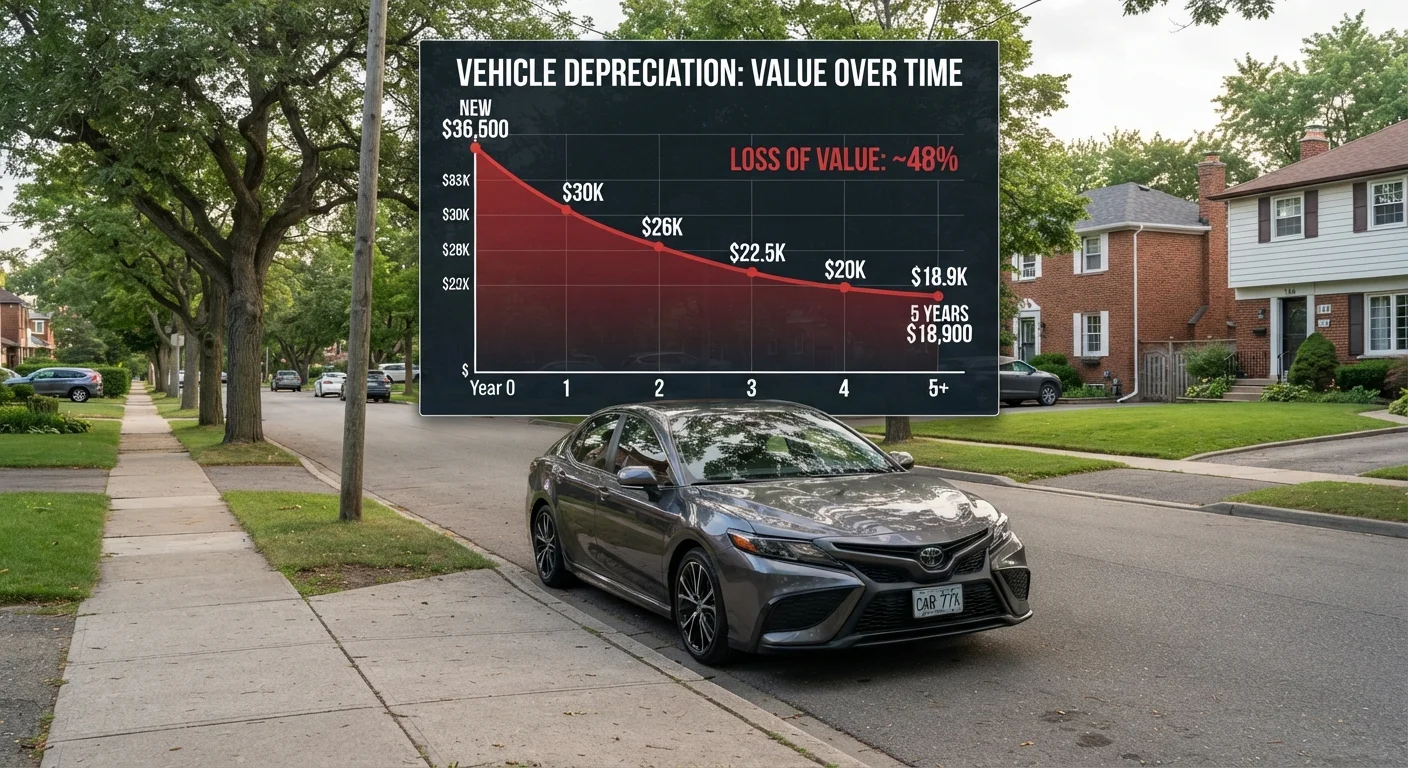
Photo credit: PrimeReads.net | Discover Insightful And Creative Blogs
In this article
Depreciation is the largest hidden cost of owning a vehicle. Learn how it works, what affects it, and how to factor it into your ownership decisions.
Key Takeaways
- A new car can lose 15-25% of its value in the first year alone.
- Depreciation is typically the largest single cost of car ownership, ahead of fuel and insurance.
- Mileage, condition, vehicle type, and market demand all influence how fast a car loses value.
- Keeping a car well-maintained can slow depreciation and improve resale value.
- Understanding depreciation helps you make smarter decisions when buying, selling, or insuring a vehicle.
How Depreciation Actually Works
When you purchase a new vehicle, its value begins declining almost immediately - not because it breaks down, but because market perception of its worth changes the moment it transitions from "new" to "used." That first-year drop is the steepest part of the curve.
After that initial decline, depreciation continues at a slower but steady pace. By year five, many vehicles have lost somewhere between 40% and 60% of their original value, depending on the model and market conditions. This gradual erosion is what makes depreciation the dominant cost in the true cost of vehicle ownership - one that most buyers underestimate at the point of purchase.
It's worth noting that depreciation is not a fee you pay out of pocket on a schedule. It's a loss of asset value - you only "realize" it when you sell, trade in, or make an insurance claim. But it's real money either way.
15-25%
Average value lost in year one
Industry estimates consistently show new vehicles lose a significant share of their value within the first 12 months of ownership.
~50%
Typical value lost after five years
Many vehicles retain roughly half their original purchase price after five years, though rates vary widely by model and market conditions.
#1
Largest cost of vehicle ownership
According to AAA's vehicle ownership cost studies, depreciation consistently ranks as the single largest annual cost for new vehicle owners.
What Drives Depreciation Rates
Not all vehicles depreciate at the same rate. Several factors influence how quickly a car loses value:
- Mileage: Higher annual mileage accelerates value loss. The market treats high-mileage vehicles as carrying more wear, even if they've been well-maintained.
- Condition: Dents, stains, mechanical issues, and a poor service history reduce resale appeal. A clean, well-documented vehicle commands a meaningfully higher price.
- Vehicle type and demand: Models with consistent consumer demand - particularly trucks and popular SUVs - tend to hold value better than low-demand or discontinued trims.
- Fuel type: Market shifts toward electric and hybrid vehicles have affected the resale values of some conventional models, while demand for EVs varies considerably by region.
- Brand reliability reputation: Vehicles from manufacturers with strong long-term reliability records tend to depreciate more slowly because buyers are willing to pay more for them on the used market.
Many first-time buyers focus heavily on the sticker price while overlooking these variables. The assumptions that catch new owners off guard often include failing to account for how quickly a specific model loses value.
Why Depreciation Matters Beyond Resale
Even if you plan to keep your car for a decade, depreciation has practical implications throughout ownership - not just at the point of sale.
Insurance payouts: If your car is totaled in an accident, your insurer pays the actual cash value - what the car was worth at that moment, not what you paid. A vehicle that has depreciated significantly may leave you with a payout that falls short of your remaining loan balance. This gap is exactly what gap insurance (guaranteed asset protection) is designed to cover.
Loan equity: Vehicles depreciate faster than most loan balances pay down, especially in the early years. This can leave owners "underwater" - owing more than the car is worth - which limits their options if they need to sell or trade in.
Total cost of ownership: Depreciation should factor into any honest comparison between buying new versus used, or between different models. A slightly cheaper car that depreciates faster may cost more over a three-year ownership period than a pricier model with stronger value retention.
How to Factor Depreciation Into Your Decisions
You can't eliminate depreciation, but you can make choices that reduce its impact on your finances.
Buy slightly used: A vehicle that's one to three years old has already absorbed the steepest part of its depreciation curve. You pay less upfront and lose less value in percentage terms during your ownership period.
Maintain the vehicle consistently: A documented service history, clean condition, and timely repairs all support resale value. Good maintenance habits benefit you both mechanically and financially when it's time to sell or trade.
Be realistic about ownership duration: The longer you keep a vehicle, the more the depreciation cost spreads out over time - but mechanical costs tend to rise as the car ages. Finding the right ownership window for your situation matters.
Research before you buy: Third-party tools publish estimated depreciation curves for specific models. Reviewing these before purchase helps you understand what you're actually committing to financially, not just the monthly payment. Separating common misconceptions from reality - as covered in our piece on car ownership myths - is a useful starting point.
This article is for general informational purposes only and does not constitute financial or legal advice. Consult a qualified financial professional for guidance specific to your situation.
Frequently Asked Questions

Author
Cars Editorial Team
Cars Editorial Team is the collective byline for our editorial team and contributor network. Articles published under this byline or an editorial pen name are researched, written, and reviewed according to our editorial standards for clarity, consistency, and independence before publication.
View all articles →