
Car Ownership Myths That Cost People Money
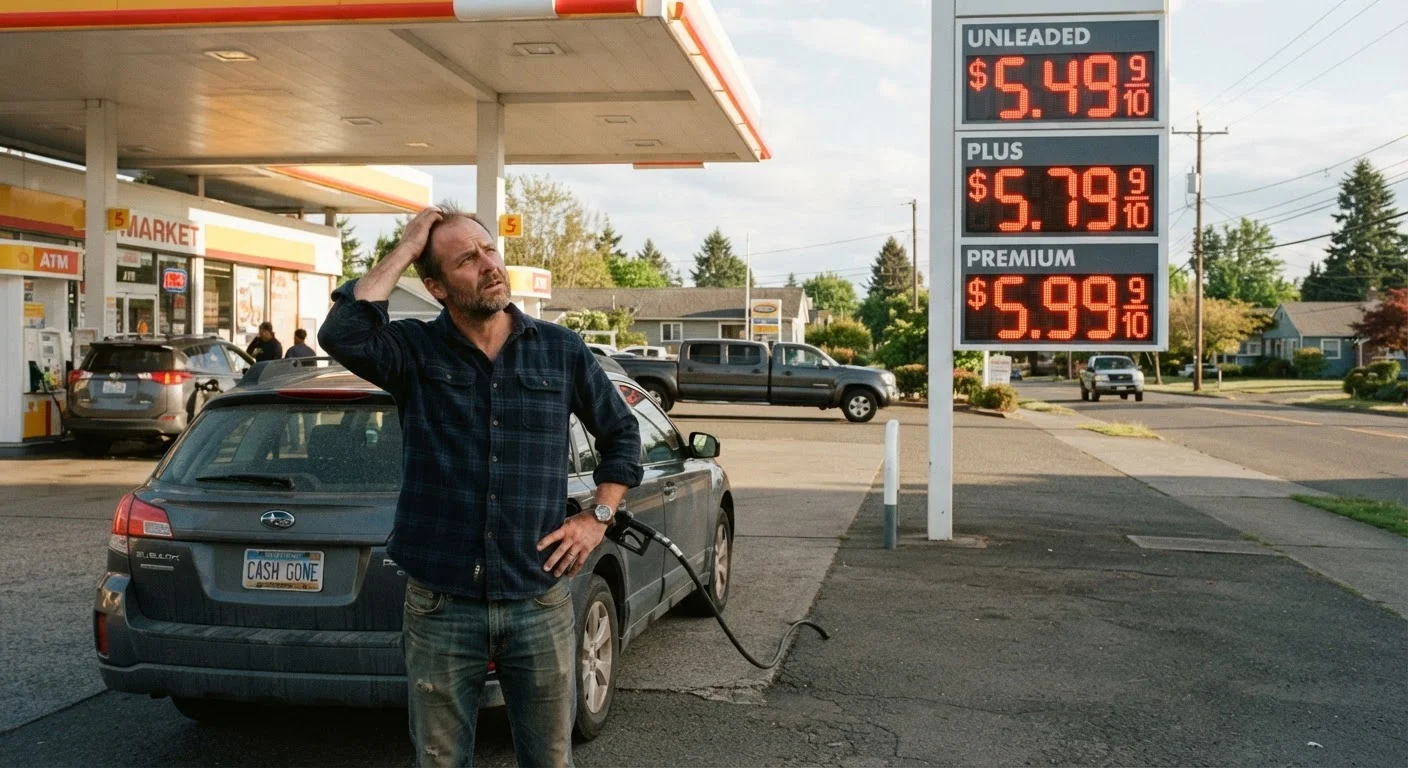
Photo credit: PrimeReads.net | Discover Insightful And Creative Blogs
In this article
From premium fuel to skipping services, some popular beliefs about cars are simply wrong. Here's what the evidence actually says.
Key Takeaways
- Premium fuel is unnecessary for most vehicles and rarely improves performance or economy.
- Red cars do not cost more to insure - insurers don't factor in vehicle color.
- Dealer servicing is not required to keep your new-car warranty valid.
- Letting your engine idle to warm up is outdated advice and wastes fuel.
- Cheap tires can end up costing more long-term through faster wear and reduced safety margins.
Why Car Myths Persist - and What They Cost You
Automotive advice gets passed down at family dinners, in parking lots, and across social media - often with complete confidence and zero evidence. Some of it was accurate decades ago; some was never true. The problem is that acting on outdated or incorrect beliefs has a real dollar cost: unnecessary premium fuel, avoided independent shops, or tires chosen purely on price. This article works through six of the most financially consequential myths and replaces them with what the evidence actually shows.
Many of these misconceptions are connected - drivers who misunderstand fuel requirements are often the same ones unsure about servicing rules. For a related look at maintenance-specific fiction, see common car maintenance myths. And if you've recently become a car owner, the assumptions that catch new owners out is worth a read alongside this one.
Myth
Premium (higher-octane) fuel gives every car better performance and fuel economy.
Fact
Most vehicles are engineered to run on regular unleaded. Using premium in a car that doesn't require it provides no measurable benefit.
Engine management systems in modern vehicles are tuned to a specific octane rating - usually 87 for regular or 91+ for premium. Unless your owner's manual explicitly requires premium, you are paying 20-40 cents more per gallon for no gain. Vehicles that recommend (rather than require) premium may see marginal improvements in power output, but rarely enough to offset the added cost at the pump. Check your fuel door or manual before spending more than you need to.
Myth
Red cars cost more to insure because insurers charge a surcharge for that color.
Fact
Vehicle color has no bearing on insurance premiums. Insurers assess make, model, trim, engine size, driver history, and location - not paint.
This myth has circulated for decades, but no major U.S. insurer uses color as a rating factor. What actually drives your premium includes the vehicle's theft rate, repair cost, safety record, your driving history, and your ZIP code. If you've avoided a red car for this reason, you've been working around a rule that doesn't exist.
Myth
You must take your car to the dealership for servicing or your warranty becomes void.
Fact
Under the Magnuson-Moss Warranty Act, manufacturers generally cannot require you to use dealer service to maintain your warranty, as long as maintenance meets the required specifications.
Independent shops and even owner-performed maintenance are typically acceptable, provided you use parts and fluids that meet the manufacturer's specifications and keep records. The key is documentation: save receipts and service records to demonstrate that correct intervals and materials were used. Dealership service is a legitimate option, but it is not legally mandated for most standard warranty coverage. If you have questions about your specific warranty terms, review your owner's manual or consult the manufacturer directly.
Myth
You should let your engine idle for several minutes to warm it up before driving, especially in winter.
Fact
Modern fuel-injected engines warm up faster under gentle load than at idle. Prolonged idling wastes fuel and can leave fuel residue in cylinders.
This advice made sense for older carbureted engines, but it does not apply to vehicles built in the last few decades. Today's engines are designed to reach operating temperature most efficiently when driven - gently, for the first few minutes. Sitting in your driveway burning fuel for five minutes accomplishes little beyond increasing emissions and running costs. In very cold climates, 30-60 seconds is generally sufficient before driving away at moderate speeds.
Myth
Cheap tires save money over the long run compared to mid-range options.
Fact
Budget tires frequently wear faster, perform worse in wet conditions, and may end up costing more per mile than moderate-quality alternatives.
Tires are among the most safety-critical components on your vehicle. Independent testing by organizations such as Consumer Reports and the National Highway Traffic Safety Administration (NHTSA) consistently shows measurable differences in wet braking distance between budget and mid-range tires. A tire that wears out in 25,000 miles instead of 50,000 miles effectively doubles your tire replacement frequency. Factor in cost per mile of useful life, not just sticker price, when evaluating tires.
Myth
A newer car is always cheaper to own than an older one because it's more reliable.
Fact
Newer vehicles carry higher depreciation, insurance costs, and financing expenses that often outweigh the savings from reduced repair frequency.
Depreciation is typically the single largest cost of vehicle ownership, and it hits hardest in the first three years. A well-maintained used vehicle may cost far less per year in total when you account for lower purchase price, reduced registration fees, and lower insurance premiums - even if it requires occasional repairs. For a fuller picture of what car ownership actually costs, see the full financial picture of car ownership, and specifically how depreciation affects every owner.
Making Smarter Decisions With Accurate Information
The common thread across these myths is that they all point toward spending more than necessary - on fuel grades, on dealership markups, on vehicle depreciation. Treating automotive decisions with the same skepticism you'd apply to financial ones makes a genuine difference over a car's lifetime.
~$0.30
Average per-gallon premium fuel surcharge
U.S. Energy Information Administration data regularly shows a 20-40 cent per gallon spread between regular and premium grades.
49%
New car value lost in first three years
Industry data consistently shows new vehicles lose roughly half their value within the first three years, making depreciation the dominant ownership cost.
2x
Replacement frequency of budget vs. mid-range tires
Tires rated for 25,000 miles need replacement twice as often as 50,000-mile alternatives, negating any initial price savings.
If you're weighing the total cost picture - including insurance, fuel type, and maintenance - it helps to look at different vehicle types side by side. Our EV vs. petrol cost comparison breaks down how the numbers actually stack up over time. For all ongoing maintenance guidance, the car maintenance hub is a useful reference to bookmark.
The simplest rule: when in doubt, check your owner's manual first. It reflects what your vehicle's engineers actually tested and specified - and it's almost always more reliable than conventional wisdom.

Author
Cars Editorial Team
Cars Editorial Team is the collective byline for our editorial team and contributor network. Articles published under this byline or an editorial pen name are researched, written, and reviewed according to our editorial standards for clarity, consistency, and independence before publication.
View all articles →