
Why Your Mirrors Aren't Telling You the Whole Story
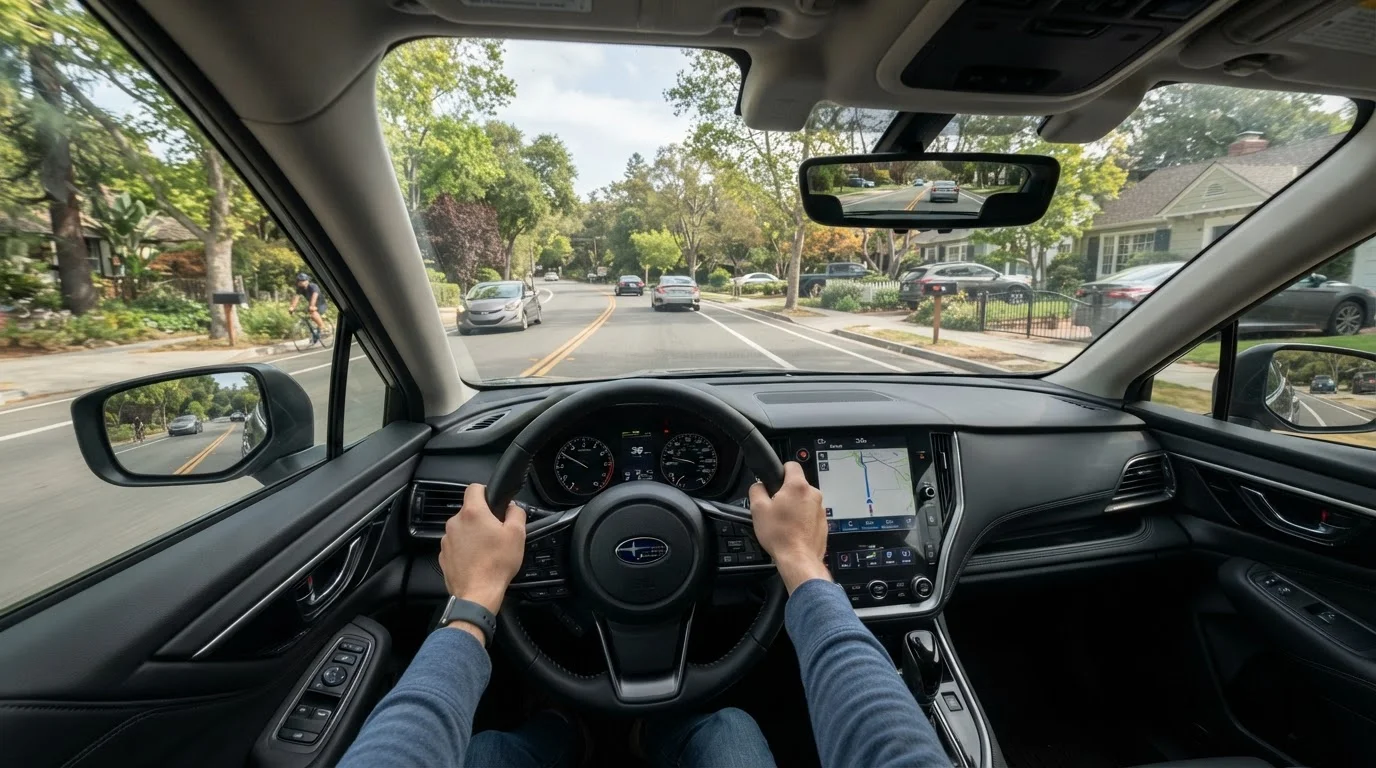
Photo credit: PrimeReads.net | Discover Insightful And Creative Blogs
In this article
Mirrors eliminate most blind spots — but not all. Learn where vehicles disappear from your field of view and how to compensate with smarter scanning habits.
Key Takeaways
- Every vehicle has blind spots that mirrors physically cannot eliminate, regardless of adjustment.
- Most collisions during lane changes happen because drivers rely on mirrors alone without a physical head check.
- Mirror scanning frequency matters as much as mirror adjustment - static glances create gaps in awareness.
- Larger vehicles and motorcycles present different blind-spot challenges that require separate mental habits.
The Illusion of Complete Visibility
Mirrors are indispensable, but they create a subtle trap: because they show so much, drivers often assume they show everything. In reality, every production vehicle has zones where objects - sometimes entire vehicles - exist outside the mirror's field of view. Understanding where those gaps are, and why, is the first step toward genuinely safer driving.
The geometry is straightforward. A flat rearview mirror reflects only the narrow rectangle directly behind you. Each side mirror adds coverage to the rear quarter but leaves an angular gap between what the side mirror captures and what your peripheral vision can reach when looking straight ahead. That gap - roughly alongside your rear doors and rear pillars - is the classic blind spot. A motorcycle or compact car sitting there is effectively invisible until you turn your head.
This is compounded by the way most drivers position their mirrors. A common habit is angling side mirrors so a sliver of the car's own body is visible as a reference point. It feels reassuring but wastes coverage. Positioning side mirrors further outward - so the car's body disappears from view - meaningfully reduces the blind-spot zone, though it does not eliminate it entirely. See where mirror gaps most often cause collisions for a fuller picture of the manoeuvres where this matters most.
Common Mistakes That Widen the Gap
Knowing blind spots exist is not enough if driving habits quietly undermine that awareness. The mistakes below are the ones that turn a manageable gap in mirror coverage into an actual collision risk.
Relying solely on mirrors before changing lanes without performing a shoulder check.
Why it happens: Mirrors feel comprehensive, and turning your head while managing speed and steering feels like an extra step. Over time, the shoulder check gets dropped as drivers grow comfortable.
Positioning side mirrors to show the car's own body, sacrificing rear-quarter coverage.
Why it happens: Seeing part of your own vehicle in the mirror creates a familiar reference point that feels safer, even though it narrows the useful field of view.
Scanning mirrors infrequently - checking only when a lane change is already planned.
Why it happens: Drivers focus primarily on the road ahead and treat mirrors as a tool to consult rather than a continuous information stream.
Assuming a clear mirror check moments ago means the lane is still clear.
Why it happens: Traffic moves quickly, and a vehicle that wasn't visible 10 seconds ago may have accelerated into a blind-spot zone since then.
Ignoring the front-corner blind spots created by A-pillars when approaching intersections.
Why it happens: Drivers focus blind-spot awareness on the rear, overlooking that thick A-pillars can conceal cyclists or pedestrians approaching from the front quarter at intersections.
For drivers who frequently travel at highway speeds, these habits carry elevated consequences. Motorway driving introduces additional blind-spot hazards that many drivers never consciously address.
Building Scanning Habits That Actually Work
Compensating for mirror limitations requires a systematic routine rather than ad hoc glancing. Experienced drivers treat mirror checks as a rhythm, not a reaction - scanning roughly every five to eight seconds during normal highway travel, and more frequently in dense urban traffic where vehicles move in and out of adjacent lanes constantly.
Before any lane change, the sequence should be: mirrors first (to get a general read on traffic behind), then a shoulder check (a quick but genuine rotation of the head to cover the blind-spot zone), then signal, then move - never the reverse. The shoulder check is the step most commonly skipped under time pressure, which is precisely when it matters most.
Motorcycles Are Easily Missed
Motorcycles occupy far less visual space than cars, making them disproportionately likely to sit in a mirror gap unnoticed. Their narrower profile also means they can accelerate into a blind-spot zone quickly. Always allow extra time when checking before merging on roads where motorcycles are common, and look twice before committing to a lane change.
Drivers of larger vehicles - trucks, SUVs, vans - carry an additional responsibility: their own vehicle creates blind spots for others. Traveling with large gaps in front and behind, avoiding prolonged side-by-side positioning on multi-lane roads, and being predictable in lane changes all reduce the risk that another driver's mirror gap becomes a collision involving your vehicle.
Night driving adds another layer of complexity to this picture. Reduced visibility at night changes how reliably you can verify a blind spot is clear, making a disciplined head-check routine even more important after dark.
This article is for general educational purposes only. Always observe applicable traffic laws and consult official driver safety resources or a qualified driving instructor for guidance tailored to your situation.

Author
Cars Editorial Team
Cars Editorial Team is the collective byline for our editorial team and contributor network. Articles published under this byline or an editorial pen name are researched, written, and reviewed according to our editorial standards for clarity, consistency, and independence before publication.
View all articles →