
Reading Your Dashboard Warning Lights
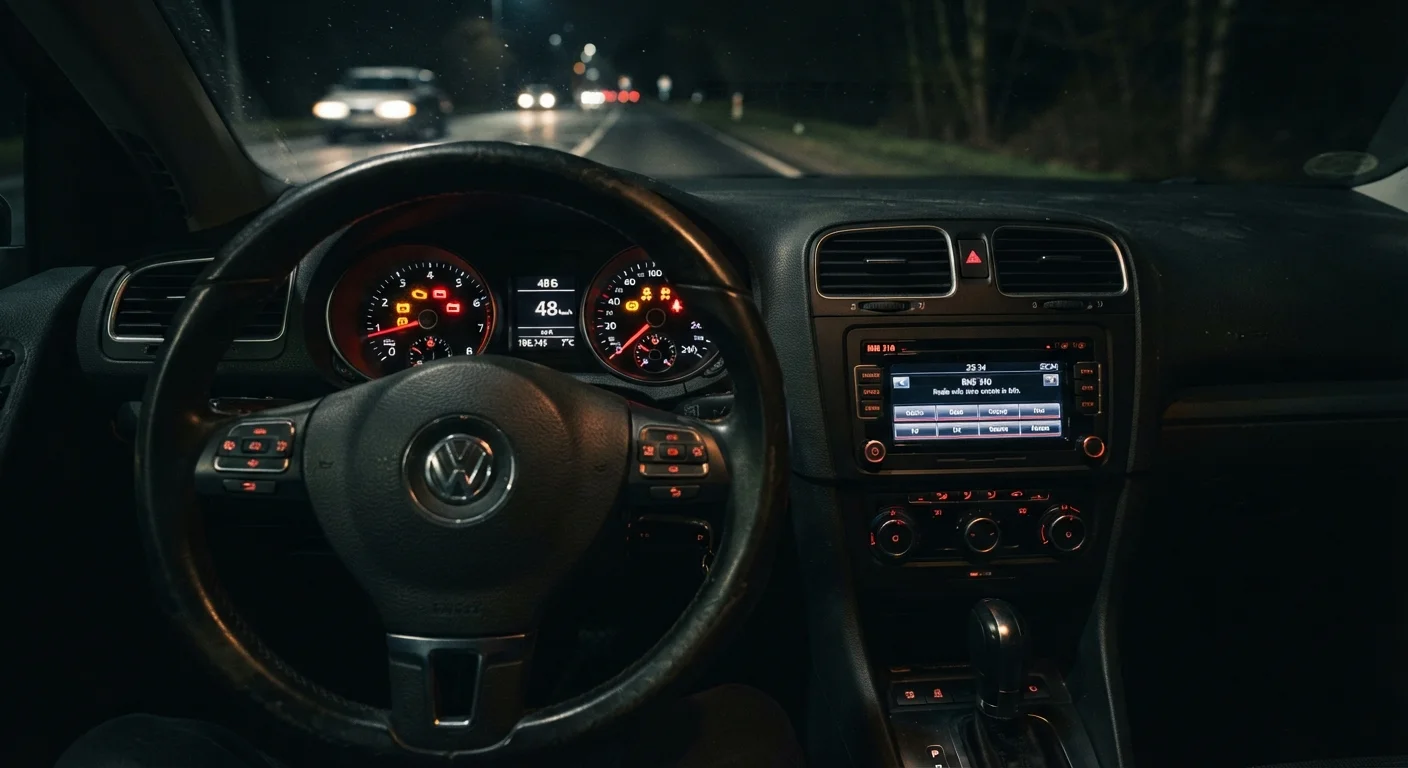
Photo credit: PrimeReads.net | Discover Insightful And Creative Blogs
In this article
A quick-reference guide to the most common dashboard warning symbols, what triggers them, and which ones need immediate attention.
How Dashboard Warning Lights Work
Modern vehicles use an onboard diagnostics system (OBD-II) to continuously monitor dozens of sensors. When something falls outside expected parameters, the system illuminates a warning light on your instrument cluster. These lights follow a general color-coding logic: red means stop or take immediate action, amber/yellow means investigate soon, and green or blue are informational (like high beams or turn signals). Understanding this color hierarchy helps you triage what needs attention right now versus what can wait until your next scheduled service.
Your owner's manual is the definitive reference for your specific vehicle - symbols can vary by manufacturer. That said, most light icons are standardized enough that the guide below applies to the majority of passenger vehicles on US roads.
| Color: Red | Stop or take immediate action |
| Color: Amber/Yellow | Service needed soon - not always an emergency |
| Color: Green/Blue | Informational - system is active (e.g., high beams) |
| OBD-II Standard | Required on all US passenger vehicles since 1996 |
| Flashing Check Engine Light | More urgent than steady - potential catalytic converter damage |
| Free Code Scans | Available at many auto parts retailers - a useful first diagnostic step |
Red Lights: Stop and Act Now
Red warning lights signal conditions that can damage the engine, create a safety hazard, or leave you stranded. If one appears while driving, find a safe place to pull over promptly.
- Oil Pressure (oil can icon): Engine oil pressure has dropped critically. Continuing to drive can cause severe engine damage within minutes. Turn off the engine, check the oil level once the engine cools, and do not restart without identifying the cause.
- Engine Temperature (thermometer in liquid): The engine is overheating. Pull over safely, shut off the engine, and do not open the radiator cap while hot. Check coolant levels only after the engine has cooled.
- Battery / Charging System (battery icon): The electrical system isn't charging properly. You may have limited driving range before the vehicle loses power entirely. Head to a mechanic promptly.
- Brake System (exclamation mark in circle or "BRAKE"): Could indicate low brake fluid, a brake system fault, or the parking brake is engaged. If the parking brake is off and the light remains, treat it as urgent - brake failure is a serious safety risk.
For related signs that your vehicle needs immediate attention, see warning signs your car is overdue for a service.
Amber Lights: Schedule Service Soon
Amber lights generally indicate a developing issue that doesn't require you to pull over immediately - but shouldn't be ignored for long.
- Check Engine (engine outline): One of the most common and most misunderstood lights. It can signal anything from a loose gas cap to a misfiring cylinder. A steady light usually means schedule a diagnostic soon; a flashing check engine light is more urgent and may indicate a catalytic converter risk.
- Tire Pressure (TPMS - flat tire icon): One or more tires are significantly under- or over-inflated. Check and correct tire pressure when it's safe to stop.
- Transmission Temperature: Transmission fluid is running hot. Ease off the throttle, and if the light persists, have the system inspected.
- Low Fuel: Self-explanatory, but worth noting - consistently running very low can shorten fuel pump life.
Understanding fluid conditions alongside these lights adds important context - what your car's fluids are trying to tell you explains what to look for under the hood.
Integrating Warning Lights Into Your Maintenance Routine
Dashboard lights are reactive - they tell you something has already changed. Pairing that awareness with a proactive maintenance schedule gives you the full picture. Routine oil changes, fluid top-offs, and tire inspections catch problems before they trigger warning lights in the first place. For a structured overview, see your car's maintenance schedule, explained.
Before a long drive, a quick visual scan of your instrument cluster should be part of your pre-departure habit. Our pre-drive safety checklist walks through everything worth confirming before you leave the driveway.
If a warning light comes on and you're unsure of its meaning or severity, consult a qualified mechanic rather than relying solely on a quick internet search. Many auto parts retailers offer free OBD-II code scans, which can help clarify what triggered an amber check engine light - but interpreting results and deciding on repairs is best left to a trained technician.

Author
Cars Editorial Team
Cars Editorial Team is the collective byline for our editorial team and contributor network. Articles published under this byline or an editorial pen name are researched, written, and reviewed according to our editorial standards for clarity, consistency, and independence before publication.
View all articles →