
Why Your Travel Budget Keeps Running Out - and How to Build One That Holds
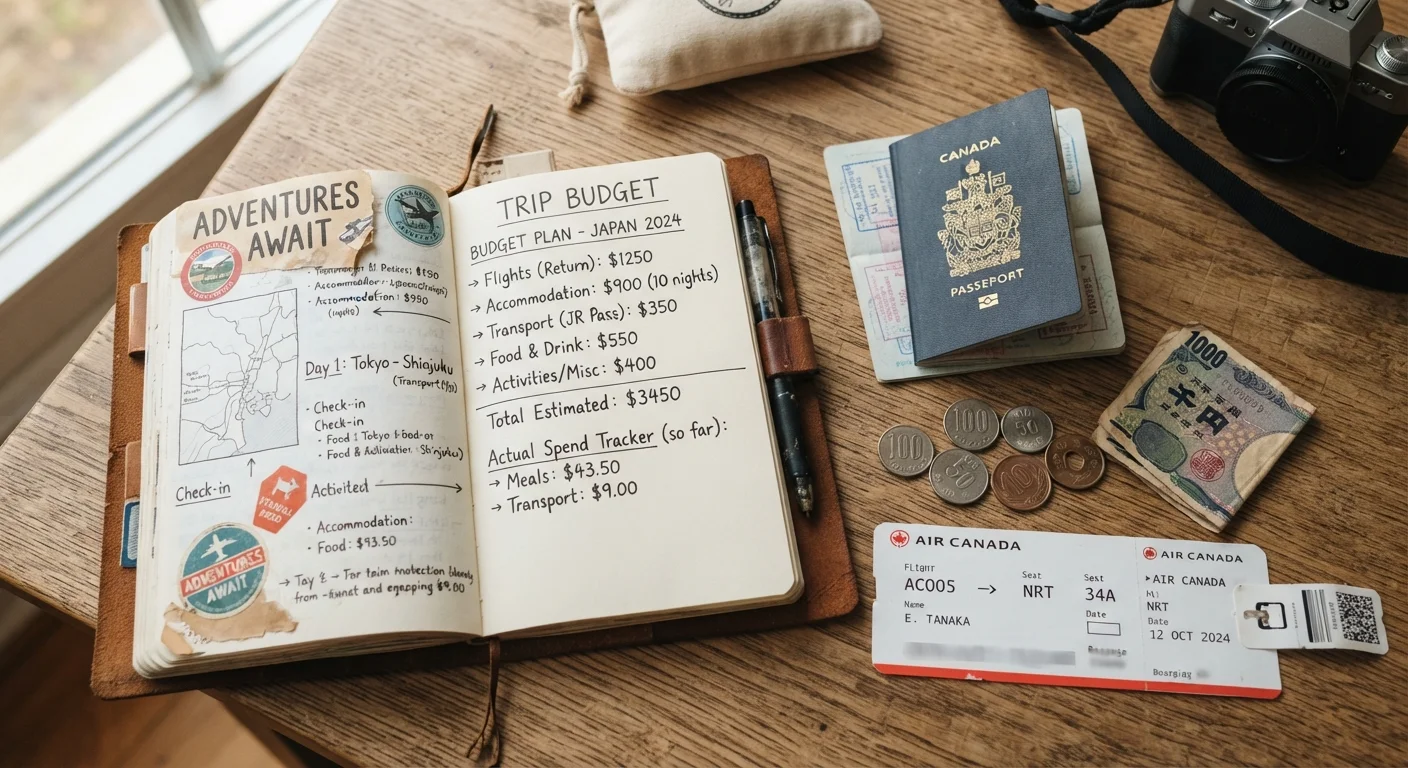
Photo credit: PrimeReads.net | Discover Insightful And Creative Blogs
In this article
Explore the most common reasons travel budgets fail and the planning habits that keep spending on track throughout a trip.
Key Takeaways
- Most travel budgets fail due to overlooked costs, not overspending on big-ticket items.
- Building in a 15-20% buffer for unexpected expenses is a widely recommended planning practice.
- Tracking spending daily while traveling is one of the most effective ways to stay on budget.
- Pre-trip research on hidden fees - resort fees, baggage charges, currency conversion - prevents common overspending.
- A realistic daily spending estimate, broken down by category, is more reliable than a single trip total.
Why Travel Budgets Fail Before the Trip Even Ends
Most travelers don't overspend on flights or hotels - those numbers are visible early and easy to plan around. The budget usually collapses quietly, through a series of smaller costs that were never accounted for in the first place. Airport meals, taxi rides, entrance fees, checked baggage, tipping customs, and spontaneous excursions each feel minor in isolation. Together, they can add hundreds of dollars to what looked like a tight, sensible budget.
Understanding why travel budgets break down is the first step toward building one that holds. The mistakes below are among the most common - and the most fixable.
Planning around a single total figure instead of a daily breakdown.
Why it happens: A lump-sum budget feels manageable until you realize mid-trip that you've spent 60% of it in the first three days.
Forgetting to budget for getting to and from airports, stations, or ports.
Why it happens: Transportation planning usually focuses on the main journey - the flight, train, or rental car - while first- and last-mile costs are treated as afterthoughts.
Underestimating food costs by assuming all meals will be cheap.
Why it happens: Travelers often base food budgets on a few low-cost meals they've read about, without accounting for the full range - including airport food, drinks, snacks, and the occasional splurge meal.
Ignoring fees that aren't included in headline prices.
Why it happens: Resort fees, city taxes, baggage charges, ATM withdrawal fees, and foreign transaction charges are easy to miss when you're focused on the big booking numbers.
Leaving no buffer for the unexpected.
Why it happens: Travelers building tight budgets often feel they can't afford a buffer - but the buffer is precisely what prevents a minor problem (a lost item, a weather delay, a medical copay) from derailing the entire trip.
How to Build a Travel Budget That Survives the Road
Once you've identified the patterns that drain travel budgets, the next step is building a structure that accounts for them before departure. The goal isn't to plan every dollar - it's to eliminate the categories of surprise that reliably catch people off guard.
Start by estimating a realistic daily spending figure for your destination, then break it into categories: food, local transportation, activities, and incidentals. Research specific costs rather than guessing - entry fees, transit passes, and tipping norms vary significantly by country and city. For a deeper look at how to structure those categories, see spending categories every budget should include.
~30%
Of trip costs often unplanned before departure
Travel industry surveys consistently find that a significant portion of on-trip spending comes from categories travelers did not budget for in advance, including fees, dining upgrades, and local transport.
15-20%
Recommended contingency buffer above trip estimate
Financial planning guidance commonly suggests adding a 15-20% buffer to any travel budget to absorb unexpected costs without disrupting the rest of the trip.
Next, add a buffer. Many experienced travelers recommend setting aside 15-20% above your estimated total for unplanned costs. This isn't pessimism - it's the difference between a minor inconvenience and a financial problem. If you don't spend the buffer, you return home with money left over rather than credit card debt.
Finally, track your spending daily while you're on the road. A simple notes app or a travel-specific budgeting tool (many free options exist) lets you compare actual spending against your estimate in real time, so course corrections happen before you run out of runway. Pair your budget with a well-structured itinerary - a day-by-day travel itinerary helps you anticipate costs before they arrive. For more practical strategies, the Travel Hacks hub is a useful ongoing reference.

Author
Travel Editorial Team
Travel Editorial Team is the collective byline for our editorial team and contributor network. Articles published under this byline or an editorial pen name are researched, written, and reviewed according to our editorial standards for clarity, consistency, and independence before publication.
View all articles →