
Travel Insurance Decoded: What Policies Actually Cover
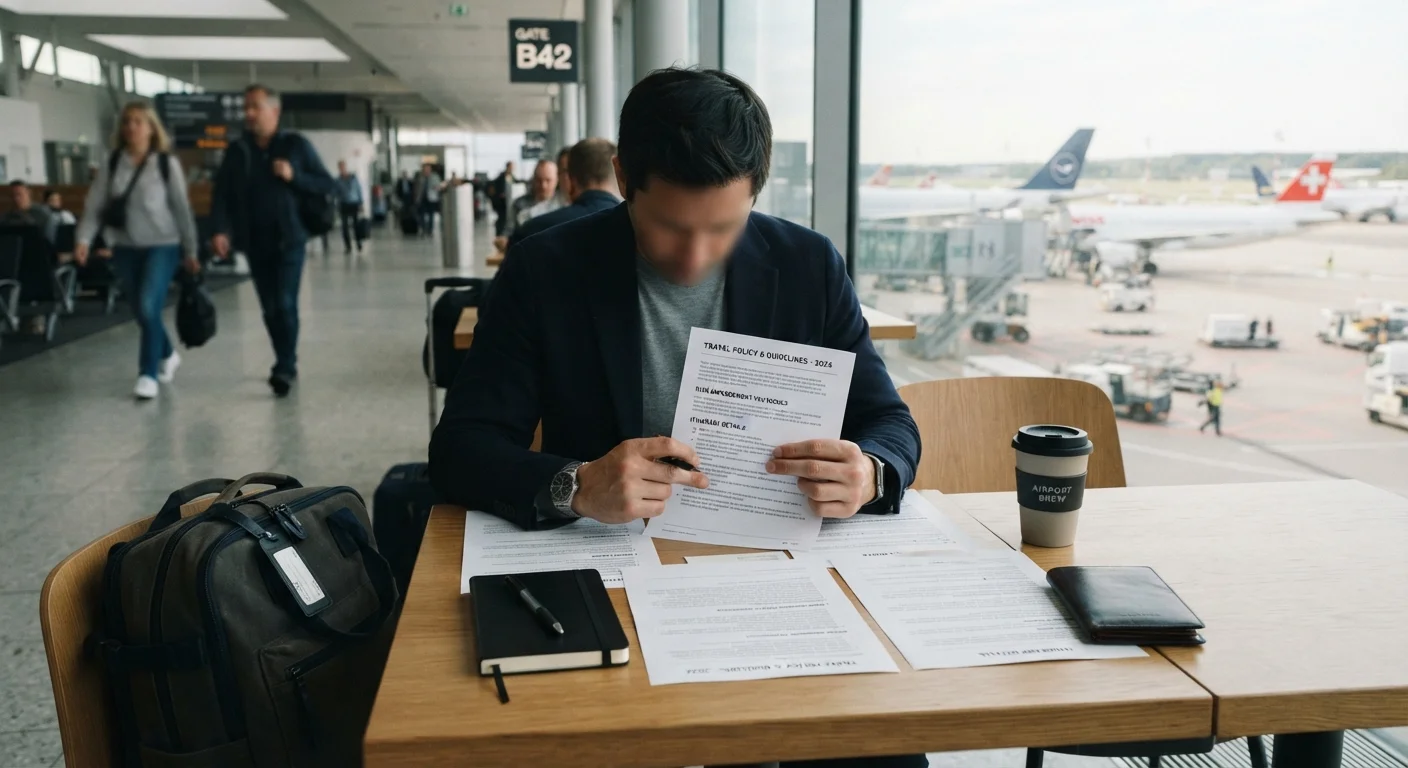
Photo credit: PrimeReads.net | Discover Insightful And Creative Blogs
In this article
Cut through the jargon in travel insurance policies. Understand excess, exclusions, medical cover, and cancellation terms clearly.
Key Takeaways
- Travel insurance policies differ significantly - coverage that exists in one plan may be absent or limited in another.
- Medical evacuation and emergency hospitalization abroad can cost tens of thousands of dollars without insurance.
- Pre-existing conditions are frequently excluded unless specifically declared and accepted by the insurer.
- Trip cancellation cover only applies to reasons explicitly listed in the policy, not any personal change of plans.
- Always verify coverage details directly with your insurer before departure, especially for adventure activities.
Why Policy Wording Is the Most Important Thing You'll Read
Travel insurance sounds straightforward until you need to use it. At that point, the specific language in your policy - not the marketing summary - determines whether your claim is paid. Two policies described as 'comprehensive' can differ dramatically in their exclusions, coverage limits, and definitions of qualifying events.
Before your next trip, treat the policy document as required reading, not fine print to skip. Pay particular attention to the Schedule of Benefits (what's covered and up to what amount), the General Exclusions section (what's never covered), and the Conditions section (what you must do to keep coverage valid). See our international trip preparation checklist for a broader pre-departure review framework.
$50,000+
Typical cost of international medical evacuation
Medical evacuation costs vary widely by region and circumstances; figures from insurance industry sources consistently place air ambulance costs in this range or higher.
30-40%
Claims denied due to exclusions or non-disclosure
Industry data from consumer financial bodies suggests a significant share of travel insurance claims are rejected for exclusion-related reasons, including undisclosed pre-existing conditions.
72 hours
Common window to purchase CFAR add-on after booking
Many insurers require Cancel for Any Reason upgrades to be purchased within 48-72 hours of the initial trip deposit to remain eligible.
Core Coverage Categories Explained
Medical and Emergency Evacuation
This is often the most financially critical component. Emergency hospitalization in countries like the United States, Japan, or Australia can reach six figures quickly. A solid policy should include emergency medical treatment, in-patient hospital care, and - critically - medical evacuation to a facility capable of treating your condition if local care is inadequate. Evacuation alone can cost $50,000 or more.
Trip Cancellation and Curtailment
Cancellation cover reimburses non-refundable trip costs if you must cancel before departure for a covered reason. Curtailment cover applies when a trip is cut short after it has begun. Covered reasons typically include sudden illness or injury, the death of a close family member, jury duty, or natural disasters at the destination. Personal decisions - such as simply not wanting to travel - are not covered unless you have a CFAR add-on.
Baggage and Personal Belongings
Most policies set a per-item limit and an overall limit for lost, stolen, or damaged belongings. High-value items like laptops, cameras, or jewelry often have separate, lower sub-limits. Some items - such as cash and passports - may be covered separately up to a capped amount. Delayed baggage cover is distinct: it typically reimburses essential purchases if your bags are delayed by a set number of hours.
Travel Delay
If your flight is delayed beyond a threshold - commonly 6 to 12 hours - travel delay cover provides reimbursement for accommodation, meals, and transport incurred as a result. This is separate from any compensation your airline may owe you under applicable consumer protection rules.
Common Exclusions Travelers Miss
Exclusions are where most claim disputes originate. The following are among the most frequently overlooked:
- Pre-existing medical conditions - Any condition diagnosed, treated, or investigated before the policy start date is typically excluded unless formally declared and accepted.
- Alcohol and substance impairment - Claims arising from incidents where you were intoxicated are almost universally denied.
- Unlicensed vehicle operation - Riding a moped or motorcycle without the appropriate license voids related claims.
- Unattended belongings - Theft claims are often denied if property was left unattended in a public space or visible in a vehicle.
- War and civil unrest - Most standard policies exclude destinations under active travel advisories or conflict zones.
- Pandemic-related disruption - Coverage for pandemic-related cancellations varies significantly; check your policy's specific language.
For a deeper look at how exclusions compare across insurance categories, see our overview of what travel insurance policies actually cover.
How to Read a Policy Before You Buy
Reviewing a policy doesn't require a legal background - it requires a structured approach. Follow these steps:
- Start with the Summary of Cover - Confirm the headline figures (medical limit, cancellation limit, baggage limit) meet your trip's actual cost and risk profile.
- Read the Exclusions in full - Search for keywords relevant to your trip: the destination region, any planned activities, any health conditions.
- Check the excess per claim - A low premium with a high excess may not represent good value for smaller claims.
- Verify claims procedures - Note the insurer's 24-hour emergency line and understand what pre-authorization steps are required for medical treatment.
- Confirm activity coverage - If you plan to ski, hike at altitude, dive, or participate in organized sports, verify these are not excluded or purchase the relevant add-on.
Keep Digital Copies of Your Policy
Save your policy number, the insurer's 24-hour emergency contact number, and a summary of key coverage limits to your phone before you leave home. In an emergency abroad, you won't want to be searching your email for this information. A screenshot stored offline works even without cellular data.
If you're weighing the overall cost of your trip protection against your planning approach, our comparison of package holidays versus self-planned trips provides useful context on where financial risk tends to sit.
Frequently Asked Questions

Author
Travel Editorial Team
Travel Editorial Team is the collective byline for our editorial team and contributor network. Articles published under this byline or an editorial pen name are researched, written, and reviewed according to our editorial standards for clarity, consistency, and independence before publication.
View all articles →