
Travel Rewards Programmes: A Plain-Language Introduction
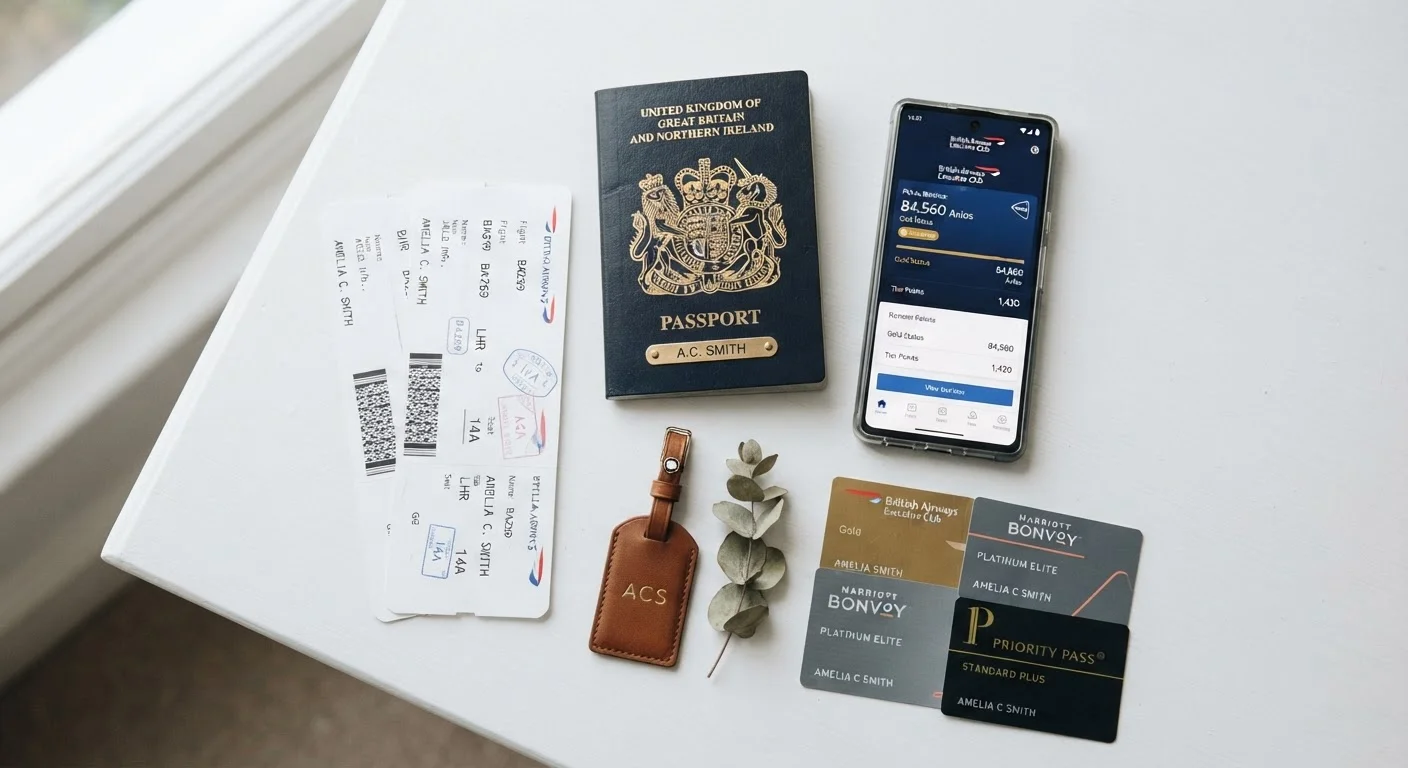
Photo credit: PrimeReads.net | Discover Insightful And Creative Blogs
In this article
Points, miles, tiers, and redemption windows can feel overwhelming. This guide breaks down how loyalty programmes work in straightforward terms.
Key Takeaways
- Travel rewards programmes let you accumulate points or miles through everyday spending and travel purchases.
- Points and miles are not the same thing - their value and flexibility differ significantly between programmes.
- Redemption options vary widely; flights, hotel stays, and statement credits are among the most common uses.
- Programme rules around expiration, blackout dates, and transfer partners can dramatically affect real-world value.
- Carrying a credit card balance to chase rewards typically costs more in interest than the rewards are worth.
What Travel Rewards Programmes Actually Are
Travel rewards programmes are loyalty schemes run by airlines, hotels, and credit card networks that give members a way to earn currency - points or miles - in exchange for purchases or stays. Once you accumulate enough, you can redeem that currency for flights, hotel nights, upgrades, or other travel-related benefits.
The core idea is straightforward: the more you spend with a programme's partners, the more you earn. But the mechanics underneath - earning rates, redemption rules, elite status tiers - add layers that can confuse newcomers. Think of it as a structured system with its own exchange rate and rulebook, specific to each programme.
For context on how these programmes fit into broader trip planning, see our guide to planning your first international trip.
Award flight
A flight booked using points or miles instead of cash, typically requiring a set number of points based on the route or cabin class.
Transfer partner
An airline or hotel that allows you to move points from a credit card rewards programme into their loyalty programme, often at a fixed exchange ratio.
Elite status
A higher membership tier earned by frequent flying or spending, which unlocks perks like priority boarding, lounge access, or bonus points on purchases.
Blackout dates
Specific dates - often holidays or peak travel periods - when award seats or free nights are unavailable or heavily restricted.
Dynamic pricing
A redemption model where the points cost of a flight or hotel varies based on demand, rather than being fixed on an award chart.
Co-branded card
A credit card issued in partnership with a specific airline or hotel, designed to earn that brand's loyalty currency on everyday purchases.
Points vs. Miles: Understanding the Difference
The words "points" and "miles" are often used interchangeably, but they refer to different things depending on the programme. Miles are typically associated with airline frequent-flyer programmes and were historically based on the distance you flew. Points is a broader term used by hotel programmes and many credit card reward schemes.
What matters more than the label is the value of each unit. A single point or mile is rarely worth a fixed amount - value depends entirely on how you redeem it. A mile used for an economy seat on a short domestic route might be worth less than half a cent, while the same mile applied to a long-haul business class seat could be worth two cents or more. Understanding this variable value helps you make smarter redemption decisions.
How You Earn Rewards
Earning opportunities fall into a few main categories:
- Flying: Booking flights directly with an airline and crediting them to its frequent-flyer programme earns miles based on ticket price or distance, depending on the airline.
- Hotel stays: Staying at properties within a hotel group and logging the stay to your membership earns points per dollar spent.
- Credit card spending: Co-branded travel cards (linked to a specific airline or hotel) and general travel cards earn points or miles on everyday purchases like groceries, gas, and dining - not just travel.
- Shopping portals and partners: Many programmes operate online shopping portals where you earn bonus points for purchases at participating retailers.
Credit cards are often the fastest earning channel for people who don't travel constantly. For a broader look at how cards factor into your travel finances, our guide to currency, cards, and cash abroad covers the full picture.
Redeeming Your Rewards: What to Know
Redemption is where programmes differ the most. Common options include:
- Award flights: Using points or miles to book flights, either through the airline's own programme or via transfer partners.
- Hotel award nights: Redeeming points for free or reduced-cost stays.
- Statement credits: Applying points as cash toward your credit card balance - usually at a lower value per point than travel redemptions.
- Upgrades: Using miles to move from economy to business or first class, subject to availability.
Two concepts to understand before redeeming: blackout dates (periods when award availability is restricted, often around holidays) and redemption windows (how far in advance you can book). Award space can be limited, so flexibility in travel dates helps considerably.
If you're planning a complex itinerary, our long-haul trip planning resource discusses how rewards can fit into multi-stop journeys.
Redeem for High-Value Categories First
If your goal is travel, prioritize redeeming points for flights and hotel stays over cash back or merchandise - these typically deliver the highest value per point. Redemption values can vary significantly between categories within the same programme, so it's worth checking the equivalent cash value before committing.
Common Pitfalls to Avoid
Even well-intentioned rewards strategies can backfire. Watch out for these patterns:
- Carrying a balance to earn rewards: Interest charges almost always outpace the value of rewards earned. Rewards cards make financial sense only when you pay the full balance each month.
- Letting points expire: Inactivity can wipe out years of accumulated value. Know your programme's expiration rules and keep accounts active.
- Ignoring programme devaluations: Airlines and hotels can and do reduce the value of their points over time. Holding large balances indefinitely carries risk.
- Overcomplicating your strategy: Spreading activity across too many programmes dilutes your balance in each. Starting with one or two programmes you'll actually use is more practical.
For a grounded look at how advanced strategies like travel hacking work - and what they realistically involve - see what travel hacking actually means.
This article is for general informational purposes only and does not constitute financial advice. Rewards programme terms and valuations vary and can change. Consult programme terms directly and consider speaking with a qualified financial adviser about decisions involving credit products.
Frequently Asked Questions

Author
Travel Editorial Team
Travel Editorial Team is the collective byline for our editorial team and contributor network. Articles published under this byline or an editorial pen name are researched, written, and reviewed according to our editorial standards for clarity, consistency, and independence before publication.
View all articles →