
Smarter Ways to Stay Connected Abroad Without Overpaying
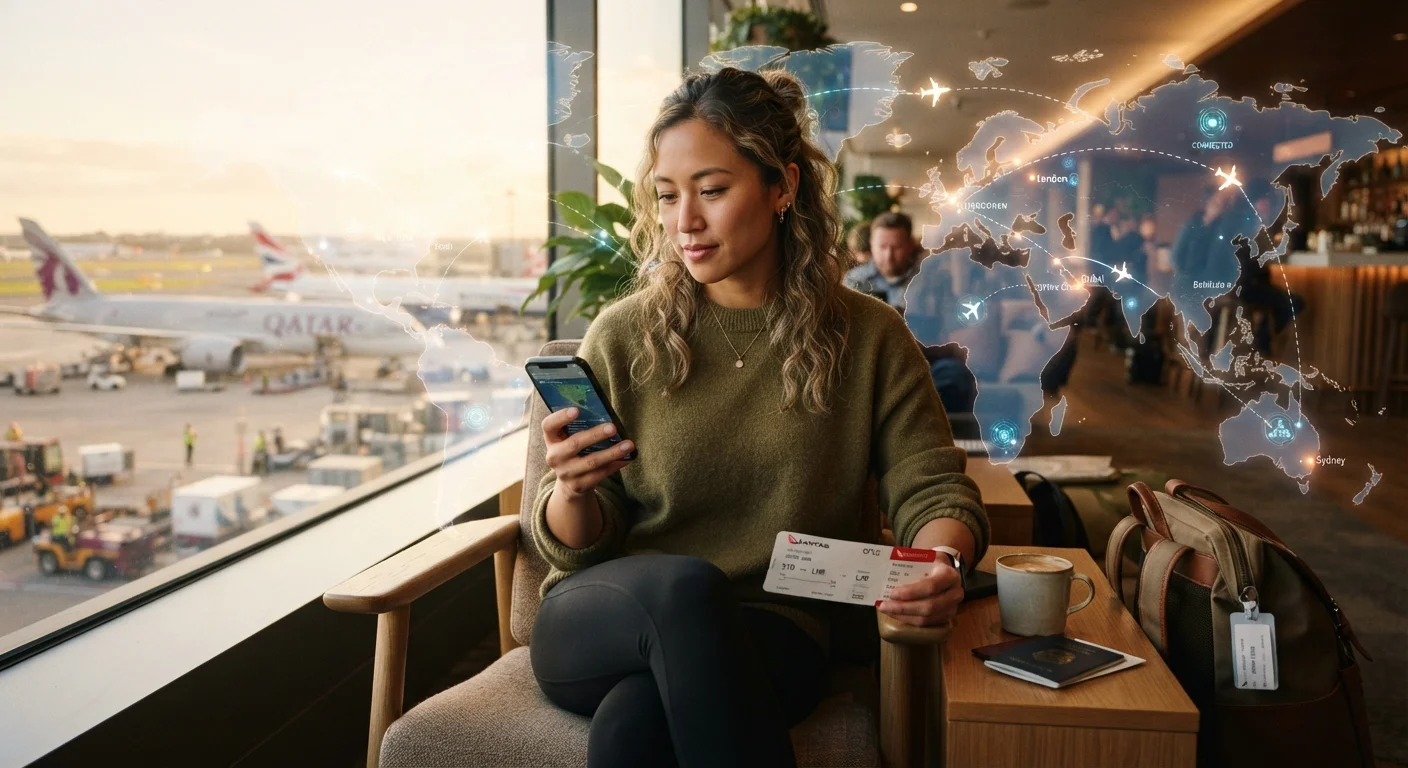
Photo credit: PrimeReads.net | Discover Insightful And Creative Blogs
In this article
Roaming charges, local SIMs, eSIMs, and Wi-Fi calling each suit different travellers. Here's how to weigh them before you land.
Key Takeaways
- International roaming add-ons from your home carrier are convenient but often the most expensive option.
- Local SIM cards offer strong value for longer stays but require an unlocked phone.
- eSIMs allow instant setup before departure and work well for short to medium trips.
- Wi-Fi calling is a useful supplement but should not be your sole connectivity strategy.
- Assessing your data needs, trip length, and destinations before you leave is essential.
Why Your Default Plan Often Fails You Abroad
Many travelers land overseas and simply leave their home phone plan running - only to discover substantial roaming charges when they return. US carriers typically offer international day passes or monthly add-ons, but the per-day or per-GB cost can be steep, particularly in regions where your carrier's roaming partnerships are limited.
Before assuming your existing plan is sufficient, check its exact international coverage map, not just the headline claim. Coverage gaps in rural or developing regions are common, and data speeds may be throttled even when a signal exists. For anything beyond a quick business trip, it pays to explore alternatives well before departure. See our international trip preparation checklist for a broader look at pre-departure verification steps.
Comparing Your Four Main Options
Each connectivity method suits a different travel profile. Here's how they stack up across the criteria that matter most to everyday travelers.
| Roaming Add-On | Local SIM | eSIM | Wi-Fi Calling | |
|---|---|---|---|---|
| Setup effort | Minimal - enable before travel | Moderate - buy on arrival | Low - activate before departure | None - built into phone |
| Cost (relative) | High | Low to moderate | Low to moderate | Free over Wi-Fi |
| Phone compatibility | Any phone on carrier | Unlocked phone required | eSIM-capable device required | Most modern smartphones |
| Keeps US number active | Yes | No - US number paused | Depends on dual-SIM setup | Yes, over Wi-Fi |
| Multi-country usability | Good if plan covers regions | Requires multiple SIM swaps | Regional plans available | Wherever Wi-Fi exists |
| Data reliability | Varies by roaming partner | Strong local network access | Varies by provider | Dependent on Wi-Fi quality |
Understanding these trade-offs helps you match the method to your trip rather than defaulting to the most familiar option.
Local SIMs: High Value, Some Setup Required
Purchasing a local SIM card at your destination typically delivers the most data for your money. Prepaid SIMs in most countries are available at airports, convenience stores, and mobile carrier outlets, often including generous data allowances and local call minutes at a fraction of what a US roaming add-on costs.
The key requirement is an unlocked phone - contact your carrier before departure to confirm your device's unlock status if you're unsure. You'll also need to swap physical SIMs and may temporarily lose your US number, which can be disruptive if contacts need to reach you. Keep your original SIM in a safe place; losing it creates complications when you return.
For trips spanning multiple countries, managing several SIM swaps becomes cumbersome. In those cases, a regional SIM (available for areas like Europe or Southeast Asia) can reduce the switching burden.
eSIMs: Flexibility Without the Physical Swap
An embedded SIM, or eSIM, lets you add a data plan digitally to a compatible device - no physical card required. You can purchase and activate an eSIM plan before you even board your flight, ensuring connectivity the moment you land. Most flagship smartphones released after 2020 support eSIM, though it's worth confirming your specific model's compatibility.
eSIM plans are available through various regional and global data providers, generally structured around data-only packages. Voice calls over an eSIM data plan typically require an app-based solution. Pricing has become increasingly competitive, particularly for regional plans covering multiple countries, making eSIMs a practical choice for multi-stop itineraries where local SIM juggling would be impractical.
One practical note: some carriers in certain countries have not yet fully enabled eSIM support, so verify coverage in your specific destinations before committing. This connectivity planning fits naturally into the broader prep work outlined in our pre-departure checklist.
Wi-Fi Calling and Data-Saving Habits
Wi-Fi calling - supported natively on most modern smartphones - allows you to make and receive calls over any Wi-Fi connection using your regular number, without incurring roaming charges. It works well for hotel rooms, cafes, and coworking spaces, but is unreliable in transit or anywhere Wi-Fi is spotty.
Rather than a standalone strategy, Wi-Fi calling works best as a complement to a local SIM or eSIM data plan. When you do have cellular data, disciplined app management extends your allowance significantly: disable auto-updates, limit video streaming quality, and use offline maps through downloaded regions rather than streaming navigation.
Managing connectivity costs is part of a larger picture of controlling international travel expenses. Our guide on hidden costs in international travel covers other charges that frequently catch travelers off guard.

Author
Travel Editorial Team
Travel Editorial Team is the collective byline for our editorial team and contributor network. Articles published under this byline or an editorial pen name are researched, written, and reviewed according to our editorial standards for clarity, consistency, and independence before publication.
View all articles →