
The Factors Behind Your Credit Score - and How Much Each One Matters
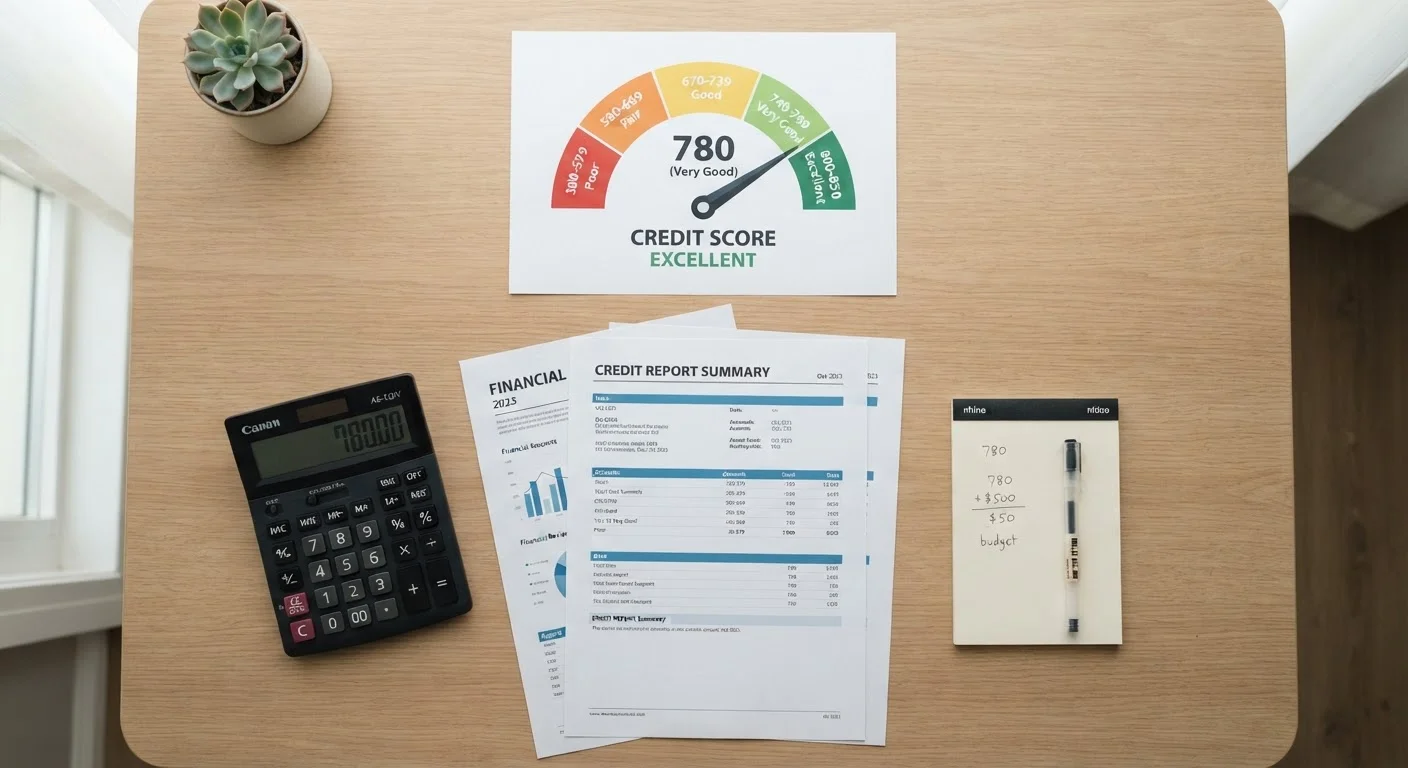
Photo credit: PrimeReads.net | Discover Insightful And Creative Blogs
In this article
Payment history, utilisation, account age: a clear breakdown of what shapes your credit score and which factors carry the most weight.
What Your Credit Score Is Actually Made Of
Your credit score isn't a mystery number - it's a calculated summary of specific behaviors tracked in your credit report. The most widely used scoring model, FICO, breaks your score into five weighted categories. Each one measures something distinct, and they don't all carry equal influence. Understanding this breakdown is the first step to improving your score deliberately rather than guessing.
Credit scores measure your borrowing reliability using information that lenders have reported about you - typically banks, credit card issuers, and loan servicers. The score condenses that history into a three-digit number, usually ranging from 300 to 850.
| Payment History Weight | 35% of FICO Score (FICO scoring model) |
| Credit Utilisation Weight | 30% of FICO Score (FICO scoring model) |
| Length of Credit History Weight | 15% of FICO Score (FICO scoring model) |
| Credit Mix Weight | 10% of FICO Score (FICO scoring model) |
| New Credit Weight | 10% of FICO Score (FICO scoring model) |
| Typical Score Range | 300 - 850 (FICO and VantageScore models) |
| Late Payment Reporting Window | Up to 7 years (Fair Credit Reporting Act (FCRA)) |
The Five Factors and How Much Each Weighs
Payment History - 35%
This is the single most important factor. It tracks whether you've paid your bills on time across all accounts - credit cards, mortgages, auto loans, student loans, and more. A single missed payment can meaningfully lower your score, especially if it's 30 or more days late. The impact fades over time, but late payments can remain on your report for up to seven years.
Credit Utilisation - 30%
Utilisation measures how much of your available revolving credit (primarily credit cards) you're currently using. For example, a $2,000 balance on a $10,000 credit limit equals 20% utilisation. Lower is generally better. Many credit professionals note that keeping utilisation below 30% is a common guideline, though lower ratios tend to support higher scores. Learn more in our article on why your credit utilisation ratio matters more than you might expect.
Length of Credit History - 15%
This factor considers the age of your oldest account, your newest account, and the average age of all accounts. A longer history gives lenders more data to assess your patterns. Closing old accounts can shorten your average credit age and reduce this component of your score.
Credit Mix - 10%
Lenders like to see that you can responsibly manage different types of credit - revolving accounts (credit cards, lines of credit) alongside installment loans (auto, mortgage, student). Having only one type isn't penalized severely, but a healthy mix can contribute positively. You shouldn't take on debt purely to diversify - the benefit is modest.
New Credit - 10%
When you apply for new credit, the lender typically performs a hard inquiry, which can temporarily lower your score by a few points. Opening several new accounts in a short period can signal financial stress to lenders and compound this effect. Rate shopping for a mortgage or auto loan within a short window (typically 14-45 days, depending on the model) is usually treated as a single inquiry.
Some borrowing habits quietly erode your credit without obvious warning signs - knowing the weight of each factor helps you spot them early.
Putting the Factors to Work
Because payment history and utilisation together account for roughly 65% of your FICO score, those two areas deserve the most consistent attention. Setting up autopay for at least the minimum payment protects your history. Paying down balances - or requesting a credit limit increase when appropriate - can meaningfully lower your utilisation ratio.
The remaining factors matter too, but they tend to improve naturally over time with responsible habits. Avoid closing old accounts without good reason, and think carefully before applying for multiple new accounts at once.
Your credit report contains the raw data behind your score - reviewing it regularly helps you catch errors that could be dragging your number down unfairly. You're entitled to free reports from each of the three major bureaus (Equifax, Experian, TransUnion) through AnnualCreditReport.com.
Credit scoring is also only part of what shapes borrowing outcomes. Lenders evaluate creditworthiness using factors beyond the score, including your income, existing debt load, and employment stability.
This article is for general informational purposes only and does not constitute personalized financial or legal advice. Consult a qualified financial professional for guidance specific to your situation.

Author
Money Editorial Team
Money Editorial Team is the collective byline for our editorial team and contributor network. Articles published under this byline or an editorial pen name are researched, written, and reviewed according to our editorial standards for clarity, consistency, and independence before publication.
View all articles →