
Emergency Funds and Budgets: How the Two Work Together
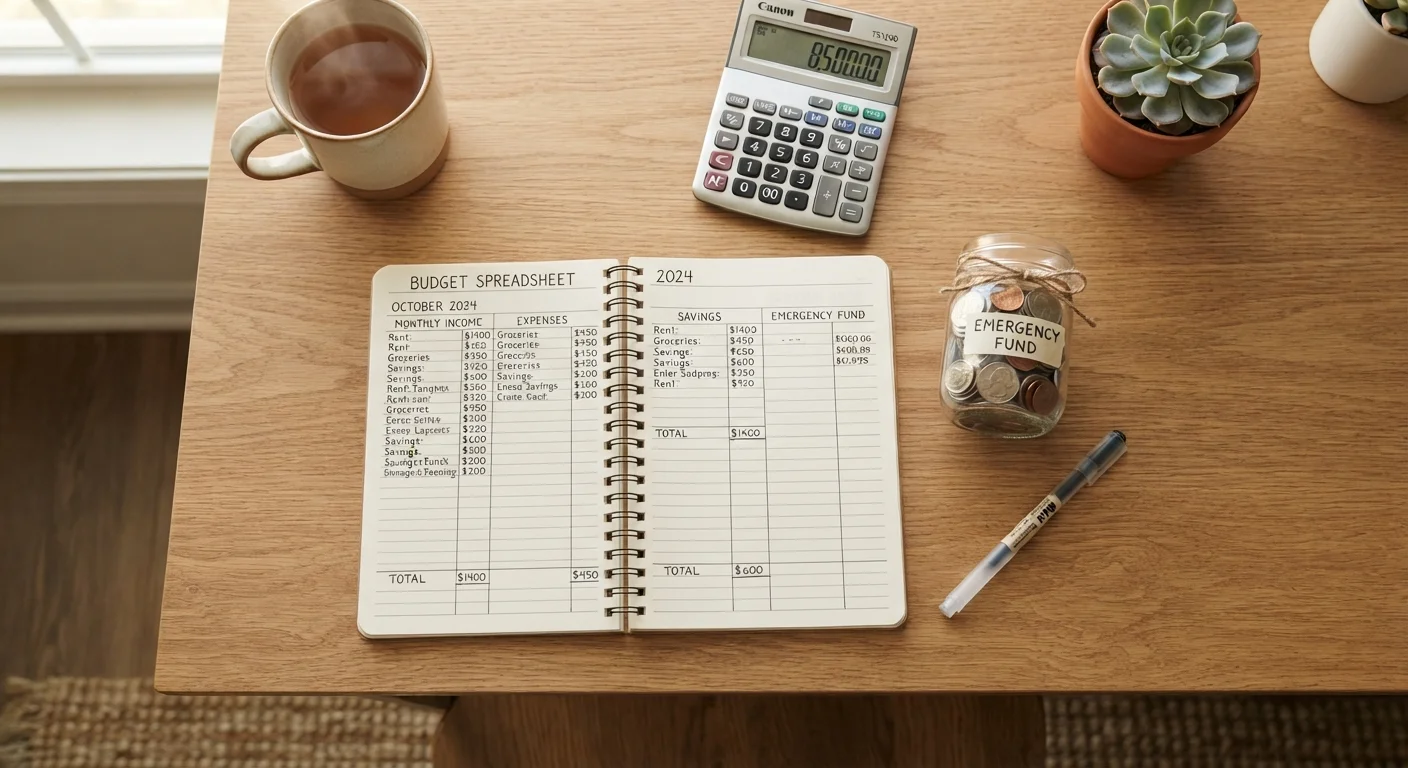
Photo credit: PrimeReads.net | Discover Insightful And Creative Blogs
In this article
An emergency fund isn't separate from your budget — it's part of it. This explainer covers how to build saving for the unexpected into monthly planning.
Key Takeaways
- An emergency fund contribution should appear as a named line item in every monthly budget.
- Treating the contribution as fixed - not variable - dramatically improves follow-through.
- Even small, consistent monthly amounts can build a meaningful safety net over time.
- Once the fund is fully built, that budget line can be redirected toward other financial goals.
- Accessing your emergency fund isn't a failure - budgeting for replenishment is the recovery plan.
Why Your Emergency Fund Belongs Inside Your Budget
Most people think of an emergency fund and a monthly budget as two separate financial tools. The emergency fund sits somewhere in a savings account, growing (or not) based on whatever happens to be left over. The budget, meanwhile, tracks income and spending. In practice, keeping them separate is exactly why many people never fully fund their safety net.
A budget is a plan for every dollar you earn. If emergency fund contributions aren't explicitly in that plan, they'll be crowded out by expenses that feel more immediate. The solution is straightforward: give the emergency fund its own line item, with a fixed monthly amount, the same way you would for rent or a phone bill.
For a broader grounding in how budgets work as a whole, Personal Budgeting from the Ground Up covers the core framework in plain terms.
Automate the Transfer on Payday
Set up an automatic transfer to your emergency fund account the same day - or day after - you get paid. This removes the decision entirely and prevents the money from blending into everyday spending. Even a small automatic transfer builds the habit and the balance over time.
How to Build the Contribution Into Your Monthly Plan
The mechanics are simple. When you set up or review your monthly budget, add a savings category specifically labeled for your emergency fund. Assign it a dollar amount - not a leftover amount. Then automate the transfer on or just after payday, so the money moves before your spending decisions begin.
If your budget is tight, start with whatever you can realistically sustain: $30, $50, $75 a month. The habit and the structure matter more than the size of the initial contribution. As your income grows or expenses drop, you can increase the contribution the same way you would any other budget line.
Building a Monthly Budget That Survives Contact with Real Life walks through how to structure a realistic monthly plan that accounts for irregular expenses alongside fixed savings goals.
~37%
Americans who couldn't cover a $400 emergency
According to the Federal Reserve's Report on the Economic Well-Being of U.S. Households, a significant share of adults would struggle to handle a modest unexpected expense without borrowing or selling something.
3-6 months
Commonly cited emergency fund target range
Most financial educators cite three to six months of essential living expenses as a general savings target, though individual circumstances vary widely.
What Happens When You Use the Fund - and How to Recover
An emergency fund is meant to be used. Drawing from it during a genuine crisis is not a budgeting failure - it's the system working as intended. What matters is what comes next.
Once you've tapped the fund, treat replenishment as a temporary budget priority. You might temporarily reduce discretionary spending categories - dining out, entertainment, subscriptions - and redirect that amount back into the emergency fund line until it's restored. Think of it as a short-term recovery plan built into the same budget that supported you during the emergency.
Understanding what qualifies as a true emergency - versus a planned irregular expense - is covered in depth in What an Emergency Fund Actually Is. And if you're still determining how large your fund should be, How Much Should Be in an Emergency Fund helps you work through the variables specific to your situation.
The Monthly Budget Setup Checklist is a practical tool for making sure emergency fund savings are built into your plan from the beginning - alongside all your other financial priorities.
This article is for general informational purposes only and does not constitute personalized financial advice. Consult a qualified financial professional for guidance tailored to your individual circumstances.
Frequently Asked Questions

Author
Money Editorial Team
Money Editorial Team is the collective byline for our editorial team and contributor network. Articles published under this byline or an editorial pen name are researched, written, and reviewed according to our editorial standards for clarity, consistency, and independence before publication.
View all articles →