
Small Space, Smarter Systems: Organization Approaches for Compact Homes
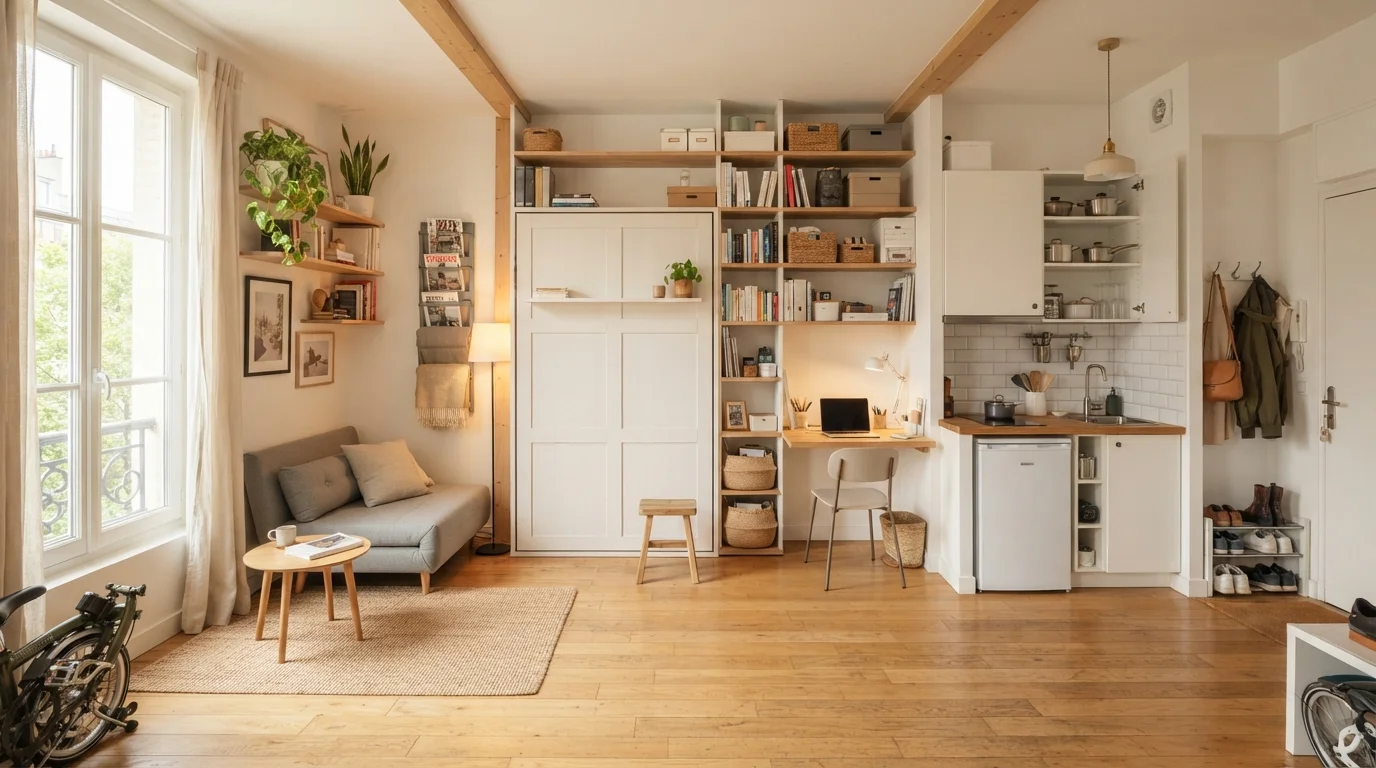
Photo credit: PrimeReads.net | Discover Insightful And Creative Blogs
In this article
Living in a smaller home doesn't mean settling for chaos. Explore strategies tailored to flats, studios, and compact houses.
Key Takeaways
- Vertical wall space is consistently underused in compact homes and offers significant storage gains.
- Defining zones for different activities reduces visual clutter and makes small spaces feel more intentional.
- One-in, one-out rules help prevent accumulation before it becomes a problem in space-constrained homes.
- Multi-functional furniture is one of the most practical investments for studios and small flats.
- Consistent daily habits matter more than periodic big-clean sessions in compact living situations.
Why Small Spaces Demand Smarter Systems
In a larger home, disorganization has room to hide - a junk drawer here, a cluttered spare bedroom there. In a compact flat or studio, every item is visible and every surface matters. That's not a disadvantage; it's an incentive to build systems that actually work from the ground up.
If you're new to thinking about your home organizationally, the foundational principles of home organization are a useful starting point before applying small-space-specific strategies. The tactics below are designed for readers already living in - or preparing for - a compact space who want approaches that hold up over time.
Core Practices for Compact Living
The following practices are grounded in the specific constraints of smaller homes: limited floor area, shared functions in single rooms, and the speed at which clutter compounds. Apply them in combination for the strongest results.
Choosing the Right Organizing Philosophy
Small-space organization isn't a single approach - it's a decision between different philosophies depending on your lifestyle. A minimalist approach emphasizes owning less so that systems require less maintenance. A zone-based approach carves out dedicated areas for each activity, even within a single room. Both have genuine merit. For a detailed comparison of how each philosophy works in practice, see our piece on minimalist vs. zone-based organizing.
In shared compact homes - where multiple people's habits intersect - the calculus shifts again. Systems need buy-in from everyone using the space, which adds a layer of negotiation that solo dwellers don't face. Organizing a home with multiple people explores that challenge specifically.
Making Organization Stick Long-Term
A reorganization session is only as valuable as the habits that follow it. In compact homes, entropy accelerates - there's simply less buffer space for things to drift before they cause friction. The most effective long-term approach is a short daily reset: a five-minute end-of-day pass to return items to their designated spots before displacement becomes ingrained.
Linking tidying to existing routines - putting things away while the coffee brews, or clearing surfaces before bed - removes the need for willpower. For a broader look at which habits consistently support an organized home over months and years, see habits that keep a home organized long-term.
The productivity and routines hub also offers frameworks for building consistent daily behaviors if you're looking to extend this thinking beyond your home environment.

Author
Living Editorial Team
Living Editorial Team is the collective byline for our editorial team and contributor network. Articles published under this byline or an editorial pen name are researched, written, and reviewed according to our editorial standards for clarity, consistency, and independence before publication.
View all articles →