
What Primary Care, Specialists, and Preventive Clinics Each Offer
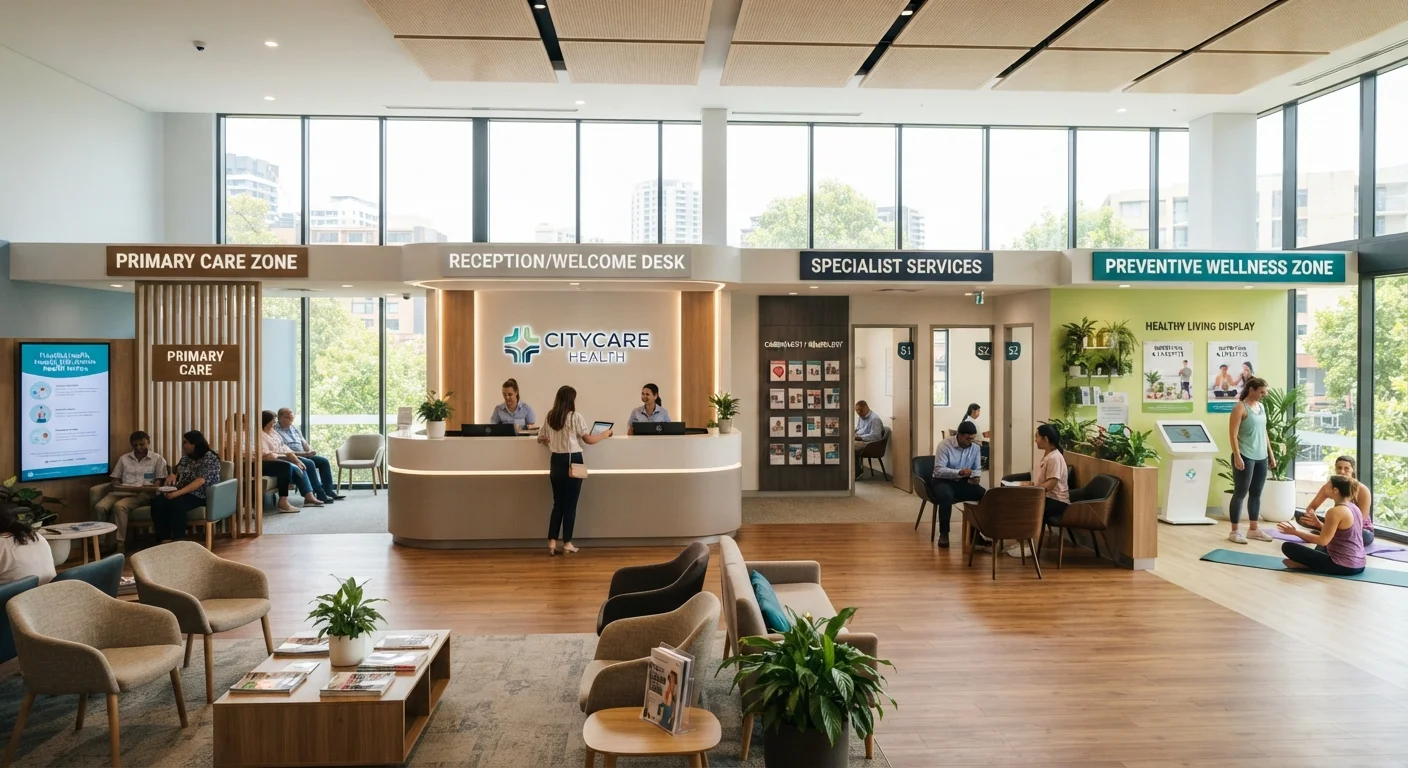
Photo credit: PrimeReads.net | Discover Insightful And Creative Blogs
In this article
How different types of healthcare providers approach preventive care differently, and what to expect when visiting each for a wellness appointment.
Key Takeaways
- Primary care providers serve as your first point of contact and coordinate your overall health picture.
- Specialists focus on specific organ systems or conditions and are typically accessed through referrals.
- Preventive clinics concentrate exclusively on screenings, risk assessments, and early detection before symptoms appear.
- Each provider type plays a distinct role - using all three strategically offers the most comprehensive approach to wellness.
- Insurance coverage varies significantly across provider types; verify your plan before scheduling appointments.
Primary Care: Your Health Home Base
A primary care provider (PCP) - whether a family medicine physician, internist, or nurse practitioner - functions as the central hub of your healthcare. They maintain your medical history across years and visits, which gives them a longitudinal view no single-visit clinic can replicate. This continuity is foundational for preventive care: patterns in your blood pressure, weight, or lab values only become meaningful when tracked over time.
During a standard annual wellness visit, your PCP will typically review your current medications, update immunizations, order age-appropriate screenings, and assess lifestyle factors like diet, sleep, and stress. They are also positioned to catch conditions that straddle multiple body systems - something a narrower specialist may not consider. For a detailed walkthrough of what these appointments involve, see Your Annual Wellness Visit: What to Expect and How to Prepare.
If you're new to thinking proactively about your health, starting with a PCP is generally the most practical first step. Getting Started With Preventive Health offers a useful primer on what to discuss in that initial conversation.
Specialists: Deep Expertise in Targeted Areas
Specialists - cardiologists, dermatologists, gastroenterologists, gynecologists, and others - bring highly focused training to a particular organ system or disease category. In a preventive context, they become relevant when your personal or family history places you at elevated risk for a specific condition, or when a screening result from your PCP warrants closer investigation.
A gastroenterologist, for instance, conducts colonoscopies that go well beyond what a PCP can perform in-office. A cardiologist can interpret stress tests and advanced lipid panels to stratify cardiovascular risk in ways that standard panels cannot. For individuals managing ongoing conditions, the preventive role of a specialist often overlaps with disease management - a distinction explored in detail in Preventive Care for People With Chronic Conditions.
Access to specialists typically requires a referral from a PCP, and wait times can be significant depending on your location and the specialty. Insurance pre-authorization is common. Understanding these logistics before you need urgent specialist input makes the process considerably less stressful.
| Primary Care | Specialist | Preventive Clinic | |
|---|---|---|---|
| Primary focus | Whole-person, ongoing care | Specific organ or condition | Early detection and risk profiling |
| Access | Direct scheduling | Usually requires referral | Direct scheduling, often fee-based |
| Visit frequency | Annually or as needed | As clinically indicated | Annually or every few years |
| Insurance coverage | Widely covered | Varies; pre-auth common | Partial; some out-of-pocket |
| Best preventive use | Routine screenings, coordination | Targeted high-risk screening | Comprehensive wellness audit |
| Continuity of care | High - tracks history over time | Moderate - condition-specific | Low - periodic snapshots |
Preventive Clinics: Purpose-Built for Early Detection
Preventive or executive health clinics occupy a distinct space in the care ecosystem. Unlike a PCP visit - where preventive tasks often share time with acute concerns - these clinics dedicate entire appointments to comprehensive wellness assessments. Services commonly include advanced imaging, detailed laboratory panels, body composition analysis, cardiovascular risk scoring, and mental health screening in a single coordinated visit.
Some preventive clinics offer expanded testing not routinely covered by standard insurance, such as coronary artery calcium scoring or whole-body MRI screenings. It's worth noting that the clinical evidence for some of these expanded tests varies, and unnecessary imaging can occasionally lead to incidental findings that trigger further - sometimes unnecessary - follow-up procedures. Always discuss the clinical rationale for any test with a qualified provider before proceeding.
Preventive clinics can be especially valuable for individuals who travel frequently, have high-pressure careers that limit routine care, or simply want a concentrated annual health audit. The screening priorities you encounter there will also shift across decades of life - an insight unpacked in Preventive Care From Your 20s to Your 60s.
Choosing the Right Mix for Your Health Goals
These three provider types are not in competition - they are complementary. A practical preventive strategy often looks like this: a PCP anchors routine care and coordinates referrals, specialists address specific risk factors or screening gaps, and a preventive clinic provides periodic deep-dive assessments that neither of the other two settings routinely offers.
The common thread holding this together is consistency. Research consistently associates delayed or skipped preventive appointments with later-stage diagnoses and higher long-term health costs - a pattern examined in Why People Skip Preventive Appointments. Building relationships with providers across these settings - rather than defaulting to urgent care when something goes wrong - is one of the most durable investments in long-term health available to most Americans.
If you're unsure where to begin, physical health resources can help you frame your priorities before your first appointment. And for those who also want to address emotional wellbeing alongside physical screenings, mental health screening is increasingly integrated into preventive visits - a topic connected to broader mental wellness strategies.
This article is for general informational and educational purposes only and is not a substitute for professional medical advice, diagnosis, or treatment. Always consult a qualified healthcare provider regarding your individual health circumstances.

Author
Health Editorial Team
Health Editorial Team is the collective byline for our editorial team and contributor network. Articles published under this byline or an editorial pen name are researched, written, and reviewed according to our editorial standards for clarity, consistency, and independence before publication.
View all articles →