
Why People Skip Preventive Appointments - and What That Costs Long-Term
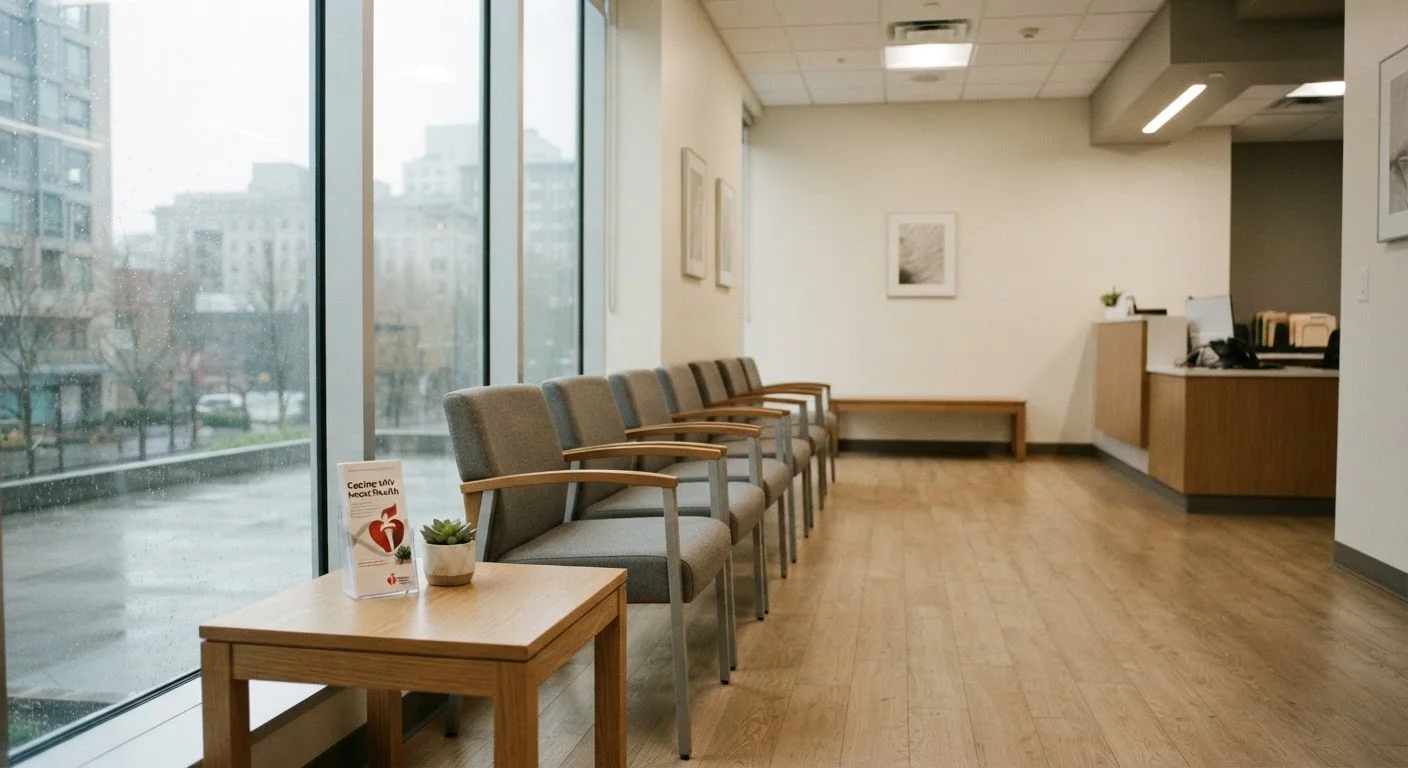
Photo credit: PrimeReads.net | Discover Insightful And Creative Blogs
In this article
Exploring the common reasons preventive care gets postponed, and the health consequences that can follow when early detection is missed.
Key Takeaways
- Most people skip preventive care due to cost concerns, time constraints, or the false belief that feeling well means being healthy.
- Conditions like hypertension, diabetes, and certain cancers often develop without noticeable symptoms until they're advanced.
- Early detection through routine screenings is generally associated with better treatment outcomes and lower overall healthcare costs.
- Structural barriers like insurance confusion and scheduling difficulty can be addressed with specific, practical strategies.
- Preventive care is not a one-size-fits-all schedule - your age, family history, and existing conditions all shape what you need.
The Gap Between Intention and Action
Most Americans say they value their health - yet preventive appointments are among the most commonly skipped items in adult healthcare. Annual physicals, blood pressure checks, cancer screenings, and dental exams get pushed to the bottom of the priority list year after year. Understanding why this happens is the first step toward changing the pattern.
Preventive care works precisely because it catches problems before symptoms appear. But that same feature - invisibility - is also what makes it easy to deprioritize. When nothing feels wrong, an appointment can feel unnecessary. This is a cognitive trap with real medical consequences. If you're new to thinking about preventive health, our practical introduction to preventive health can help you understand where to begin.
Common Mistakes That Lead to Skipped Care
The reasons people avoid preventive appointments are varied, but they tend to cluster around a predictable set of patterns. Recognizing these mistakes - and understanding why they happen - makes it easier to course-correct before a missed screening becomes a missed diagnosis.
Assuming that feeling healthy means no appointment is needed.
Why it happens: Many serious conditions - including hypertension, high cholesterol, prediabetes, and early-stage cancers - produce no noticeable symptoms for years. Feeling well can create a false sense of security.
Postponing care because of concerns about cost or insurance complexity.
Why it happens: Healthcare billing in the U.S. is genuinely confusing. Many people assume preventive visits carry high out-of-pocket costs, when in fact many are covered at no cost-sharing under qualifying plans.
Letting a busy schedule become a permanent barrier to booking appointments.
Why it happens: Modern schedules are genuinely demanding, and preventive care often feels less urgent than other commitments. Appointments get delayed once, then repeatedly, until months or years pass.
Avoiding preventive appointments due to fear of what might be discovered.
Why it happens: Anxiety about a potential diagnosis - sometimes called "medical avoidance" - is a well-documented psychological response. The fear of bad news can feel more manageable than the possibility of receiving it.
Not knowing which screenings are appropriate for your age, sex, or risk profile.
Why it happens: Preventive care isn't a single universal checklist. Recommendations differ based on age, biological sex, family history, and existing conditions - and without guidance, it's easy to assume nothing applies to you yet.
For people managing existing conditions, the stakes are even higher. Routine preventive priorities shift when chronic conditions are involved - something explored in more depth in our article on preventive care for people with chronic conditions.
What Delayed Detection Can Cost
80%
Of premature heart disease cases potentially preventable
The World Health Organization has estimated that a large majority of premature cardiovascular disease cases could be prevented through lifestyle and early clinical intervention.
5-year survival rate: 99%
Localized breast cancer detected early
According to the American Cancer Society, breast cancer caught at a localized stage has a five-year relative survival rate of approximately 99%, compared to 29% for distant-stage disease.
1 in 3
U.S. adults with undiagnosed prediabetes
The CDC estimates that roughly 98 million American adults have prediabetes, and more than 80% of them are unaware of their condition - making routine blood glucose screening especially important.
The phrase "preventive care saves money" is often repeated, but the mechanism is worth understanding. When a condition is caught early - before it has progressed - treatment is typically less intensive, less prolonged, and less disruptive to daily life. A flagged blood sugar reading in a routine panel, for example, may prompt lifestyle guidance and monitoring. The same underlying issue, left undetected for years, can evolve into full diabetes with associated complications affecting kidneys, vision, and cardiovascular health.
Beyond direct health outcomes, skipped screenings can mean that insurance-covered services go unused. Most comprehensive health plans in the U.S. are required to cover a defined set of preventive services at no cost-sharing when provided by in-network providers - though coverage specifics vary. Not using those services doesn't reduce what you pay in premiums. To understand what routine screenings involve and when they're typically recommended, see our overview of annual health screenings and why timing matters.
This article is for general health information and educational purposes only. It is not a substitute for professional medical advice, diagnosis, or treatment. Always consult a qualified healthcare provider regarding your personal health situation, symptoms, or before making any healthcare decisions.

Author
Health Editorial Team
Health Editorial Team is the collective byline for our editorial team and contributor network. Articles published under this byline or an editorial pen name are researched, written, and reviewed according to our editorial standards for clarity, consistency, and independence before publication.
View all articles →