
Blood Pressure vs. Cholesterol Checks: Understanding Two Cornerstones of Heart Health Screening
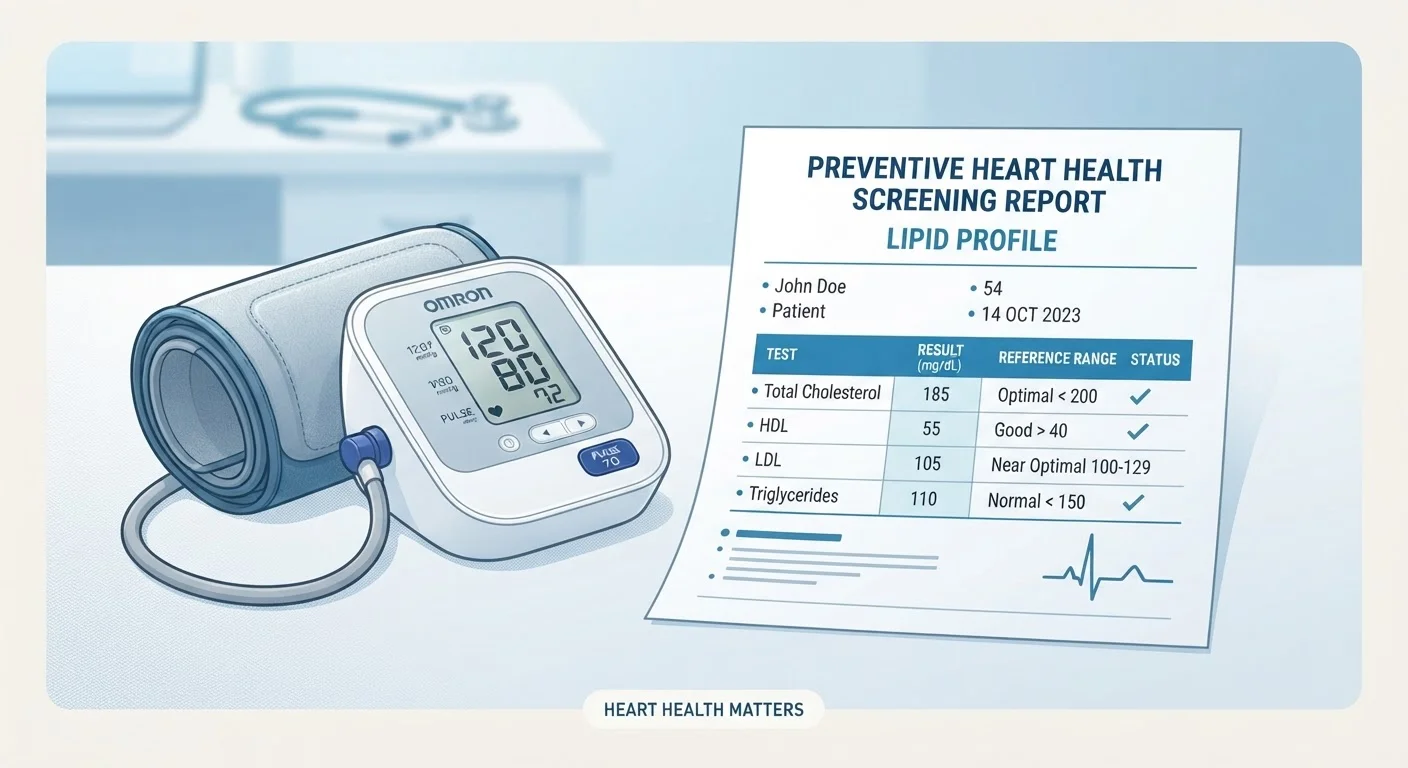
Photo credit: PrimeReads.net | Discover Insightful And Creative Blogs
In this article
How blood pressure and cholesterol screenings work, what each measures, and why both are used together to assess cardiovascular risk.
Key Takeaways
- Blood pressure screening is non-invasive and can be done in minutes with no preparation required.
- A cholesterol check requires a blood draw and often fasting beforehand; it measures multiple lipid values.
- Both screenings can reveal significant cardiovascular risk even when a person feels completely healthy.
- Neither test alone provides a complete cardiovascular risk picture - clinicians typically use both together.
- Screening frequency depends on age, family history, and existing health conditions.
- Always discuss your results with a qualified healthcare professional before drawing conclusions.
What Each Screening Actually Measures
Blood pressure screening measures the force that blood exerts against artery walls as the heart pumps. The result is expressed as two numbers: systolic pressure (the force during a heartbeat) over diastolic pressure (the force between beats), recorded in millimeters of mercury (mmHg). A cuff placed around the upper arm inflates and deflates to capture these values - no needles, no laboratory, no waiting.
A cholesterol check, formally called a lipid panel or lipid profile, requires a small blood sample analyzed in a laboratory. It measures several distinct values: total cholesterol, low-density lipoprotein (LDL, often called "bad" cholesterol), high-density lipoprotein (HDL, often called "good" cholesterol), and triglycerides. Some panels also calculate a non-HDL cholesterol figure. Many providers ask patients to fast for nine to twelve hours beforehand, though some newer guidelines indicate non-fasting panels are acceptable for initial screening in certain populations - your clinician will advise.
Understanding what each test measures helps clarify why one cannot replace the other. Blood pressure reflects a mechanical and circulatory dynamic; a lipid panel reflects the biochemical environment of the bloodstream. Both contribute independently to cardiovascular risk. As part of your broader preventive strategy, see our guide to annual health screenings for context on how these tests fit into a routine schedule.
Head-to-Head: How the Two Screenings Compare
The table below contrasts the two screenings across the dimensions most relevant to everyday consumers planning their preventive care.
| Criterion | Blood Pressure Screening | Cholesterol Check (Lipid Panel) |
|---|---|---|
| Method | Inflatable cuff on upper arm | Blood draw, laboratory analysis |
| Fasting required | No | Often yes (9-12 hours) |
| Time to result | Immediate (seconds) | Hours to days (lab turnaround) |
| What it detects | Hypertension, hypotension | High LDL, low HDL, high triglycerides |
| Symptom visibility | Often none - "silent" condition | Typically none - silent condition |
| Result variability | Can vary significantly day-to-day | Relatively stable short-term |
| Typical starting age | 18 years and older | Varies; often mid-30s to mid-40s |
| Accessible outside clinic | Yes - pharmacy kiosks, home monitors | Limited - lab or clinic required |
One practical distinction worth emphasizing: blood pressure readings can vary significantly depending on time of day, recent activity, caffeine intake, and even emotional state - a phenomenon sometimes called white coat hypertension. A single elevated reading does not confirm hypertension; clinicians typically look for consistently elevated readings across multiple occasions. Lipid values, by contrast, are more stable day-to-day, though they can shift meaningfully over weeks with changes in diet or physical activity.
Why Both Screenings Are Used Together
High blood pressure and abnormal cholesterol levels are both independent risk factors for cardiovascular disease - but they also interact. Elevated LDL cholesterol contributes to plaque buildup in artery walls (atherosclerosis), and high blood pressure accelerates damage to those same walls, making them more vulnerable to that plaque. When both conditions are present simultaneously, cardiovascular risk rises more than either factor would suggest in isolation.
Most clinical risk calculators used by physicians - such as the pooled cohort equations endorsed by major cardiovascular societies - incorporate both systolic blood pressure and cholesterol values alongside age, sex, and smoking status to estimate a person's ten-year risk of a cardiovascular event. This is why a clinician who receives an elevated blood pressure reading will often order a lipid panel as a natural next step, and vice versa.
~47%
U.S. adults with hypertension
The CDC estimates nearly half of U.S. adults have high blood pressure, yet many are unaware because it causes no obvious symptoms.
~12%
U.S. adults with high total cholesterol
According to CDC data, approximately 1 in 8 American adults has total cholesterol levels considered elevated, a key modifiable cardiovascular risk factor.
80%
Cardiovascular events potentially preventable
Public health researchers broadly estimate that a large proportion of heart attacks and strokes involve addressable risk factors such as hypertension and dyslipidemia.
For individuals managing existing conditions such as diabetes or prior heart disease, the interplay between these two markers becomes even more clinically significant. Our article on preventive care for people with chronic conditions explores how comorbidities affect recommended screening priorities.
Screening Frequency and Who Should Be Checked
Guidelines on screening frequency are issued by bodies such as the U.S. Preventive Services Task Force (USPSTF) and major cardiology associations. General patterns include:
- Blood pressure: Adults aged 18 and older are generally advised to have blood pressure checked regularly. Those with normal readings and no risk factors may be screened every one to two years; those with elevated readings or risk factors are typically monitored more frequently.
- Cholesterol (lipid panel): Most guidelines recommend an initial lipid panel for adults around age 35 for men and 45 for women with average risk, with earlier screening - sometimes beginning in the early twenties - for those with family history of early heart disease, obesity, diabetes, or smoking history.
Children and adolescents with family history of high cholesterol or early cardiovascular disease may also be screened; a pediatrician or family physician can advise on timing. Special population considerations - including pregnancy and older adulthood - warrant individualized guidance. The health screenings checklist for adults offers a structured overview of commonly recommended checks by age group. For sex-specific guidance, see our overviews for women's preventive screenings and men's preventive screenings.
This article is for general informational and educational purposes only and does not constitute medical advice. Always consult a qualified healthcare professional for guidance specific to your health history and circumstances.

Author
Health Editorial Team
Health Editorial Team is the collective byline for our editorial team and contributor network. Articles published under this byline or an editorial pen name are researched, written, and reviewed according to our editorial standards for clarity, consistency, and independence before publication.
View all articles →