
Health Screenings Checklist for Adults: What to Track and When
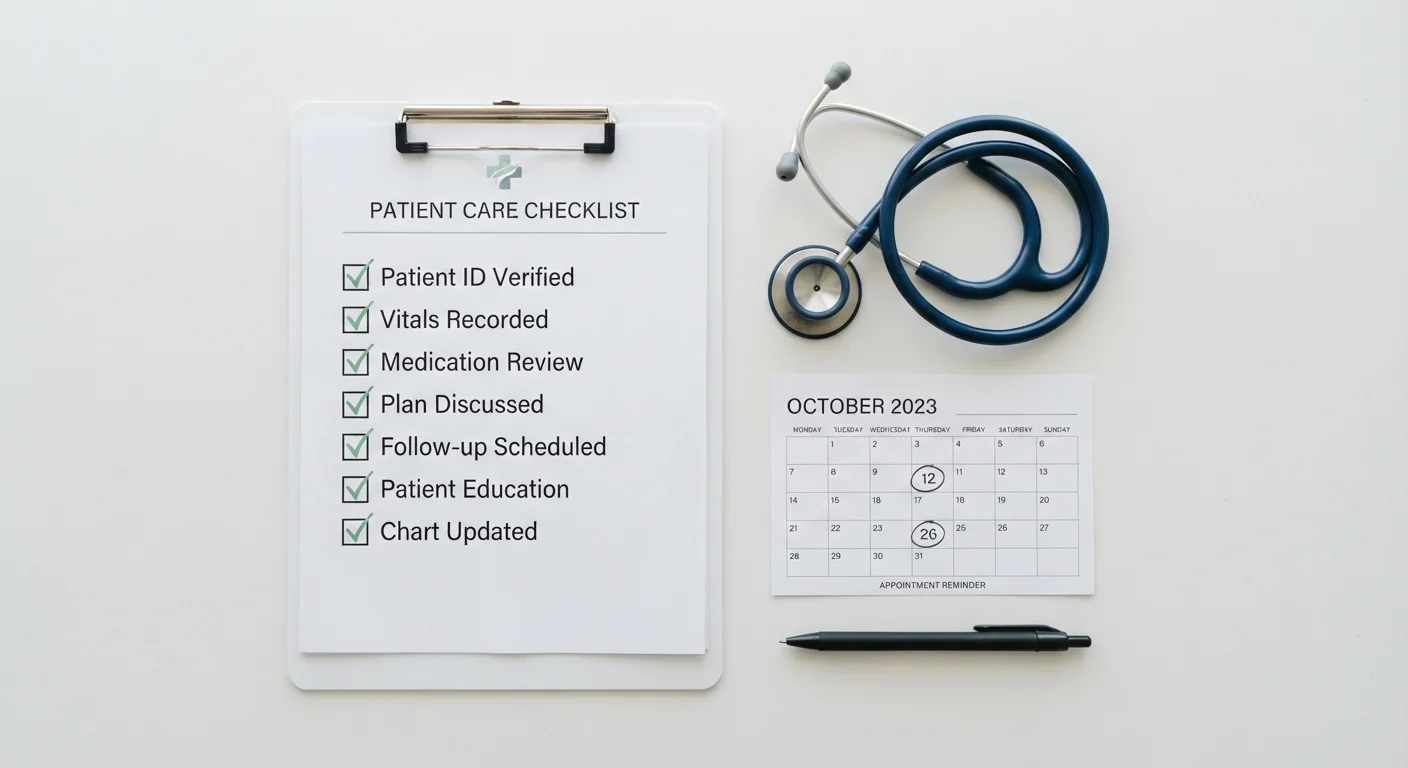
Photo credit: PrimeReads.net | Discover Insightful And Creative Blogs
A structured checklist covering commonly recommended screenings by age group — to help you track what's due and start an informed conversation with your doctor.
Key Takeaways
- Many serious conditions are more treatable when caught early through routine screening.
- Recommended screening frequency varies by age, sex, family history, and personal risk factors.
- Your primary care provider is the best person to tailor a screening schedule to your situation.
- Some screenings apply broadly to all adults; others are specific to certain populations.
- Keeping a personal health record helps you track what's been done and what's coming due.
Why a Screening Checklist Matters
Preventive health screenings are one of the most evidence-supported tools for catching conditions - from high blood pressure to certain cancers - before symptoms appear. Yet many adults aren't sure which tests apply to them, how often to get them, or what questions to ask their doctor.
This checklist is designed to help you take stock of commonly recommended screenings by category and age range. It is not a substitute for personalized medical advice - your provider will factor in your individual history, risk profile, and current guidelines to set the right schedule for you. Think of this as a conversation-starter and a personal tracking tool.
For a deeper look at how screenings differ from diagnostic tests and why timing matters, see our guide to annual health screenings. And if you have a chronic condition such as diabetes or hypertension, review our article on preventive care for people with chronic conditions, as your recommended frequencies may differ significantly.
Cardiovascular Health
Metabolic and Blood Sugar
Cancer Screenings
Vision and Hearing
Bone and Musculoskeletal Health
Mental and Behavioral Health
Infectious Disease and Immunity
Tools and Records to Have Ready
Working through this checklist is more effective when you have the right information at hand. Before your next appointment, gather what you can from the list below.
Personal health record or medical history summary
Allows you to track past screening dates, results, and flagged follow-ups to bring to appointments.
Family health history notes
Helps your provider identify hereditary risk factors that may move certain screenings earlier or make them more frequent.
Insurance or benefits summary
Clarifies which preventive screenings are covered under your plan so you can plan accordingly.
List of current medications and supplements
Some screenings - such as cholesterol or blood sugar tests - can be affected by medications, so your provider needs an accurate picture.
Calendar or health tracking app
Helps you set reminders for recurring screenings so none fall through the cracks between annual visits.
If you're unsure which screenings apply specifically to you based on your sex assigned at birth or gender identity, explore our dedicated overviews: preventive screenings for women and preventive screenings for men. For a life-stage perspective, our decade-by-decade preventive care overview maps out how priorities shift from your 20s onward.
This Checklist Does Not Replace Your Doctor
Guidelines from major health organizations provide population-level recommendations, but your provider will personalize your screening schedule based on your age, sex, medical history, family history, and lifestyle. If something on this list doesn't match what your doctor has advised, follow your doctor's guidance. Always consult a qualified healthcare professional before making decisions about your care.
Don't overlook vaccinations as part of your preventive picture. Adult immunizations are updated periodically and often go untracked. See vaccinations for adults for a factual overview of commonly recommended shots and booster schedules.
This article is for general informational and educational purposes only and does not constitute medical advice. Always consult a qualified healthcare professional for guidance tailored to your personal health situation.

Author
Health Editorial Team
Health Editorial Team is the collective byline for our editorial team and contributor network. Articles published under this byline or an editorial pen name are researched, written, and reviewed according to our editorial standards for clarity, consistency, and independence before publication.
View all articles →