
Mindfulness vs. Meditation: Two Practices That Are Easy to Confuse
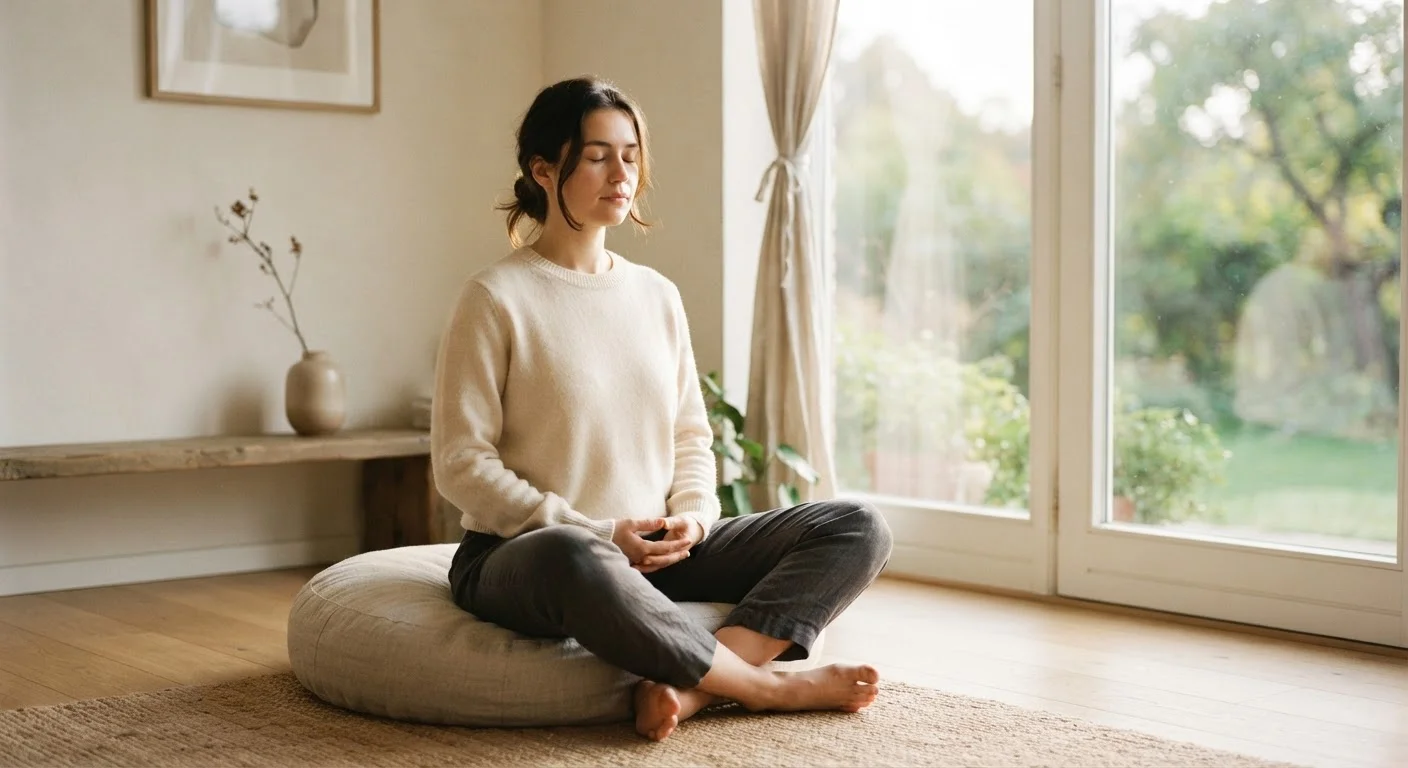
Photo credit: PrimeReads.net | Discover Insightful And Creative Blogs
In this article
Mindfulness and meditation are related but distinct. This side-by-side breakdown clarifies what each involves and how they support mental wellness differently.
Key Takeaways
- Mindfulness is a quality of awareness; meditation is a formal practice used to cultivate it.
- You can be mindful without meditating, but meditation often strengthens mindfulness over time.
- Neither requires special equipment, religious belief, or prior experience to begin.
- Research suggests both practices are associated with reductions in perceived stress and anxiety.
- Consulting a mental health professional is advisable if you're managing a diagnosed condition.
What Each Practice Actually Is
The terms mindfulness and meditation are often used interchangeably, but they describe two different things. Understanding the distinction helps you choose what actually fits your life - and set realistic expectations for either path.
Mindfulness is a mental state: the practice of paying deliberate, non-judgmental attention to the present moment. It can happen anywhere - while washing dishes, sitting in traffic, or having a conversation. It doesn't require you to stop what you're doing; it asks you to fully inhabit what you're already doing.
Meditation is a formal practice: a structured exercise, typically performed at a set time and place, in which you deliberately train attention or awareness. It has a start, a method (such as focusing on the breath, repeating a phrase, or observing thoughts), and an end. Many forms of meditation cultivate mindfulness, but some target other states - such as loving-kindness, visualization, or deep relaxation.
A useful shorthand: mindfulness is a quality of attention; meditation is a method of training. You can be mindful without meditating, and you can meditate in ways that build mindfulness over time. To learn more about the broader language of mental wellness, see common mental health terms explained.
How They Compare Side by Side
Breaking down both practices across practical dimensions makes the differences concrete and easier to act on.
| Criterion | Mindfulness | Meditation |
|---|---|---|
| What it is | A quality of present-moment awareness | A structured mental training practice |
| When it happens | Anytime, during daily activities | During a dedicated, set-aside session |
| Time required | No fixed time block needed | Typically 5-30 minutes per session |
| Equipment or setting | None required | Quiet space helpful; no equipment needed |
| Skill curve | Immediately accessible | Builds progressively with consistency |
| Common forms | Mindful eating, walking, listening | Breath focus, body scan, loving-kindness |
| Relationship to the other | Can be strengthened through meditation | Often cultivates mindfulness as an outcome |
One notable contrast is flexibility. Mindfulness integrates into existing routines with almost no friction - a brief pause at your desk, a conscious breath before a meeting. Meditation, by contrast, generally works best with consistency: a dedicated time slot, a quiet space, and a chosen technique practiced repeatedly over days or weeks.
This doesn't make one superior. Many practitioners find that a regular meditation habit sharpens their capacity for mindfulness throughout the day - the two practices reinforce each other rather than compete.
What the Research Suggests
A substantial body of research has examined both practices, though it's worth noting that study quality varies and most findings reflect associations rather than guaranteed outcomes for individuals.
~200+
Randomized trials on mindfulness-based programs
A 2014 JAMA Internal Medicine meta-analysis reviewed over 200 randomized trials and found moderate evidence that mindfulness meditation programs improved anxiety, depression, and pain.
8 weeks
Typical MBSR program duration
Mindfulness-Based Stress Reduction (MBSR), one of the most studied programs, is structured as an 8-week course with weekly group sessions and daily home practice.
14%
U.S. adults reporting meditation practice
According to the CDC's National Health Interview Survey, approximately 14% of U.S. adults reported practicing meditation in recent years, up from around 4% in 2012.
Mindfulness-based interventions - including Mindfulness-Based Stress Reduction (MBSR), developed at the University of Massachusetts Medical School - have been studied extensively in clinical and non-clinical populations. Reviews suggest these programs are associated with reductions in self-reported stress and anxiety. Similarly, various forms of meditation, including breath-focused and loving-kindness practices, have been linked in research to improvements in emotional regulation and attentional control.
It's important to approach these findings with appropriate nuance. Research contexts differ from real-world practice, effects vary between individuals, and neither mindfulness nor meditation replaces professional mental health care. If you're navigating a diagnosed mental health condition, speak with a qualified healthcare provider before relying on either practice as a primary approach. For a grounding introduction to emotional wellness, understanding your emotions is a useful starting point.
Choosing a Starting Point - or Combining Both
If you're new to either practice, the simplest entry point is informal mindfulness: choose one routine activity - a morning cup of coffee, a short walk, a few minutes before sleep - and commit to engaging with it fully. Notice sensations, sounds, and thoughts without immediately reacting to them. That's it.
If you want more structure, guided meditation is widely available through apps, community centers, and healthcare settings. Starting with short sessions (five to ten minutes) of breath-focused practice tends to be accessible for most adults without prior experience.
For those interested in how either practice might support sleep quality, the relationship between sleep and mental health offers relevant context. And if you're curious how present-moment awareness connects to focused, productive thinking, deep work vs. shallow work explores adjacent ideas in a productivity context.
Neither practice demands perfection. Consistency - even imperfect and intermittent - is what most practitioners and clinicians describe as more important than duration or technique precision.
This article is for general informational and educational purposes only and does not constitute medical or mental health advice. Always consult a qualified healthcare professional for guidance specific to your individual health needs.

Author
Health Editorial Team
Health Editorial Team is the collective byline for our editorial team and contributor network. Articles published under this byline or an editorial pen name are researched, written, and reviewed according to our editorial standards for clarity, consistency, and independence before publication.
View all articles →