
The Mediterranean Diet: What It Actually Looks Like on a Plate
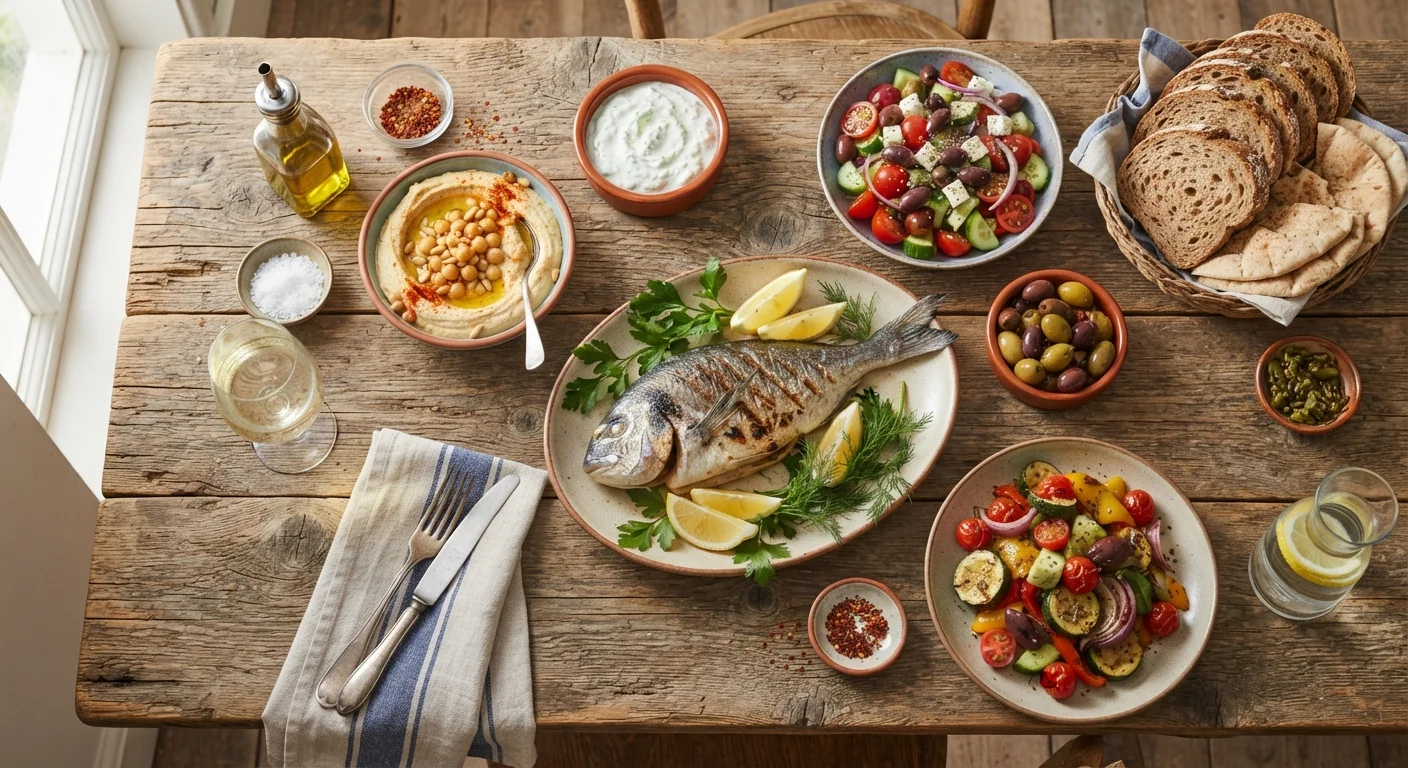
Photo credit: PrimeReads.net | Discover Insightful And Creative Blogs
In this article
Beyond olive oil and fish, here's what the Mediterranean dietary pattern really involves — and what the evidence says about it.
Key Takeaways
- Plants - not fish or olive oil alone - form the true foundation of the Mediterranean eating pattern.
- The pattern is associated with reduced cardiovascular risk in large observational and clinical studies.
- Red meat, refined grains, and added sugars are consumed minimally, not eliminated entirely.
- Shared meals and minimal processing are cultural elements researchers consider part of the pattern's benefit.
- No single 'Mediterranean' country or cuisine perfectly defines the diet - it is a regional archetype.
What the Pattern Actually Emphasizes
Despite being shorthandled as "olive oil and fish," the Mediterranean dietary pattern is overwhelmingly plant-centered. Vegetables, legumes (lentils, chickpeas, beans), whole grains, fruits, nuts, and seeds make up the bulk of daily eating. Olive oil - specifically extra-virgin - serves as the primary cooking fat and dressing. Fish and seafood appear several times per week; poultry, eggs, and dairy appear in moderate amounts. Red meat is a peripheral ingredient, typically consumed only a few times per month in traditional versions of the pattern.
This hierarchy matters. In population studies and the landmark PREDIMED trial - a large randomized clinical trial conducted in Spain - it was the density of plant foods and olive oil, not seafood alone, that correlated most strongly with health outcomes. The pattern is also characterized by minimal reliance on ultra-processed foods, refined grains, and foods with significant added sugar.
For broader context on how this fits alongside other evidence-backed eating approaches, see dietary patterns that appear in longevity research.
~30%
Reduction in cardiovascular events in PREDIMED trial
The PREDIMED trial (New England Journal of Medicine, 2013; revised 2018) found roughly a 30% relative risk reduction in major cardiovascular events among Mediterranean diet groups versus a control diet.
7+ servings
Daily vegetable and fruit servings in traditional pattern
Traditional Mediterranean dietary scoring tools typically associate high adherence with seven or more combined daily servings of vegetables and fruit, well above typical US intake levels.
< 2 times/month
Typical red meat frequency in traditional adherence
Mediterranean Diet Score frameworks generally classify high adherence as consuming red and processed meat fewer than two times per month, compared to the much higher US average.
A Typical Day on the Mediterranean Pattern
Translating the pattern to a daily plate in the United States looks something like this: breakfast might be Greek yogurt with walnuts and fruit, or eggs with sautéed greens in olive oil. Lunch could center on a large bean or lentil salad with plenty of raw vegetables, whole grain bread, and an olive-oil-based dressing. Dinner typically features a moderate portion of grilled fish or chicken alongside roasted vegetables, a grain like farro or bulgur, and perhaps a small portion of cheese.
Snacks lean toward a handful of nuts, fresh fruit, or hummus with raw vegetables. The pattern is low in packaged snack foods. Herbs and spices - garlic, oregano, rosemary, cumin - do most of the flavoring work that salt and processed sauces handle in many Western diets.
Understanding what a balanced diet actually means can help frame where the Mediterranean pattern fits within broader nutrition principles.
What the Evidence Actually Shows
The Mediterranean diet is one of the most studied dietary patterns in nutritional epidemiology. Evidence consistently links adherence to reduced risk of cardiovascular disease, type 2 diabetes, and certain metabolic conditions. The PREDIMED trial found meaningful reductions in major cardiovascular events among high-risk adults following a Mediterranean diet supplemented with olive oil or nuts compared to a lower-fat control diet - though later re-analysis revised some statistical details while leaving the directional findings intact.
Observational studies also associate the pattern with lower all-cause mortality and markers of inflammation. However, it is important to note that much of the research is observational, meaning it identifies associations rather than proving direct causation. Isolating any single dietary pattern's effect from lifestyle factors - activity, stress, food culture, social eating - is methodologically challenging.
“No single food or nutrient makes a diet healthy or unhealthy - it is the overall pattern of eating, sustained over time, that matters most in population health research.”
— Walter Willett, Professor of Epidemiology and Nutrition, Harvard T.H. Chan School of Public Health
For a comparison with another evidence-examined pattern, the paleo diet takes a different philosophical and practical approach to food selection.
Practical Adoption Without Overhauling Your Kitchen
Adopting Mediterranean-style eating does not require buying specialty imports or dismantling existing habits overnight. A few durable shifts tend to have the most practical impact: replacing butter or seed oils with extra-virgin olive oil as the default cooking fat; anchoring at least one meal daily around a legume or substantial vegetable dish; choosing whole grains (oats, barley, whole wheat bread) over refined alternatives; and reducing red meat to a garnish rather than a centerpiece.
Canned fish - sardines, tuna, salmon - makes the seafood component both accessible and affordable. Dried or canned legumes are among the most cost-effective protein sources available. Getting enough vegetables is a consistent challenge across dietary patterns; the Mediterranean approach provides a clear structural framework for closing that gap.
The habits that appear in long-term healthy eaters research also suggests that gradual substitution - rather than wholesale elimination - supports dietary changes that actually stick over time.
This article provides general nutrition information and is not a substitute for personalized medical or dietary advice. Consult a registered dietitian or qualified healthcare professional before making significant dietary changes, especially if you have an existing health condition.
Frequently Asked Questions

Author
Food Editorial Team
Food Editorial Team is the collective byline for our editorial team and contributor network. Articles published under this byline or an editorial pen name are researched, written, and reviewed according to our editorial standards for clarity, consistency, and independence before publication.
View all articles →