
Understanding Road Tax, MOT, and Registration: A Plain-English Overview
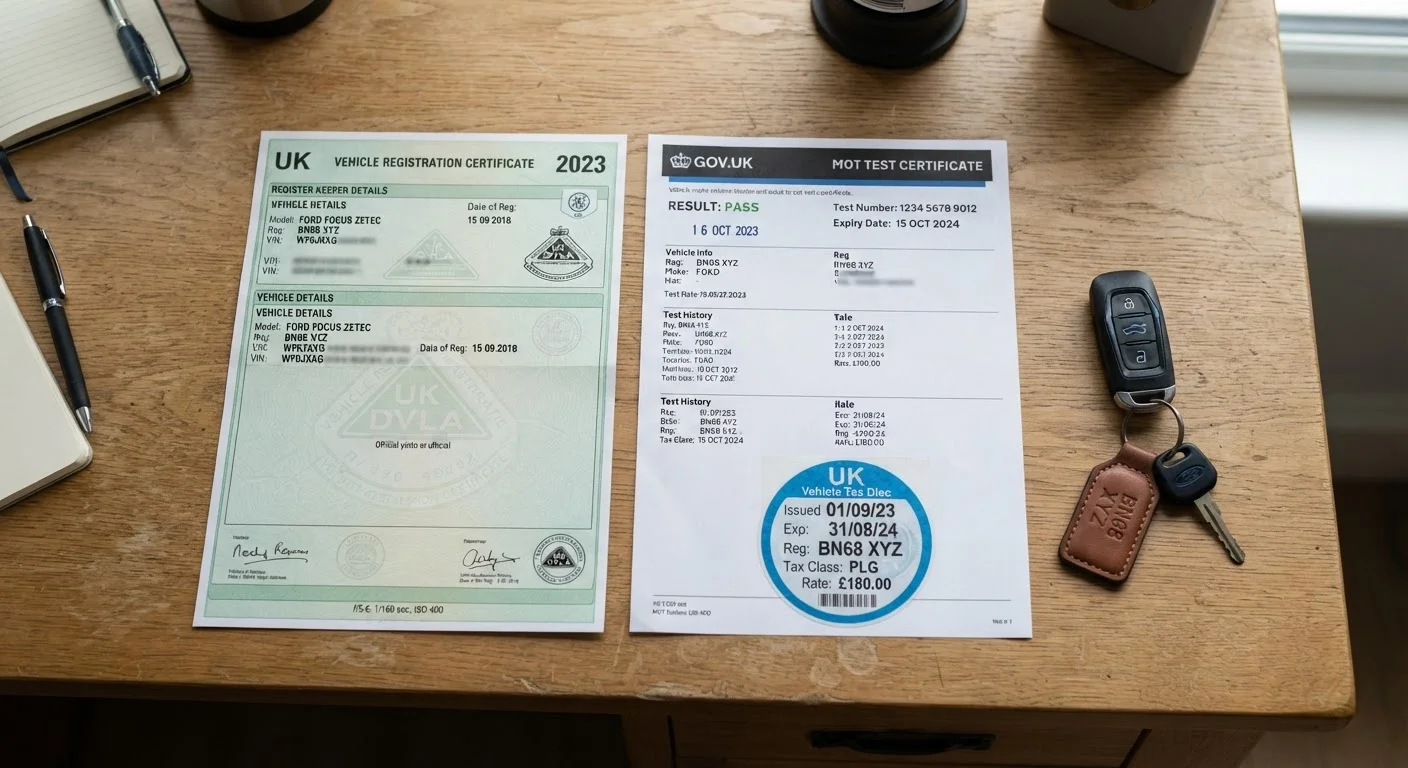
Photo credit: PrimeReads.net | Discover Insightful And Creative Blogs
In this article
Three mandatory obligations, one straightforward guide. Learn what road tax, MOT testing, and vehicle registration involve and what happens if you miss them.
The Three Pillars of Legal Vehicle Ownership
Owning and operating a vehicle in the US involves three core legal obligations that overlap but serve distinct purposes: vehicle registration, safety inspection (analogous to the MOT in the UK), and road tax or related fees. Confusion between them is common - and missing any one of them can result in fines, impoundment, or lapses in insurance coverage.
This guide breaks down each obligation in plain terms: what it is, why it exists, what it costs in general terms, and what happens if you let it lapse. Because requirements vary by state, always verify the specifics with your state's DMV or equivalent agency.
Vehicle Registration: Linking You and Your Car Legally
Vehicle registration is the process by which your state officially records that a specific vehicle is owned by a specific person or entity. When you register, you receive license plates and a registration certificate. Without valid registration, driving your vehicle on public roads is illegal in every US state.
Registration must typically be renewed annually, though some states offer two-year terms. Renewal fees vary widely - from under $50 in some states to several hundred dollars in others - and may include a base fee plus charges tied to vehicle weight, age, or value. Many states also collect a portion of local taxes through the registration process.
If you buy a used vehicle, registration doesn't automatically transfer. You are usually required to transfer the title and re-register within a set window - often 30 days - after purchase. Failing to do so on time typically incurs late penalties. For a fuller picture of ownership costs that catch drivers off guard, see common first-time owner surprises.
Vehicle Safety Inspections: The US Equivalent of the MOT
In the United Kingdom, the MOT test (Ministry of Transport test) is a mandatory annual safety and emissions check for vehicles over three years old. In the US, there is no single federal equivalent, but roughly half of all states require periodic safety inspections, emissions testing, or both.
Where required, safety inspections typically check brakes, lights, tires, steering, horn, windshield wipers, and other safety-critical components. Emissions tests measure exhaust output to ensure the vehicle meets environmental standards. Passing both is usually required to renew registration in states that mandate them.
Costs are generally modest - often $10-$75 depending on the state and test type - but failing an inspection can mean mandatory repairs before your registration renewal is approved. Keeping up with routine maintenance significantly reduces the chance of an unexpected failure. Our guide on your car's maintenance schedule explains what service intervals actually cover and why they matter.
Road Tax and Related Fees: What You're Actually Paying
The term road tax originates in the UK, where Vehicle Excise Duty (VED) is an annual charge tied to a vehicle's CO₂ emissions. In the US, there is no direct federal road tax, but drivers contribute to road funding through several channels:
- Federal and state fuel taxes: A per-gallon tax is collected at the pump. A portion funds highway construction and maintenance.
- Registration fees: As noted above, these often incorporate charges that effectively function as an annual road-use contribution.
- Mileage-based user fees (emerging): Some states are piloting programs that charge drivers per mile driven as an alternative to fuel taxes, particularly relevant as electric vehicles become more common.
Electric vehicle owners should note that because they pay no fuel tax, many states now levy an additional annual EV registration surcharge to ensure EV drivers contribute to road upkeep. Understanding the full cost picture of ownership is covered in detail in our complete vehicle ownership overview.
What Happens If You Let These Lapse?
The consequences of ignoring registration, inspection, or road-related fee requirements escalate quickly:
- Expired registration: Traffic stops almost always result in a citation. Fines vary by state but are rarely trivial. Repeat offenses can lead to vehicle impoundment.
- Failed or missed inspection: In states requiring inspections, driving with an expired sticker is a moving or equipment violation. Some insurance policies can be affected if a vehicle is found non-roadworthy at the time of a claim.
- Unpaid fees: Many states flag delinquent accounts, which can prevent renewal until arrears are cleared - sometimes with added interest or penalties.
Staying organized is the simplest defense. Keep renewal notices, maintain a vehicle service record, and set calendar reminders 30 days before each deadline. Most states now offer online renewal, making compliance straightforward.
This article provides general educational information about vehicle registration, inspections, and road fees in the US. Requirements differ by state. Always verify current rules and deadlines with your state's Department of Motor Vehicles or equivalent authority.

Author
Cars Editorial Team
Cars Editorial Team is the collective byline for our editorial team and contributor network. Articles published under this byline or an editorial pen name are researched, written, and reviewed according to our editorial standards for clarity, consistency, and independence before publication.
View all articles →