
Financing vs. Paying Cash for a Car
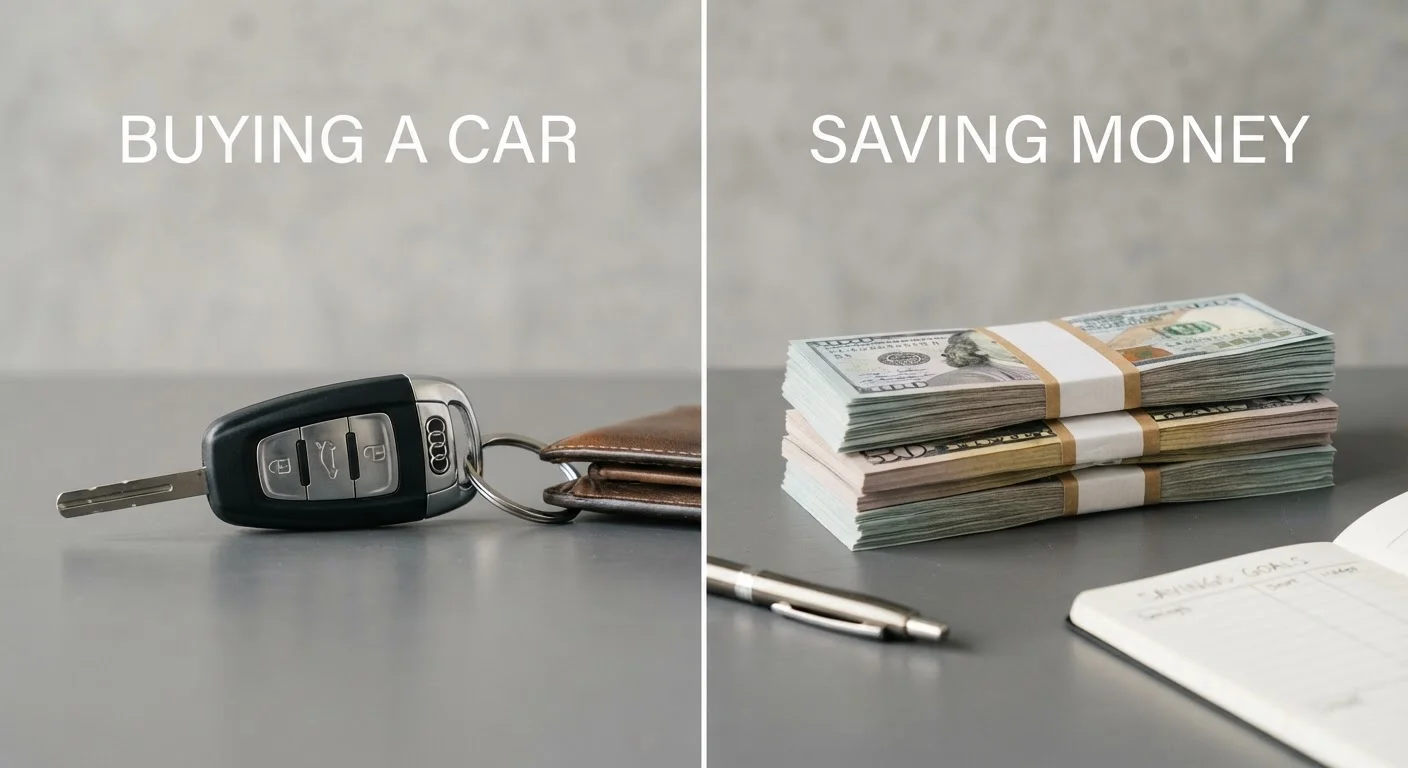
Photo credit: PrimeReads.net | Discover Insightful And Creative Blogs
In this article
Both approaches have real trade-offs. Explore the financial implications of auto loans versus outright purchase to understand what each means for your budget.
Key Takeaways
- Financing a car spreads cost over time but adds total interest expense to the purchase.
- Paying cash eliminates interest costs but draws down savings you may need for emergencies.
- Your credit score, current savings, and interest rate environment all affect which option makes more sense.
- Lenders typically require comprehensive insurance coverage on financed vehicles, adding to monthly costs.
- Neither approach is universally superior - your personal financial situation determines the right call.
What You're Actually Comparing
When you finance a car, a lender - typically a bank, credit union, or dealership financing arm - pays the seller on your behalf. You then repay that amount over a fixed term, usually 36 to 72 months, with interest. The interest rate you're offered depends heavily on your credit profile, the loan term, and prevailing market conditions.
Paying cash means transferring the full purchase price directly to the seller at the time of sale. There are no monthly payments, no interest charges, and no lender involvement once the transaction closes. You own the title outright from day one.
Understanding the full cost of owning a car - including depreciation, insurance, and maintenance - matters regardless of how you pay, because the purchase method is just one piece of the financial picture.
| Criterion | Auto Loan Financing | Paying Cash Outright |
|---|---|---|
| Total cost | Purchase price plus interest | Purchase price only |
| Monthly cash flow impact | Fixed monthly payment required | No ongoing payment |
| Liquidity preserved | Yes - savings stay intact | No - large lump sum spent |
| Credit history impact | Builds credit if managed well | No credit impact |
| Insurance requirements | Lender mandates comprehensive cover | You choose coverage level |
| Vehicle title ownership | Lender holds lien until paid off | Full ownership from day one |
| Flexibility if car is totalled | Loan balance may exceed payout | No loan gap to worry about |
The Real Cost of Financing
The most direct cost of an auto loan is interest. On a $30,000 vehicle financed at 7% over 60 months, total interest paid would be approximately $5,600 - meaning the car effectively costs $35,600. Longer loan terms lower the monthly payment but increase total interest paid. Shorter terms do the opposite.
Beyond interest, financed vehicles typically require the lender to be listed on the insurance policy, and lenders generally mandate comprehensive and collision coverage. This can raise your insurance premiums compared to what you might carry on a fully owned vehicle. See our guide on comprehensive vs. third-party car insurance for a breakdown of what those coverage levels include.
On the positive side, if you can secure a loan rate lower than what your savings are earning in a high-yield account or investment, financing can theoretically preserve more wealth than paying cash. This requires discipline - the freed-up cash must actually be saved or invested, not spent.
72 months
Most common auto loan term length
Federal Reserve data shows six-year loans have become the most prevalent term for new vehicle financing in the US, up from 48 months a decade ago.
~$700+
Average monthly new car payment (US)
Experian's State of the Automotive Finance Market reports consistently show average new vehicle monthly payments have risen well above $700 in recent years.
38%
New car buyers who pay cash or equivalent
Industry surveys suggest a significant minority of buyers use cash, trade equity, or non-loan funds, though the majority still rely on financing.
What Paying Cash Actually Costs You
Paying cash is cost-efficient in the narrow sense: you pay exactly what the car costs, nothing more in interest. For a buyer who negotiates well, a cash offer can sometimes simplify the transaction, though dealers may be less motivated to discount since they earn nothing from financing.
The real trade-off is opportunity cost and liquidity. Depleting savings to buy a car outright means that money is no longer available for emergencies, home repairs, medical expenses, or higher-returning investments. If an unexpected expense arises shortly after a cash purchase, you may find yourself in a tighter spot than if you'd financed and kept reserves intact.
It's also worth noting that paying cash has no direct effect on your credit history - you neither build nor damage it through the transaction. A responsibly managed auto loan, by contrast, can contribute positively to your credit profile over time, which can matter when you later apply for a mortgage or other credit. Learn more about responsible borrowing fundamentals at our Debt & Credit hub.
Making the Right Call for Your Situation
There's no single correct answer here. The decision hinges on three variables: the interest rate you'd qualify for, what your savings look like after the purchase, and whether you carry other higher-rate debt that deserves priority attention. If you're managing existing high-interest debt alongside this decision, reviewing structured debt repayment approaches may help you sequence your priorities clearly.
A general framework: if a loan rate is low, your emergency fund remains healthy after financing, and you have no high-rate debt, financing can be a rational choice. If the loan rate is high, your savings comfortably cover the purchase and leave a solid emergency buffer, and you carry no other pressing debt, paying cash typically produces the lower total cost.
For a broader view of every financial decision involved in owning a vehicle, see our complete guide to vehicle ownership costs and decisions.
This article is for general informational purposes only and does not constitute personalised financial or legal advice. Consult a qualified financial adviser before making decisions based on your specific circumstances.

Author
Cars Editorial Team
Cars Editorial Team is the collective byline for our editorial team and contributor network. Articles published under this byline or an editorial pen name are researched, written, and reviewed according to our editorial standards for clarity, consistency, and independence before publication.
View all articles →