
The Case For and Against Travelling During Shoulder Season
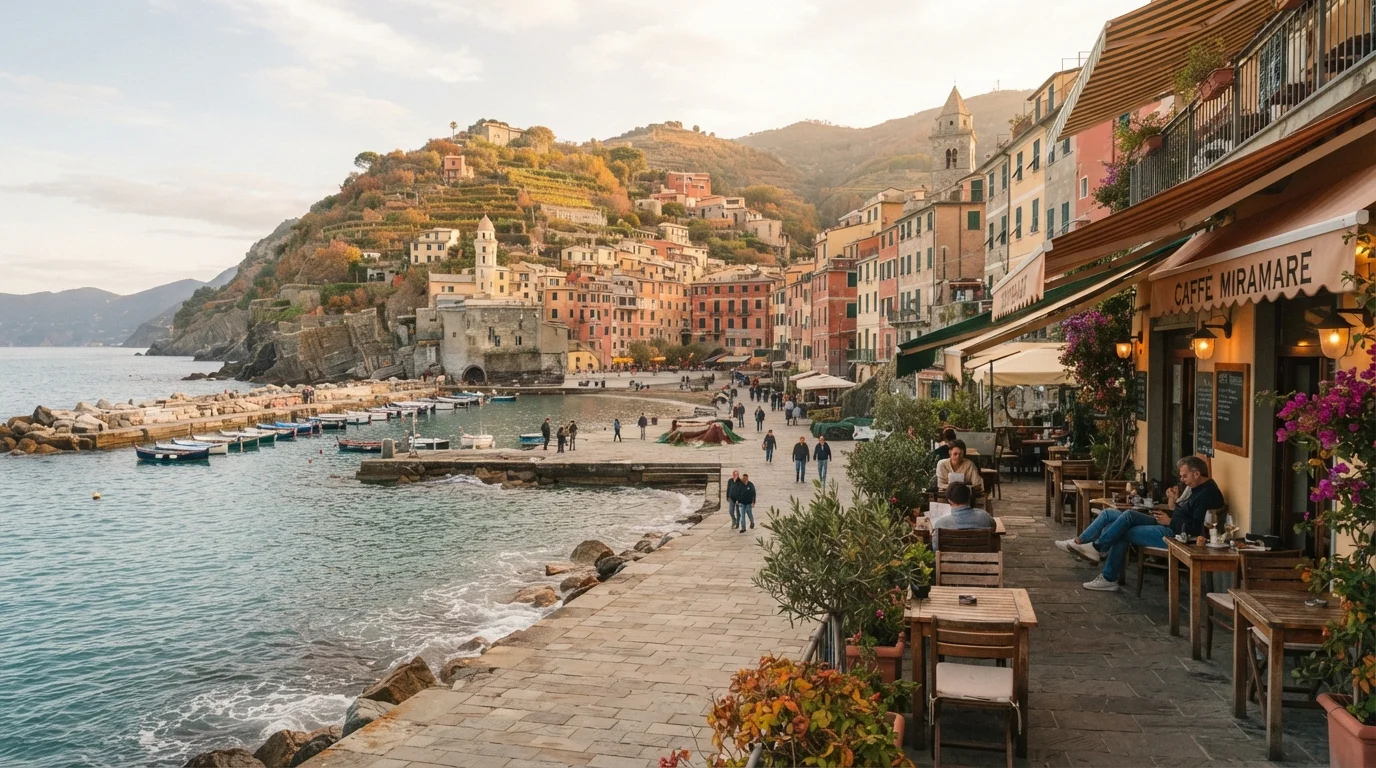
Photo credit: PrimeReads.net | Discover Insightful And Creative Blogs
In this article
Shoulder season promises quieter crowds and lower prices, but it comes with real trade-offs. Here's an honest look at both sides.
Key Takeaways
- Shoulder season falls between a destination's peak and off-season, typically spring and fall.
- Travelers often find lower prices and thinner crowds compared to summer or holiday peaks.
- Weather, attraction availability, and local services can be unpredictable during this window.
- Flexibility and research matter more during shoulder season than at any other travel time.
- The right choice depends on your destination, travel style, and tolerance for uncertainty.
Lower prices on flights and accommodation
Airfare and hotel rates typically drop noticeably compared to peak season, though savings vary by destination and booking timing. Shoulder season can represent a meaningful reduction in overall trip cost without the extreme trade-offs of full off-season travel.
Fewer crowds at popular attractions
Major landmarks, museums, and natural sites see significantly less foot traffic during shoulder periods. This often translates to shorter queues, easier photography, and a more relaxed pace overall.
More favorable weather than off-season
Shoulder season generally sits in a transition window where temperatures are milder and conditions are more agreeable than the coldest or stormiest off-peak months, though this varies considerably by region.
Easier restaurant and tour reservations
With fewer tourists competing for the same tables and tour slots, you're more likely to access experiences that would be fully booked during peak travel periods without months of advance planning.
More authentic local atmosphere
When tourist density drops, local businesses and residents are less overwhelmed, which can create more genuine interactions and a better sense of what a place is actually like day to day.
Unpredictable and variable weather
Shoulder season sits in meteorological transition zones, making conditions harder to forecast. A trip built around outdoor activities can be significantly disrupted by unseasonable rain, cold, or heat.
Some attractions and services may be closed
Seasonal businesses - beach bars, guided tours, regional ferry routes - sometimes reduce hours or shut entirely during shoulder periods, limiting your options in ways that aren't always clearly advertised in advance.
Savings are not always guaranteed
Dynamic airline and hotel pricing means shoulder-season rates can spike around local events, public holidays, or school breaks, erasing the cost advantage travelers typically expect.
Shorter daylight hours in autumn
Fall shoulder seasons in particular can mean noticeably shorter days, which reduces time for outdoor sightseeing and changes the character of destinations that depend on long summer evenings.
Less vibrant local scene
The energy of a destination at its liveliest - busy markets, outdoor festivals, extended beach culture - may be absent or scaled back during shoulder season, which some travelers find underwhelming.
What Shoulder Season Actually Means
Shoulder season refers to the travel periods that fall between a destination's busiest time of year (peak season) and its quietest (off-season). For most popular destinations, this translates to spring and autumn - think May-June or September-October in Europe, or April and November in parts of the Caribbean.
The exact timing shifts considerably depending on where you're going. A beach resort's shoulder season looks very different from a ski town's. Understanding a specific destination's calendar is essential before assuming shoulder season applies in the way you expect. Our guide on what off-season actually means at popular destinations explains how this varies widely across different types of trips.
The appeal is intuitive: you get some of peak season's advantages - reasonable weather, open attractions - without all of its downsides. But that's the optimistic version. The reality is more nuanced.
The Case For Shoulder Season Travel
There are genuine, well-documented advantages to timing a trip during shoulder season, and they're worth taking seriously.
Lower prices on flights and accommodation
Airfare and hotel rates typically drop noticeably compared to peak season, though savings vary by destination and booking timing. Shoulder season can represent a meaningful reduction in overall trip cost without the extreme trade-offs of full off-season travel.
Fewer crowds at popular attractions
Major landmarks, museums, and natural sites see significantly less foot traffic during shoulder periods. This often translates to shorter queues, easier photography, and a more relaxed pace overall.
More favorable weather than off-season
Shoulder season generally sits in a transition window where temperatures are milder and conditions are more agreeable than the coldest or stormiest off-peak months, though this varies considerably by region.
Easier restaurant and tour reservations
With fewer tourists competing for the same tables and tour slots, you're more likely to access experiences that would be fully booked during peak travel periods without months of advance planning.
More authentic local atmosphere
When tourist density drops, local businesses and residents are less overwhelmed, which can create more genuine interactions and a better sense of what a place is actually like day to day.
Up to 30%
Potential flight savings vs. peak season
Travel industry analyses have generally found that shoulder-season airfares can run 20-30% lower than peak-season equivalents on popular routes, though exact savings depend heavily on destination and booking lead time.
2-3x
Crowd multiplier at top sites in peak vs. shoulder
Visitor data from major European heritage sites suggests attendance during peak summer months can be two to three times higher than during the surrounding shoulder periods.
Beyond pricing, the experiential benefits are often what travelers remember most. Visiting a popular museum, historic site, or natural landmark without the wall-to-wall crowds of July changes the experience significantly. Locals are generally less fatigued by tourism, which can make interactions more genuine. Restaurants are less harried, and you're more likely to get a reservation at a place you actually want to eat at.
If your schedule has some flexibility, pairing shoulder-season travel with flexible departure dates can amplify these benefits. As we cover in our piece on why flexible travel dates can change your trip entirely, shifting by even a day or two around shoulder-season windows can make a meaningful difference in both cost and crowd levels.
The Case Against Shoulder Season Travel
Shoulder season is not without real drawbacks, and glossing over them does travelers a disservice.
Unpredictable and variable weather
Shoulder season sits in meteorological transition zones, making conditions harder to forecast. A trip built around outdoor activities can be significantly disrupted by unseasonable rain, cold, or heat.
Some attractions and services may be closed
Seasonal businesses - beach bars, guided tours, regional ferry routes - sometimes reduce hours or shut entirely during shoulder periods, limiting your options in ways that aren't always clearly advertised in advance.
Savings are not always guaranteed
Dynamic airline and hotel pricing means shoulder-season rates can spike around local events, public holidays, or school breaks, erasing the cost advantage travelers typically expect.
Shorter daylight hours in autumn
Fall shoulder seasons in particular can mean noticeably shorter days, which reduces time for outdoor sightseeing and changes the character of destinations that depend on long summer evenings.
Less vibrant local scene
The energy of a destination at its liveliest - busy markets, outdoor festivals, extended beach culture - may be absent or scaled back during shoulder season, which some travelers find underwhelming.
Weather unpredictability is perhaps the most cited frustration. The Mediterranean in October can be glorious - or it can rain for a week straight. A beach trip built around shoulder-season savings can feel like a poor trade-off if conditions don't cooperate. Unlike peak season, where weather patterns are more established, shoulder season sits in a meteorological transition that's harder to predict reliably.
Reduced services are another underappreciated issue. Some seasonal restaurants, tours, ferry routes, and attractions scale back or close entirely during shoulder periods. Travelers who arrive expecting peak-season availability can find themselves with limited options.
Check Local Event Calendars Before You Book
A destination's shoulder season can be dramatically disrupted by a major local festival, sporting event, or national holiday that draws crowds and pushes prices back toward peak levels. Before assuming a given month is quieter, check the local events calendar for your specific destination. Tourism board websites and city event pages are typically the most reliable sources for this kind of planning detail.
It's also worth noting that shoulder season pricing isn't as uniform as it once was. Dynamic pricing models used by airlines and hotels mean that savings aren't guaranteed, particularly if a major local event or holiday falls during what would normally be a quieter window. Always verify current pricing rather than assuming a given period will be cheaper. For a broader look at planning assumptions worth questioning, see the real truths behind common trip planning myths.
How to Decide If Shoulder Season Works for Your Trip
The right question isn't whether shoulder season is good or bad in the abstract - it's whether it's right for your specific destination, travel style, and priorities.
Start by researching the destination's actual calendar. Some places have a shoulder season of just a few weeks; others enjoy an extended mild period. Check what attractions, transport links, and accommodations will actually be operating during your dates. This matters far more than a general rule of thumb.
Consider your flexibility tolerance. Travelers who need guaranteed beach weather or who have paid for a structured itinerary may find shoulder season's variability stressful. Those who enjoy exploring without a rigid schedule and can pivot if a planned activity is closed tend to adapt better. This connects to a broader trip-planning question our editorial team explored in package holidays vs. self-planned trips - the degree of structure you want shapes which travel windows suit you best.
Finally, compare shoulder season directly with off-season before defaulting to it. For some destinations, fully off-peak travel offers deeper savings and a more authentic local experience, with manageable trade-offs. Our guide to off-season travel's genuine advantages and honest drawbacks is a useful companion read when weighing your options in the trip planning process.

Author
Travel Editorial Team
Travel Editorial Team is the collective byline for our editorial team and contributor network. Articles published under this byline or an editorial pen name are researched, written, and reviewed according to our editorial standards for clarity, consistency, and independence before publication.
View all articles →