
Currency Exchange Myths That Cost Travellers Money
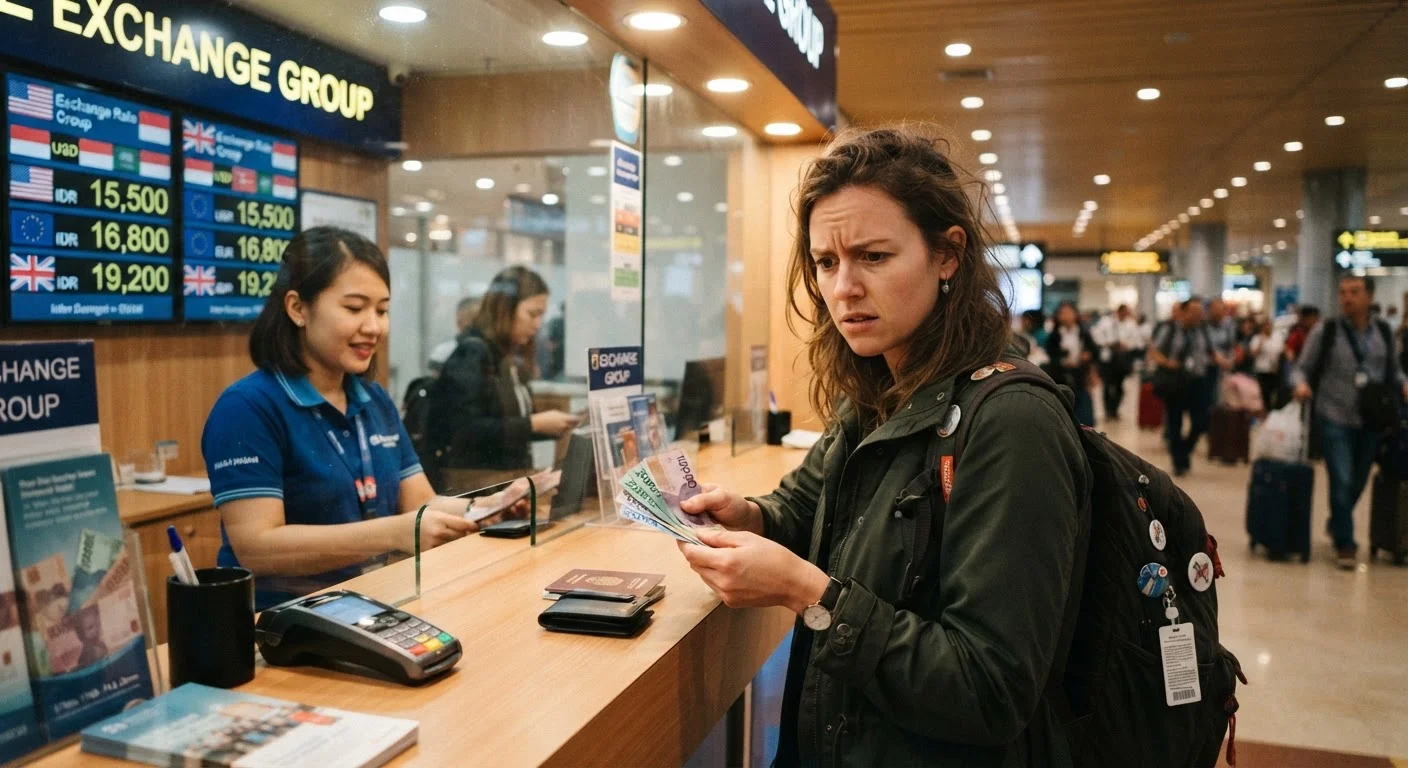
Photo credit: PrimeReads.net | Discover Insightful And Creative Blogs
In this article
From airport kiosks to dynamic currency conversion, several widely believed ideas about exchanging money can quietly drain your travel budget.
Key Takeaways
- Airport currency exchange kiosks typically offer some of the worst exchange rates available to travellers.
- Dynamic currency conversion at payment terminals almost always costs more than paying in local currency.
- Using a local ATM abroad is often more cost-effective than pre-exchanging large amounts at home.
- Credit cards with no foreign transaction fees frequently offer competitive mid-market exchange rates.
- Exchanging all your cash at once is not always advantageous - spreading exchanges can reduce exposure to poor rates.
Why Currency Exchange Myths Are So Costly
Few travel expenses feel as invisible as money lost to bad currency exchange decisions. Unlike a hotel surcharge or an airline baggage fee, the difference between a fair exchange rate and a poor one rarely appears on a receipt. That invisibility is exactly why so many travellers repeat the same costly habits trip after trip.
The myths below are widespread precisely because they contain a grain of intuitive logic - but acting on them without scrutiny can drain your travel budget in ways that are entirely avoidable. Understanding what's actually happening when you exchange money puts you in a much stronger position to make informed decisions abroad. For a broader look at the expenses that quietly inflate trip costs, see our guide to hidden international travel costs.
Myth
Airport currency exchange counters are the most convenient and therefore a reasonable place to exchange money.
Fact
Airport kiosks are convenient, but they routinely offer exchange rates significantly below the mid-market rate and charge high fees - making them one of the most expensive options available.
The mid-market rate - the midpoint between buy and sell prices on global currency markets - is the rate you see on financial data sites. Airport exchange operators apply a wide spread on top of that rate, plus flat fees, meaning you may receive 10-15% less value than the benchmark rate. Convenience is real, but the cost is also real. If you land without local currency, withdrawing a small amount from an airport ATM affiliated with a major bank network is generally a less costly option than using an exchange kiosk.
Myth
When a payment terminal abroad offers to charge you in US dollars instead of local currency, you should accept - it's simpler and protects you from surprises.
Fact
This practice, called dynamic currency conversion (DCC), almost always applies an unfavorable exchange rate set by the merchant's payment processor, not your card issuer. Declining and paying in local currency is typically the better choice.
Dynamic currency conversion is a fee-generating product for merchants and their payment processors, not a consumer benefit. The exchange rate applied is set by the processor and is frequently well below the mid-market rate. When you pay in local currency, your card network - Visa, Mastercard, or another - applies its own exchange rate, which is generally much closer to the mid-market rate. Always select local currency at the terminal when given the option, and if a merchant processes a DCC transaction without your consent, you may be able to dispute it with your card issuer.
Myth
Exchanging all your foreign currency before you leave home gives you the best rate and avoids hassle abroad.
Fact
Pre-trip exchange rates offered by domestic banks and exchange services are often no better - and sometimes worse - than rates available from ATMs at your destination. Carrying large amounts of cash also introduces security risk.
Many domestic banks source foreign currency at retail rates that include a meaningful markup. Unless your bank specifically offers competitive foreign exchange as part of a travel account, you may be better served by withdrawing smaller amounts as needed from ATMs at your destination, particularly those affiliated with large international banking networks. Check whether your bank reimburses ATM fees or partners with an international ATM network before relying on this approach. Carrying only what you need for a day or two also limits your exposure if cash is lost or stolen.
Myth
Credit cards always charge excessive fees for international purchases, so cash is always cheaper abroad.
Fact
Many travel-oriented credit cards charge no foreign transaction fees and apply exchange rates close to the mid-market rate, making them competitive with or better than cash exchange for most purchases.
Foreign transaction fees - typically around 1-3% of each purchase - do exist on many standard cards. However, a wide range of credit cards, including many general travel cards, waive these fees entirely. When you use a no-foreign-transaction-fee card for purchases, your card network applies an exchange rate that is generally favorable compared to cash exchange rates. The key is knowing your card's fee structure before you travel. Cards that do charge foreign transaction fees can quietly add up over a two-week trip, so it's worth checking your terms. This connects to broader budgeting habits discussed in our guide on budgeting myths.
Myth
You'll always get a better rate if you exchange a larger amount at once.
Fact
Bulk exchange can sometimes reduce per-transaction fees, but it doesn't guarantee a better rate, and holding large amounts of foreign cash introduces both security risk and potential loss if you over-estimate your needs.
While some exchange services do offer slightly better rates for larger transactions, this is not a universal rule. More importantly, if you exchange more than you spend, you'll need to convert the remainder back - incurring another round of fees and spread. Estimating your cash needs realistically, and supplementing with card payments where accepted, is generally a more flexible and cost-effective approach than bulk cash exchange. For more on planning expenditure before you travel, see common trip planning myths debunked.
Practical Takeaways for Smarter Currency Decisions
Knowing what not to do is half the battle. Before your next international trip, take a few minutes to review the fee structures on your cards, research whether your destination is primarily cash-based or card-friendly, and identify ATM networks that partner with your bank. These small steps can meaningfully reduce what you spend on currency conversion.
~10-15%
Typical markup at airport currency exchange kiosks
Industry analyses and consumer finance organizations have consistently found airport exchange operators apply spreads and fees that reduce value by roughly 10-15% compared to mid-market rates.
1-3%
Foreign transaction fee on standard credit cards
Many standard (non-travel) credit cards charge a foreign transaction fee in this range on every international purchase, which accumulates significantly over a longer trip.
3-8%
Estimated DCC markup over mid-market rate
Consumer finance researchers and card networks have estimated that dynamic currency conversion rates typically sit 3-8% above the mid-market rate, representing a direct cost to the cardholder.
Keep in mind that no single method is universally optimal - a combination of a fee-free debit card for ATM withdrawals and a no-foreign-transaction-fee credit card for larger purchases covers most scenarios well. For a structured approach to managing money on the road, our practical currency and cards reference walks through exchange rates, card fees, and cash access in one place. And if you want to build a travel budget that accounts for these costs from the start, our road-tested travel budgeting guide is a useful companion.

Author
Travel Editorial Team
Travel Editorial Team is the collective byline for our editorial team and contributor network. Articles published under this byline or an editorial pen name are researched, written, and reviewed according to our editorial standards for clarity, consistency, and independence before publication.
View all articles →