
Things Travellers Believe About Australia That Aren't Quite Right
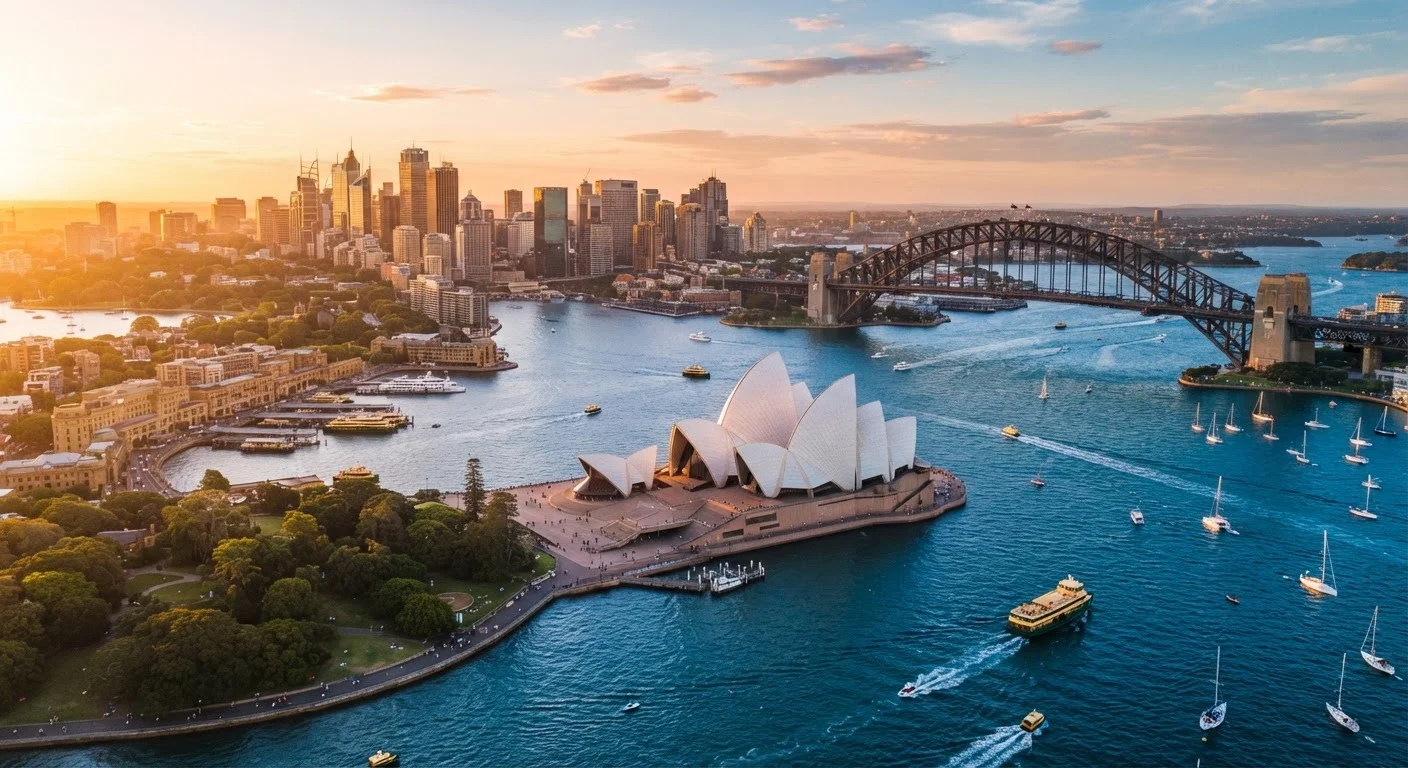
Photo credit: PrimeReads.net | Discover Insightful And Creative Blogs
From dangerous wildlife to vast empty interiors, common myths about Australia are tested against reality.
Key Takeaways
- Most of Australia's 26 million people live in coastal cities, not remote outback.
- Dangerous wildlife encounters are rare; basic precautions keep most visitors safe.
- Australia has distinct seasons and significant climate variation between regions.
- Australian cities rank among the world's most expensive - budget planning matters.
- The country is vast; travel times between major sights are longer than many expect.
Why Australia Myths Persist
Australia occupies an outsized place in the global imagination. Dramatic wildlife documentaries, sprawling outback landscapes, and blockbuster films have shaped a picture of the country that is vivid but incomplete. For travellers, arriving with unchecked assumptions can mean real surprises - overpacked itineraries, budget shortfalls, or unnecessary anxiety about wildlife that's rarely encountered.
Separating popular belief from ground-level reality helps you plan smarter and enjoy the trip more. The myth-and-fact pairs below address the misconceptions that come up most often among first-time visitors. For broader advice on separating travel fact from fiction before you book, see common trip planning myths debunked.
Myth
Australia is mostly empty outback - a vast, uninhabited wilderness with harsh conditions everywhere.
Fact
Around 90% of Australians live in urban areas, and most major tourist destinations are coastal cities with excellent infrastructure.
The outback is real and genuinely extraordinary, but it covers a portion of the country that most visitors - and most Australians - never set foot in. Cities like Sydney, Melbourne, Brisbane, and Perth are modern, densely populated, and well-served by international transport. The coastline stretching between them offers rainforests, reef systems, and wine regions that look nothing like the red-dirt interior. Travellers who arrive expecting a frontier experience in every direction often find themselves navigating world-class coffee culture instead.
Myth
Everything in Australia is trying to kill you - the wildlife is uniquely and constantly dangerous.
Fact
Fatal wildlife encounters are statistically rare; simple awareness and local guidance significantly reduce the already-low risk.
Australia does have a notable share of venomous species, and that fact is not invented. But context matters. The last recorded death from a spider bite in Australia occurred decades ago, and encounters with dangerous snakes or marine animals typically require a degree of provocation or inattention. Travellers who stick to marked trails, follow beach signage, and take local advice - particularly regarding box jellyfish in tropical waters - travel safely. Fear of wildlife should not deter a visit; awareness should simply inform behaviour.
Myth
Australia has one climate - hot, dry, and sunny year-round.
Fact
Australia spans multiple climate zones, from tropical north to temperate south, with meaningful seasonal variation in each.
Melbourne is famous for having four seasons in a single day, and the city regularly records winter temperatures that surprise visitors expecting perpetual warmth. Tasmania sees snow. The tropical north - Darwin, Cairns, and the Kimberley - experiences a pronounced wet season roughly November through April, during which some roads and attractions become inaccessible. Timing a visit to the right region at the right time of year is as important for Australia as it is for anywhere in Europe or North America.
Myth
Australia is an affordable destination because it's a big, casual country with a relaxed lifestyle.
Fact
Australia consistently ranks among the more expensive countries in the world for travellers, particularly in major cities.
Sydney and Melbourne regularly appear in global cost-of-living indices near the top end of the scale. Dining out, accommodation, and domestic flights all carry price tags that catch travellers off guard, especially those arriving after budget-friendly legs through Southeast Asia. Working-holiday visa holders who planned to fund travel through casual work also find that while wages are relatively high, living costs absorb much of that income. Budget planning based on accurate figures - rather than assumptions about affordability - makes a significant difference to trip outcomes.
Myth
You can easily road-trip between all of Australia's major sights in a couple of weeks.
Fact
The distances between iconic Australian destinations are so large that many multi-stop itineraries require flying, not driving.
The drive from Sydney to Uluru (Ayers Rock) is approximately 2,800 kilometres - equivalent to driving from New York to Denver. Driving the full perimeter of Australia takes weeks of solid travel. This doesn't make road trips impossible or unenjoyable; the Great Ocean Road, the Nullarbor Plain crossing, and the drive through Queensland's hinterland are all memorable. But travellers who plan to see Sydney, the Reef, the Red Centre, and the Daintree in a single two-week self-drive trip will spend most of that time behind the wheel rather than at their destinations.
Planning Your Trip With Accurate Expectations
Understanding what Australia is actually like - rather than what popular media suggests - translates directly into better decisions. A few practical points worth building into your plans:
- Distances are enormous. Sydney to Perth is roughly the same flying distance as New York to London. Build buffer days and realistic transit time into any multi-city itinerary.
- Costs are significant. Accommodation, dining, and domestic transport are all pricier than many visitors anticipate, particularly compared to Southeast Asian destinations travellers sometimes pair with an Australian leg.
- Entry requirements change. Visa rules, travel health recommendations, and biosecurity declarations vary. Always verify current conditions through official government sources - both Australian and from your home country - well before departure.
- Seasons are reversed. December through February is peak summer in most of Australia, which means school holidays, higher prices, and intense heat in inland areas. Northern tropical regions have a distinct wet season that affects accessibility.
Getting your research right before departure is as important as any other part of trip planning. How to research a destination without being misled walks through practical methods for verifying current entry requirements and local conditions.
~90%
Australians living in urban areas
According to the Australian Bureau of Statistics, the vast majority of the population is concentrated in coastal cities and urban centres.
7.69M km²
Total land area of Australia
Australia is the world's sixth-largest country by area, making internal distances a central logistical consideration for any trip.
2,800+ km
Sydney to Uluru by road
This one-way driving distance illustrates why many visitors underestimate travel times between iconic Australian destinations.

Author
Travel Editorial Team
Travel Editorial Team is the collective byline for our editorial team and contributor network. Articles published under this byline or an editorial pen name are researched, written, and reviewed according to our editorial standards for clarity, consistency, and independence before publication.
View all articles →