
Hawaii's Islands Are Not Interchangeable - Here's How They Differ
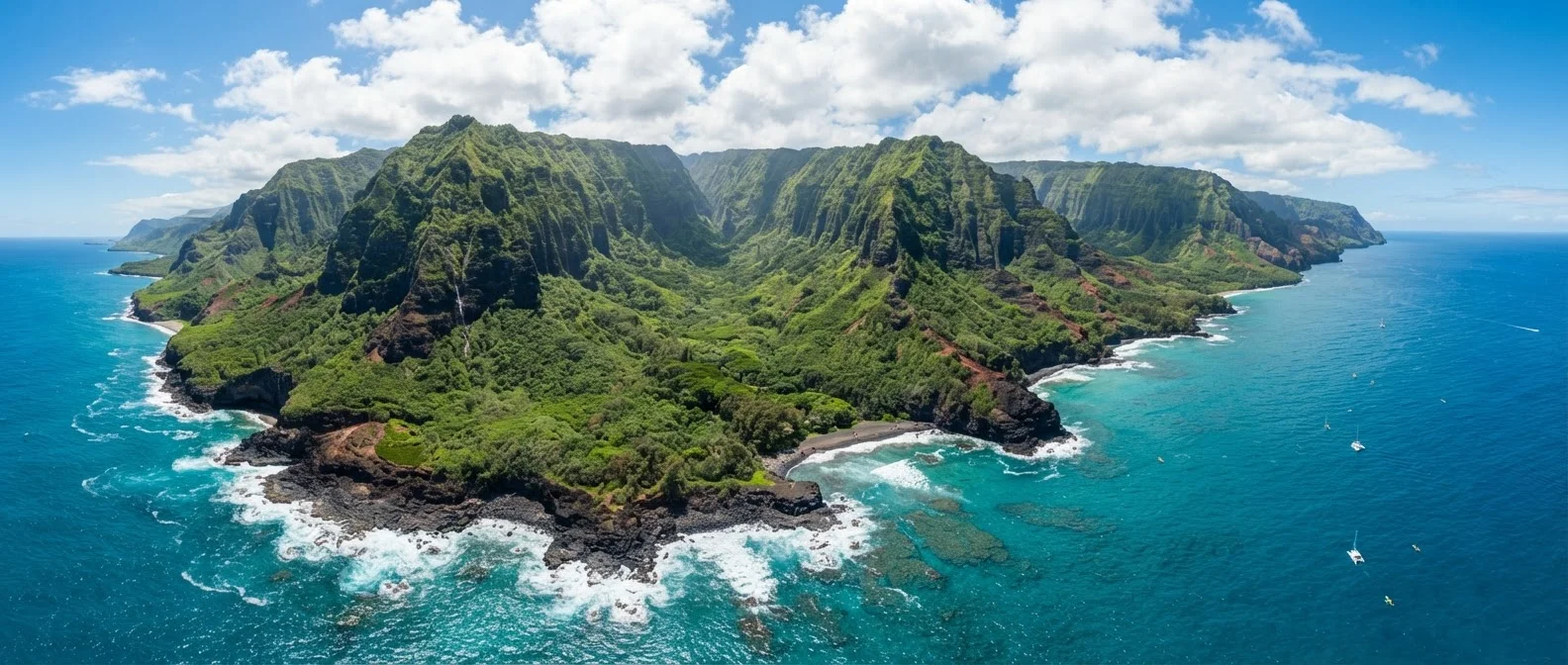
Photo credit: PrimeReads.net | Discover Insightful And Creative Blogs
In this article
Oahu, Maui, Kauai, and the Big Island each offer a distinct experience. Learn what sets each island apart.
Key Takeaways
- Oahu blends urban amenities with world-famous beaches, making it ideal for first-time visitors.
- Maui offers a balance of luxury resorts, scenic drives, and outdoor adventure.
- Kauai is the most remote and undeveloped, best suited for nature-focused travelers.
- The Big Island is the largest, geologically youngest, and most ecologically diverse island.
- Flight connections and inter-island travel logistics vary significantly between the islands.
Why the Islands Feel Like Different Countries
Hawaii is often imagined as a single, interchangeable destination - all palm trees, surf, and luaus. In reality, the major islands differ dramatically in terrain, infrastructure, visitor experience, and even climate. Choosing the wrong island for your travel style can mean spending a week in a busy resort corridor when you wanted wilderness, or struggling to find services in a remote landscape when you needed convenience.
The four most-visited islands - Oahu, Maui, Kauai, and the Big Island (Hawaii Island) - each have distinct personalities shaped by geology, settlement history, and the type of tourism that has developed there. Understanding these differences before you book is the most practical planning step you can take.
Oahu: Urban Energy and Iconic Shorelines
Oahu is home to Honolulu, Hawaii's state capital and its most populated city. Waikiki's famous beach sits within walking distance of restaurants, shops, and public transit - an infrastructure level you won't find on any other island. The historic Pearl Harbor memorials, Diamond Head State Monument, and the North Shore's renowned surf breaks are all accessible within a single day's drive.
Because Oahu has the most developed tourism infrastructure, it typically offers the widest range of accommodation options and the easiest entry point for first-time visitors. However, that accessibility comes with higher crowd density, especially along the Waikiki strip. Travelers who prioritize quiet and seclusion may find the island's pace more urban than they expected.
| Oahu | Maui | Kauai | Big Island | |
|---|---|---|---|---|
| Overall character | Urban & iconic | Scenic & refined | Wild & secluded | Vast & geological |
| Best for | First-timers, families | Couples, outdoor lovers | Hikers, nature seekers | Adventurers, scientists |
| Infrastructure | Extensive | Well-developed | Limited | Moderate, spread out |
| Crowd level | High | Moderate-high | Low-moderate | Low-moderate |
| Top draw | Waikiki, Pearl Harbor | Road to Hana, Haleakalā | Na Pali Coast | Volcanoes National Park |
| Car necessary? | Helpful, not essential | Recommended | Essential | Essential |
Maui: Scenic Grandeur and Resort Comfort
Maui is frequently cited as a destination that balances natural drama with polished visitor amenities. The Road to Hana - a winding coastal highway through rainforest, waterfalls, and lava cliffs - is one of the most photographed drives in the U.S. Haleakalā National Park allows visitors to stand above the clouds at a 10,023-foot summit. The island's West Maui and Wailea resort corridors offer some of the state's most developed luxury hospitality.
Maui works well for travelers who want scenery that feels wild and remote but who still value comfortable lodging and reliable dining. It draws a mix of honeymooners, families, and outdoor enthusiasts. Keep in mind that the most popular areas - particularly around Lahaina's recovery corridor following the 2023 wildfires - are in ongoing transition, and travelers should verify current access and local guidance before visiting affected areas.
Kauai: Untouched Landscapes and Limited Services
Kauai is the oldest of the main islands geologically, and that age has produced extraordinary topography: the Na Pali Coast's knife-edge cliffs, Waimea Canyon (often called the Grand Canyon of the Pacific), and dense interior valleys that remain largely inaccessible by road. Development is intentionally restricted - building heights are limited, and the island has consciously avoided the resort density seen on Oahu or Maui.
That restraint is Kauai's appeal and its challenge. Visitors who want hiking, kayaking, and scenery without crowds will find this island deeply rewarding. Those expecting a full range of dining and nightlife options, or who need extensive transportation options, will find the infrastructure limited. Renting a car is essentially necessary for most itineraries.
The Big Island: Scale, Extremes, and Ecological Diversity
Hawaii Island - commonly called the Big Island to avoid confusion with the state name - is larger than all the other Hawaiian islands combined. Its size produces climate zones ranging from tropical rainforest on the Hilo side to arid lava fields near Kona, with snow occasionally appearing on the Mauna Kea summit at nearly 14,000 feet above sea level.
Hawaiʻi Volcanoes National Park, home to Kīlauea, one of the world's most active volcanoes, offers a geological experience unavailable anywhere else in the United States. The island also has black sand beaches, manta ray snorkeling, and some of the most significant astronomical observatories in the world. Because of its size, driving between Kona and Hilo takes roughly 2.5 hours - visitors should plan their base location thoughtfully.
Inter-island flights connect all four islands, with travel times typically under an hour. Oahu's Daniel K. Inouye International Airport handles the most connections and is often the hub for inter-island carriers. Travelers should verify current schedules and plan layovers accordingly.

Author
Travel Editorial Team
Travel Editorial Team is the collective byline for our editorial team and contributor network. Articles published under this byline or an editorial pen name are researched, written, and reviewed according to our editorial standards for clarity, consistency, and independence before publication.
View all articles →