
Sleep, Stress, and Immunity: The Overlooked Pillars of Illness Prevention
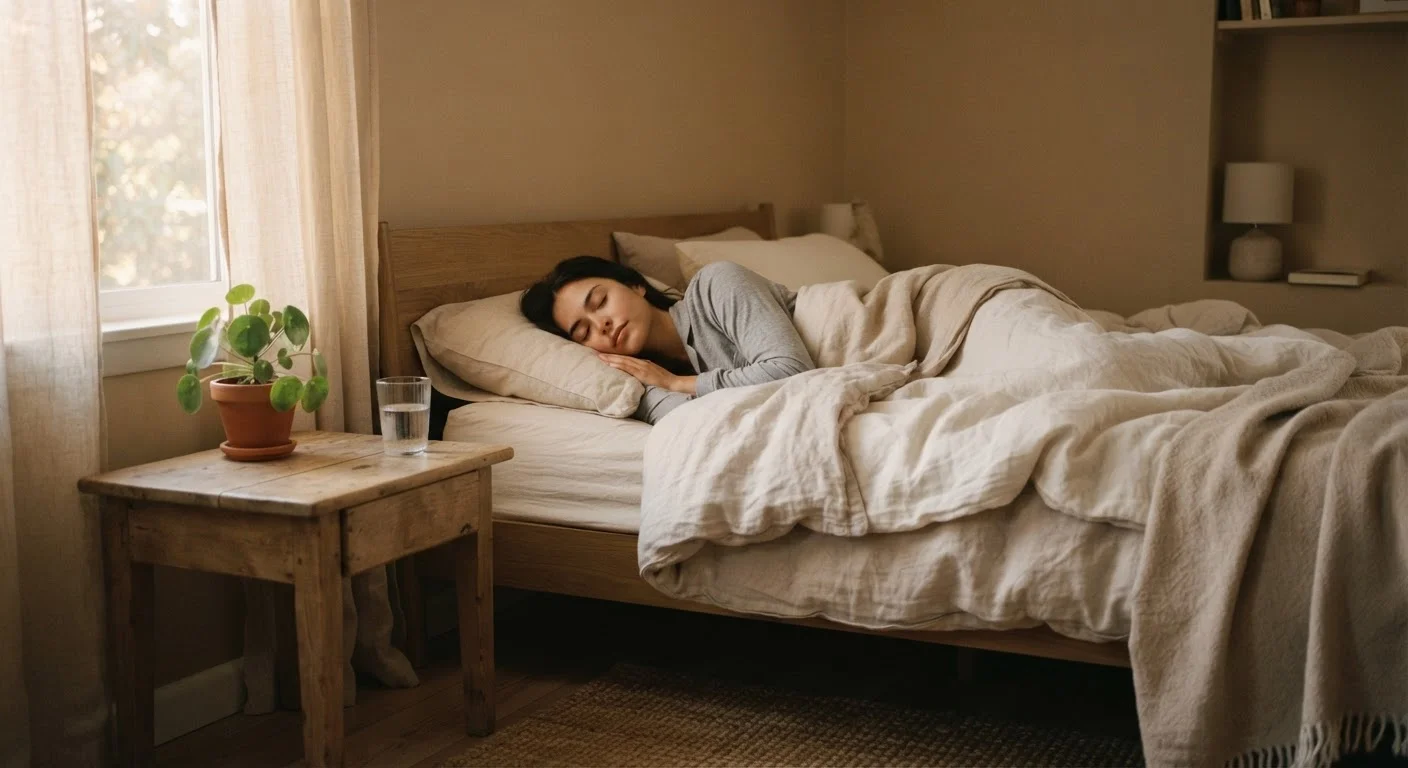
Photo credit: PrimeReads.net | Discover Insightful And Creative Blogs
In this article
How quality sleep and stress management work alongside nutrition and exercise to support immune function and reduce everyday illness risk.
Key Takeaways
- Chronic sleep deprivation measurably reduces the immune system's ability to fight infection.
- Prolonged psychological stress triggers inflammation that can impair immune defenses over time.
- Sleep, stress, nutrition, and exercise interact as a system - neglecting one undermines the others.
- Consistent, moderate lifestyle habits generally support immunity more than short-term interventions.
- Anyone managing a chronic condition or frequent illness should consult a healthcare professional for personalized guidance.
Why Sleep and Stress Are Central to Immune Health
Most conversations about illness prevention focus on nutrition and exercise - and for good reason. But sleep and stress management are equally foundational, and they're far more often neglected. Research consistently shows that these two factors directly influence how well the immune system functions, not as background variables, but as primary drivers.
During sleep, the body performs critical immune maintenance: it produces and releases cytokines (proteins that help regulate immune responses), consolidates immunological memory, and repairs cellular damage. When sleep is cut short or repeatedly disrupted, this process is interrupted. Studies have found that people who sleep fewer than six hours a night are significantly more likely to develop a cold when exposed to a virus than those who sleep seven or more hours.
Stress operates through a parallel pathway. Short-term stress can actually prime the immune system for a brief, adaptive response. But chronic psychological stress - the kind that persists week after week - elevates cortisol levels in ways that suppress immune cell activity, promote systemic inflammation, and reduce the body's ability to respond effectively to pathogens. See our evidence-informed habits for emotional resilience for practical approaches to managing daily stress.
2.94x
Higher cold risk with under 6 hours of sleep
A study published in Sleep (2015) by Cohen et al. found people sleeping fewer than 6 hours were 4.2 times more likely to catch a cold than those sleeping 7+ hours; shorter sleep was a stronger predictor than stress or other variables.
30%
Reduction in natural killer cell activity under chronic stress
Research in psychoneuroimmunology has documented meaningful declines in natural killer (NK) cell activity - a front-line immune defense - among individuals experiencing sustained psychological stress.
7+ hrs
Recommended adult sleep duration for health
The CDC and American Academy of Sleep Medicine recommend that adults aged 18-60 get at least 7 hours of sleep per night to support overall health and immune function.
The Interconnected System: Sleep, Stress, Diet, and Movement
These pillars don't operate in isolation - they reinforce or undermine each other. Poor sleep elevates stress hormones, which in turn make quality sleep harder to achieve. High stress disrupts appetite regulation, often nudging people toward energy-dense, nutrient-poor foods. Inadequate nutrition leaves the body less equipped to handle physical activity or manage stress. And insufficient movement impairs both sleep quality and stress regulation.
This interconnection is important because it means that optimizing one area amplifies gains in the others. Regular moderate exercise, for example, is one of the most effective non-pharmacological tools for improving both sleep depth and stress resilience. For a deeper look at how rest supports physical health beyond immunity, see our article on sleep, recovery, and physical health.
Understanding these connections helps shift the focus from isolated interventions to a coherent daily routine. The role of diet and physical activity in disease prevention is well-established - adding consistent sleep and stress habits to that foundation creates a genuinely robust preventive approach.
Practical Steps That Support Both Sleep and Stress Resilience
Translating this science into daily life doesn't require a dramatic overhaul. The most evidence-supported strategies are also among the most accessible:
- Prioritize sleep consistency: Going to bed and waking at the same time daily - including weekends - helps regulate the body's circadian rhythm, which governs hormone cycles and immune timing.
- Wind down deliberately: The hour before bed matters. Dimming lights, stepping back from screens, and engaging in a calming activity signals the nervous system that it's time to shift into restorative mode.
- Build stress release into the routine: Brief daily practices - such as a short walk, breathing exercises, or even a few minutes of quiet - accumulate meaningful physiological benefit over weeks and months.
- Protect sleep during high-stress periods: Stress and sleep loss tend to spiral together. Recognizing this pattern early and making sleep a non-negotiable priority during demanding periods helps break the cycle.
- Seek social support: Meaningful connection with others is one of the most reliably studied buffers against chronic stress and its immune consequences.
Start Small With Sleep Consistency
You don't need to overhaul your entire schedule overnight. Choosing a fixed wake time and sticking to it - even on weekends - is one of the highest-leverage changes you can make for sleep quality and immune health. The body's circadian system responds strongly to consistency, and this single habit can anchor the rest of your sleep routine over time.
For those interested in weaving these habits into a sustainable routine, our guide on building a preventive health routine that actually sticks covers practical strategies for making healthy behaviors durable over the long term.
The relationship between sleep and mental health also deserves attention - disrupted sleep and elevated stress often feed back into mood and emotional regulation. Our explainer on how sleep and mental health shape each other explores this cycle in detail.
This article is for general informational purposes only and is not a substitute for professional medical advice. If you have concerns about your immune health, sleep quality, or stress levels, please consult a qualified healthcare provider.
Frequently Asked Questions

Author
Health Editorial Team
Health Editorial Team is the collective byline for our editorial team and contributor network. Articles published under this byline or an editorial pen name are researched, written, and reviewed according to our editorial standards for clarity, consistency, and independence before publication.
View all articles →