
Preventive Care From Your 20s to Your 60s: A Decade-by-Decade Overview
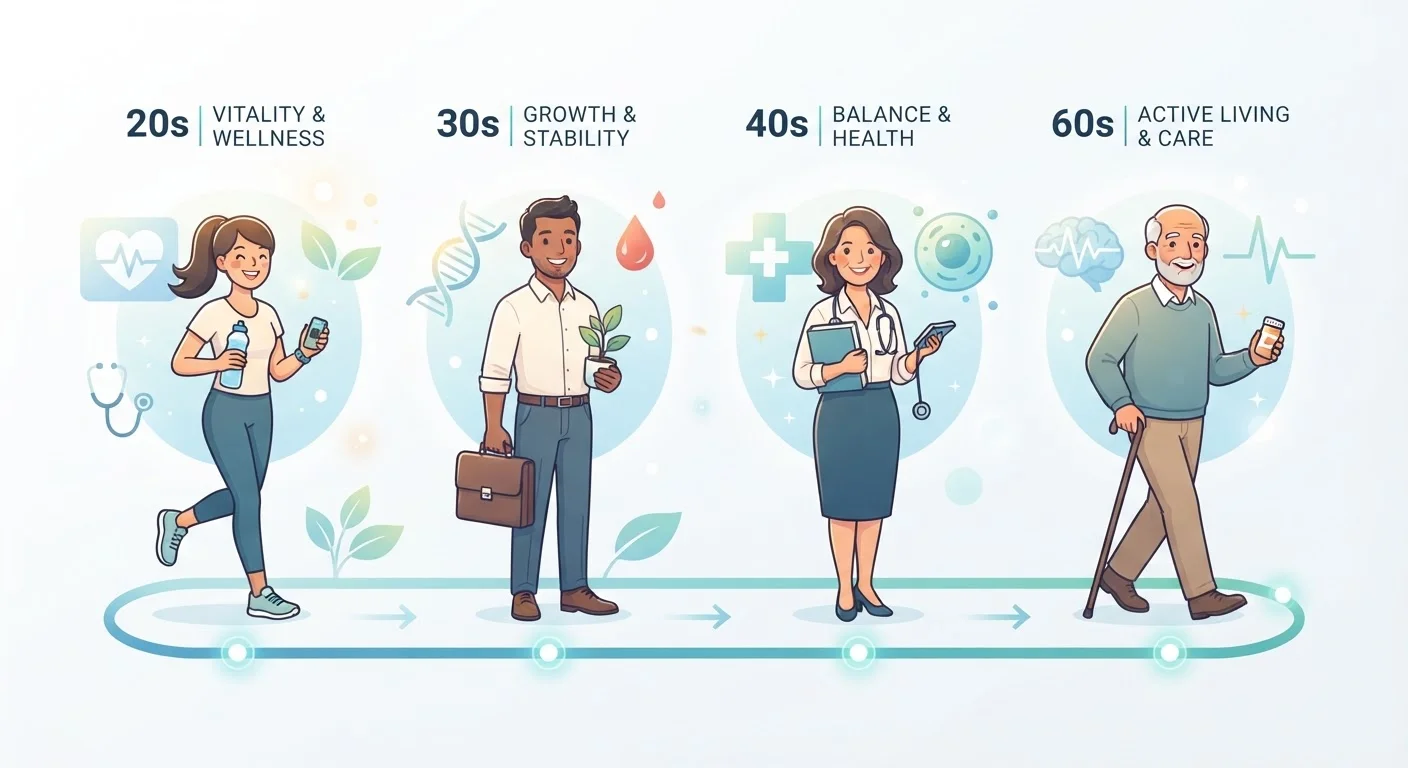
Photo credit: PrimeReads.net | Discover Insightful And Creative Blogs
In this article
How recommended screenings, vaccinations, and healthy habits shift across life stages — and what to prioritise at each decade.
Key Takeaways
- Recommended screenings and vaccinations shift meaningfully at each life decade — staying current matters.
- Many chronic diseases develop silently for years; early detection through routine checks improves outcomes.
- Lifestyle habits established in your 20s and 30s compound in health impact over later decades.
- Risk factors like family history, weight, and smoking can move screening timelines earlier than standard guidelines.
- Always discuss your personal health history with a qualified clinician to tailor any preventive schedule.
Why Preventive Care Is a Lifelong Investment
Preventive care is about intervening before illness takes hold — not just treating symptoms after they appear. Screenings, vaccinations, and health-promoting behaviors collectively reduce the risk of serious disease, often catching abnormalities when they are most treatable. The U.S. Preventive Services Task Force (USPSTF), the Centers for Disease Control and Prevention (CDC), and major professional medical societies issue age-stratified guidelines that reflect decades of epidemiological evidence.
Understanding what routine screenings involve and why timing matters is an essential first step. Preventive checks are distinct from diagnostic tests: they are performed on people who show no symptoms, specifically to detect risk or early disease. What you prioritize at 25 looks very different from what matters most at 55 — and recognizing that shift helps you stay ahead of health risks at every stage.
Your 20s: Building the Foundation
The 20s are often perceived as a decade of peak health, but they are also when foundational habits — physical activity patterns, dietary choices, sleep hygiene, and stress management — get established. These habits carry compounding effects for decades to come.
Key screenings and checks
- Blood pressure: Measured at least every two years if in normal range (under 120/80 mmHg); annually if elevated.
- Cholesterol: A baseline lipid panel is appropriate, particularly with a family history of cardiovascular disease.
- Blood glucose: Screening for prediabetes is recommended for adults who are overweight or have risk factors.
- STI testing: Sexually active adults should discuss appropriate STI screenings, including HIV, with their provider.
- Dental and vision exams: Biannual dental cleanings and periodic vision checks remain important through all decades.
Vaccinations
Adults in their 20s should ensure they are current on the HPV vaccine series (through age 26, per CDC guidance), Tdap (tetanus, diphtheria, pertussis) boosters every 10 years, and annual influenza vaccination. Meningococcal boosters may be relevant for those in college or communal living settings.
Don't wait for symptoms to schedule a wellness visit — many significant conditions, including hypertension and prediabetes, present no noticeable signs until they are well advanced.
Asymptomatic disease progression is one of the primary reasons preventive screening guidelines exist; early detection consistently outperforms reactive care in population health outcomes.
Bring a written family health history to your annual wellness appointment — it directly influences when and how frequently your provider may recommend certain screenings.
First-degree relatives with colorectal cancer, breast cancer, or early cardiovascular disease are among the factors that shift standard screening start ages downward according to major clinical guidelines.
Ask your provider specifically whether your screenings are 'preventive' or 'diagnostic' — the coding difference can affect your out-of-pocket costs under most insurance plans.
Under the Affordable Care Act, many USPSTF Grade A and B recommended preventive services are covered without cost-sharing, but this protection applies specifically to preventive — not diagnostic — visits.
Mental wellness is frequently neglected in this decade. Stress, anxiety, and early mood disorders often surface in young adulthood. See our overview of the mental wellness resources available to help you build resilience early.
Your 30s: Catching Early Warning Signs
By the 30s, family history becomes a more active part of clinical conversations. Risk factors for hypertension, type 2 diabetes, and some cancers can begin to emerge — often without noticeable symptoms. This decade is the right time to be more intentional about tracking key numbers.
Key screenings and checks
- Blood pressure and cholesterol: Continue regular monitoring; frequency depends on prior results and risk profile.
- Diabetes screening: Recommended for adults with overweight or obesity, or those with other risk factors, starting at age 35 per USPSTF guidelines.
- Thyroid function: Discuss with your provider if you experience unexplained fatigue, weight changes, or a family history of thyroid disease.
- Skin checks: An annual full-body skin exam is worth discussing with a dermatologist, especially for fair-skinned individuals or those with significant sun exposure histories.
Reproductive and family planning health
Pelvic exams and Pap smears (cervical cancer screening) are recommended every three years for most adults with a cervix aged 21–65, or every five years combined with HPV co-testing. Preconception counseling is valuable for those planning pregnancy. People with chronic conditions should also review how existing conditions affect preventive priorities with their care team.
Your 40s: Expanding Your Screening Net
The 40s mark the point at which several higher-stakes screenings enter the picture. Cardiovascular risk accumulates more visibly, and cancer screening timelines for breast and colorectal disease start or intensify for many people.
Key screenings and checks
- Mammography: The USPSTF recommends biennial screening mammograms starting at age 40 for average-risk women. Individual risk factors may prompt earlier or more frequent imaging — discuss this with your provider.
- Colorectal cancer: Screening typically begins at age 45 for average-risk adults. Options include colonoscopy, stool-based tests, and other methods; the right choice depends on risk profile and preference.
- Diabetes: Blood glucose screening every three years is standard from age 35 onward for those without prior diagnosis.
- Eye exams: Risk for glaucoma and other conditions rises; regular dilated eye exams become more important.
For men, this is also a decade to engage more actively with cardiovascular risk assessment. Our article on screenings commonly recommended for men outlines age-specific checks worth discussing with a primary care provider.
Standard Guidelines May Not Apply to Everyone
Age-based screening recommendations represent averages for people at typical risk. If you have a personal or family history of cancer, cardiovascular disease, diabetes, or other chronic conditions, your provider may recommend starting screenings earlier or repeating them more frequently. Never assume a standard guideline applies to your specific situation without discussing your individual risk profile with a clinician.
Your 50s and 60s: Higher-Stakes Prevention
Cumulative lifestyle exposure — decades of diet, activity level, sun exposure, and stress — makes the 50s and 60s a critical window for staying ahead of conditions that can significantly affect quality of life.
Key screenings and checks
- Colorectal cancer: If not already begun, colonoscopy or stool-based tests should be established. Continue through age 75 for most adults.
- Lung cancer: Annual low-dose CT (LDCT) screening is recommended by the USPSTF for adults aged 50–80 who have a significant smoking history and currently smoke or have quit within the past 15 years.
- Bone density (DEXA scan): Recommended for women at age 65; earlier for those with risk factors such as early menopause or long-term steroid use. Men with risk factors should discuss timing with their provider.
- Abdominal aortic aneurysm: A one-time ultrasound screening is recommended for men aged 65–75 who have ever smoked.
- Hearing and vision: Declines become more common; annual exams and prompt correction of changes are important.
Vaccinations in later decades
Shingles vaccine (Shingrix) is recommended for adults 50 and older, in a two-dose series. Pneumococcal vaccines are generally advised from age 65. Annual flu vaccination and COVID-19 boosters per current CDC guidance remain relevant for all adults. Nutritional needs also shift — see our guide on how nutritional priorities change across a lifetime for context on dietary adjustments that support healthy aging.
Habits That Support Every Decade
While specific screenings vary by age, a core set of health behaviors supports preventive outcomes across all life stages:
- Regular physical activity: Most guidelines recommend at least 150 minutes of moderate-intensity aerobic activity per week for adults, with muscle-strengthening activities on two or more days. Visit the physical health hub for evidence-based guidance on exercise.
- Tobacco avoidance: Smoking is a leading modifiable risk factor for lung, cardiovascular, and several other cancers. Cessation support is available through primary care providers.
- Alcohol moderation: Evidence increasingly suggests that lower alcohol intake is associated with reduced health risk; discuss individual guidance with your provider.
- Sleep hygiene: Consistently poor sleep is linked to elevated cardiovascular, metabolic, and mental health risk.
- Maintaining a primary care relationship: A longitudinal relationship with a primary care provider is the backbone of personalized preventive care. Learn what primary care, specialists, and preventive clinics each offer to make the most of each visit.
Use a structured tool to stay organized: our health screenings checklist for adults can help you track what is due and prepare for informed conversations with your care team.
This article is for general informational and educational purposes only. It is not a substitute for professional medical advice, diagnosis, or treatment. Always consult a qualified healthcare provider about screenings, vaccinations, or health decisions appropriate for your individual circumstances.

Author
Health Editorial Team
Health Editorial Team is the collective byline for our editorial team and contributor network. Articles published under this byline or an editorial pen name are researched, written, and reviewed according to our editorial standards for clarity, consistency, and independence before publication.
View all articles →